I redid my daughter’s room three times before I landed on something that actually worked, and every time the problem was the same. I kept pulling little girls’ bedroom ideas that looked adorable in a photo but turned into visual noise the second real toys and real clothes and a real kid moved in. Somewhere between the unicorn decals and the all-pink everything, the room stopped feeling like a place she’d want to grow up in.
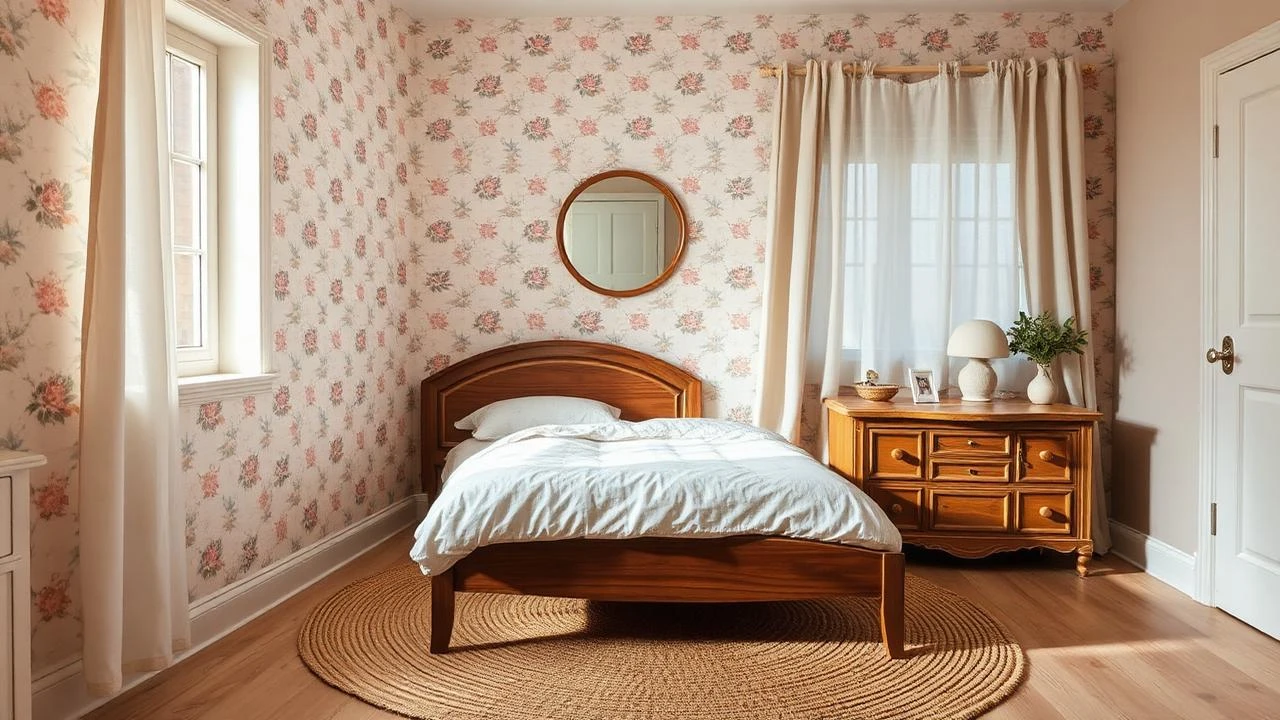
What changed things was realizing that sweet and sugary are not the same thing. The best little girls’ bedroom ideas lean on texture, warm wood, and a restrained color story instead of piling on theme after theme. A scalloped mirror, a curved walnut headboard, one good floral wallpaper instead of five competing patterns, that’s the difference between a room that photographs well for a week and one that still feels right in three years.
I tested most of what’s below in my own house or in a friend’s daughter’s room, and I priced everything using current retail listings rather than guessing. Some ideas are weekend projects you can knock out for under fifty dollars, others are bigger investments worth saving for. I’ve grouped them so you can pick based on what you’re actually changing, whether that’s the walls, the bed, the lighting, or just the clutter.
Before You Start
- Measure the room before you fall in love with a canopy bed or a reading nook idea. A lot of Pinterest-worthy layouts assume a 12×14 room minimum, and most kids’ rooms run smaller.
- If you’re renting or just not ready to commit, start with peel-and-stick wallpaper on one wall only. Rolls typically run in the $30 to $60 range and most cover 25 to 45 square feet, so measure your accent wall first to know how many you need.
- Pick your “one loud thing” before you shop. A room can handle one statement wallpaper, one bold rug, or one dramatic light fixture, but not all three without feeling chaotic.
- Buy furniture she can keep past age ten. A curved wood headboard or a neutral dresser outlasts a themed toddler bed by a decade, and it saves you from redoing the whole room again in three years.
- If she’s old enough to have opinions, let her choose one element, usually the bedding or a single wall color, and keep everything else in your control. It cuts down on negotiation later.
Color and Walls
1. Swap All-Over Pink for a Muted Floral Accent Wall
I did not expect one wall to change the whole mood of the room, but it did.
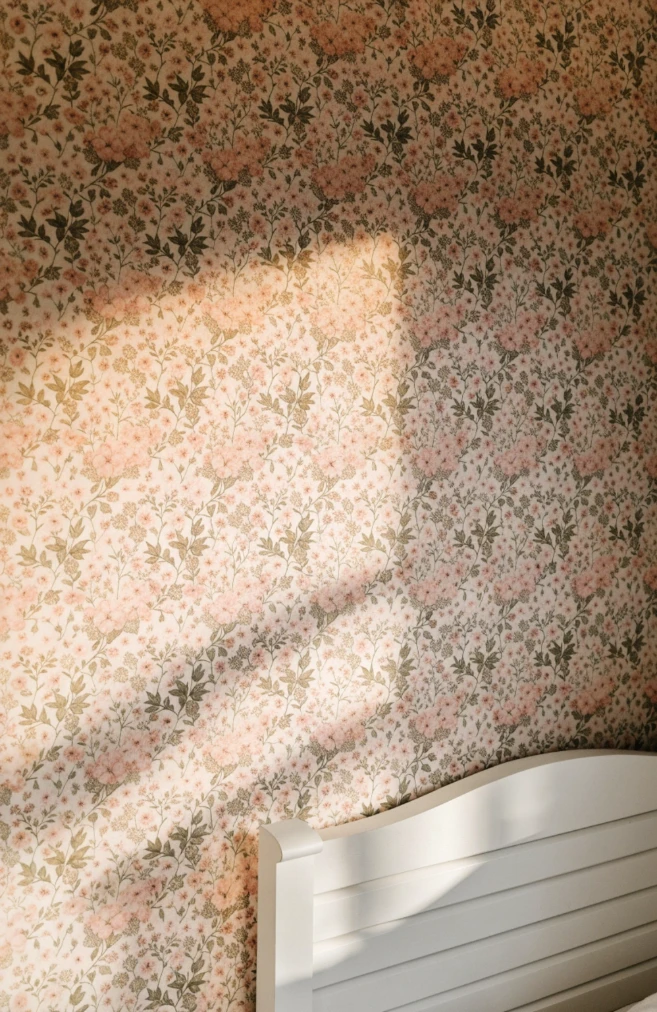
A small-scale floral peel-and-stick wallpaper in blush, sage, and cream, applied to just the headboard wall, costs somewhere between $35 and $70 for a standard roll depending on the brand, and most rooms only need two to three rolls. Skip large tropical prints, which read older and busier on a small wall.
It works because your eye lands on one intentional pattern instead of scanning a whole room of pink. The rest of the walls stay a soft off-white, which also means resale or repainting later is a much smaller job.
2. Choose a Warm Neutral Base Instead of Bright White
Bright white always looked colder than I wanted once the furniture went in.
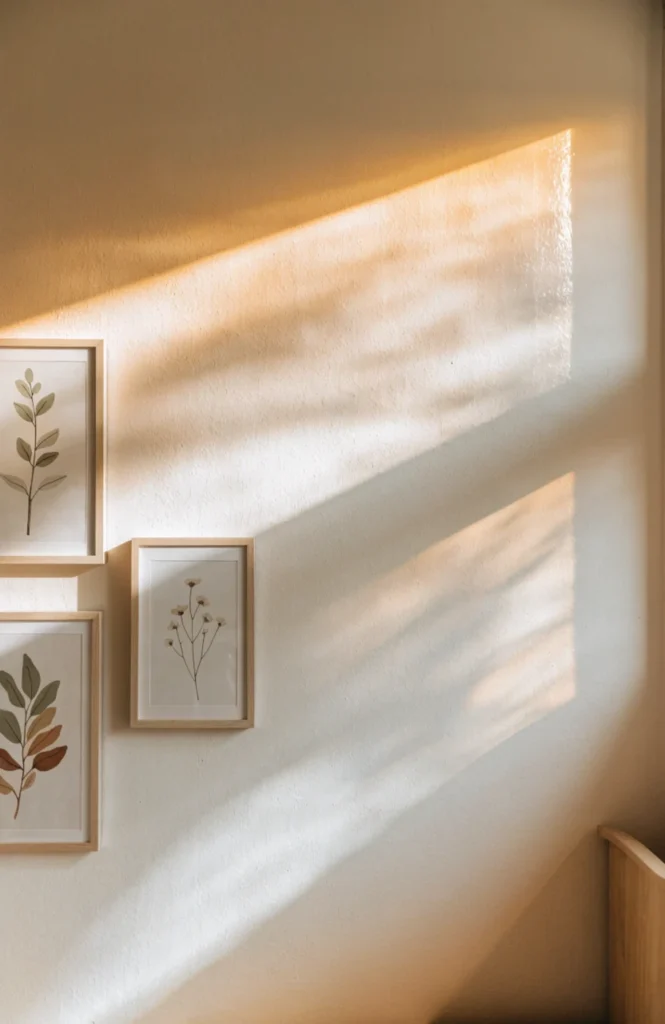
A warm off-white or soft greige base coat, something like a Benjamin Moore White Dove or Sherwin-Williams Alabaster equivalent [VERIFY exact paint code with your local retailer], runs about $40 to $60 per gallon and covers most kids’ rooms in one coat with a good primer underneath.
It works because it lets pastel bedding and wood tones read as warm rather than washed out, and it doesn’t compete with wallpaper or artwork the way stark white does under yellow lamp light at night.
3. Add Color Through a Statement Rug, Not the Walls
This was the fix for feeling like the room needed “more” without repainting again.
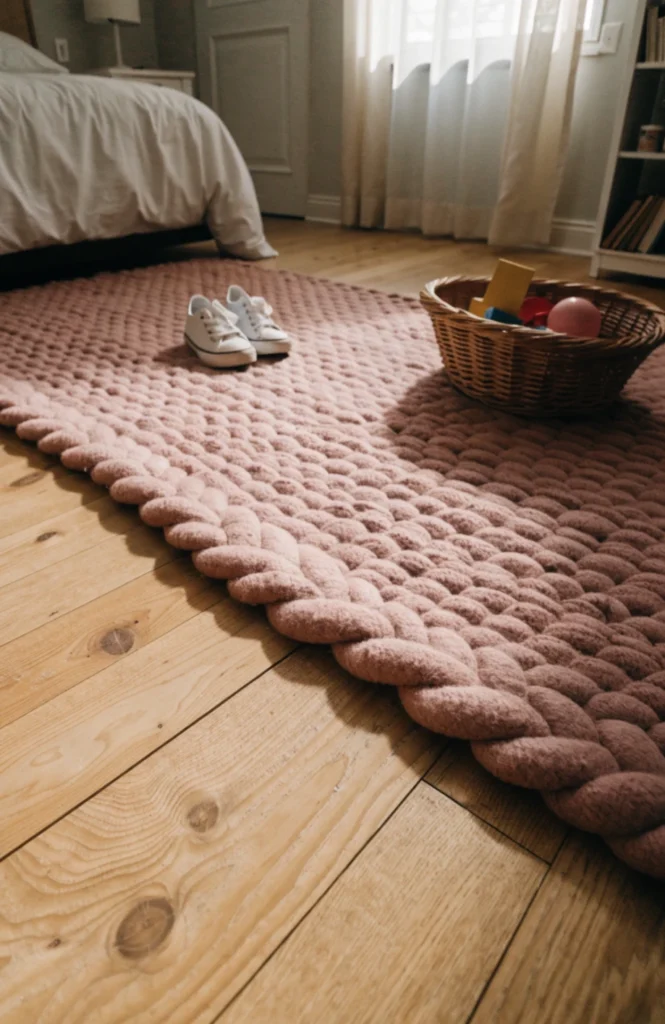
A hand-tufted or braided wool rug in a muted rose, terracotta, or dusty blue, sized around 5×7 or 8×10 depending on the room, typically costs $150 to $400 from mid-range retailers. Layer it over a light wood or light carpet base so the color reads as grounding rather than overwhelming.
It works because rugs are the easiest element to swap out as taste changes, unlike paint or wallpaper, and a textured rug adds warmth underfoot that a themed rug with a printed cartoon character simply can’t match.
4. Use a Scalloped or Arched Detail Instead of a Theme
I kept trying to pick a “theme” until I realized shape does more work than subject matter.
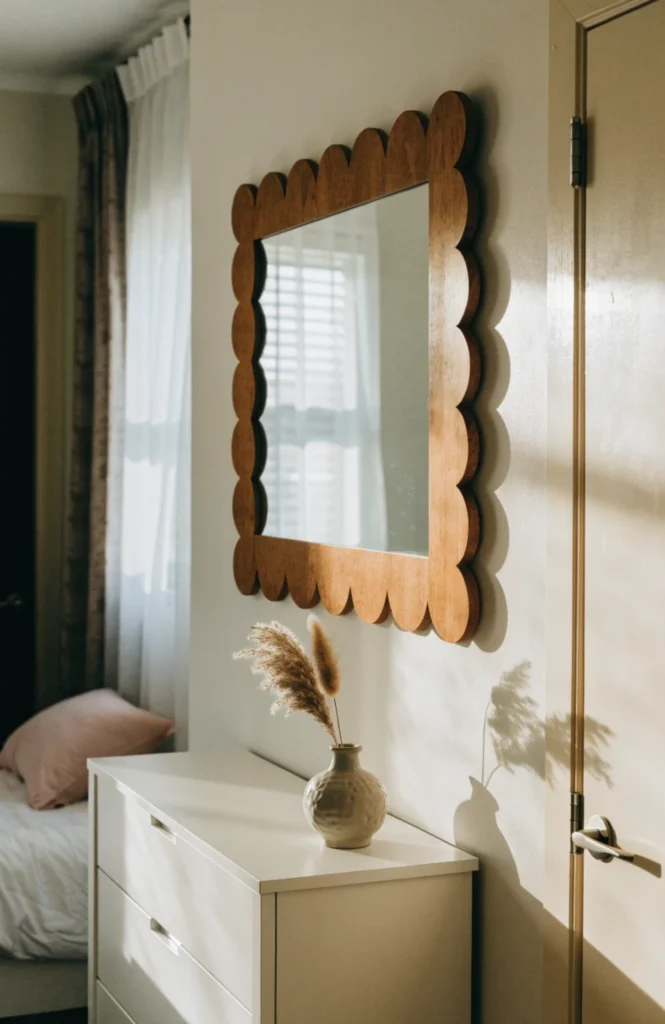
A scalloped wall mirror, an arched bookshelf, or a curved headboard introduces a soft, storybook feel without needing a single castle or unicorn in sight. These pieces run from about $80 for a scalloped mirror up to $400 to $600 for a solid wood curved headboard.
It works because the softness reads as playful and gentle on its own, no props required, and it ages with her instead of needing to be swapped out once she outgrows a specific character or theme.
Bed and Layout
5. Choose a Curved Walnut or Espresso Headboard
The wood tone did more for the “grown but still sweet” balance than anything else I tried.
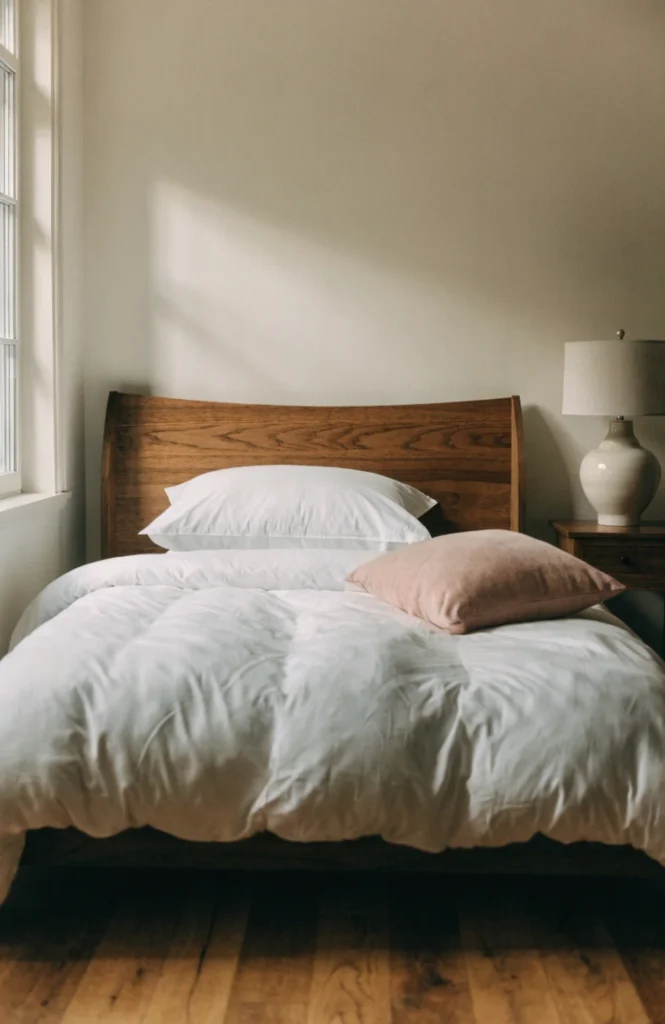
A solid or engineered wood curved headboard in walnut or espresso finish for a twin or full bed generally runs $250 to $550 depending on brand and whether it’s upholstered along the frame edge. Pair it with plain white or cream bedding to let the wood tone lead.
It works because dark warm wood grounds a pastel room instantly, keeping it from tipping into an all-pastel, all-soft look that can start to feel a little flat after the first season.
6. Add a Window Seat or Bench Nook
The reading nook is the one thing my daughter actually uses every single day.
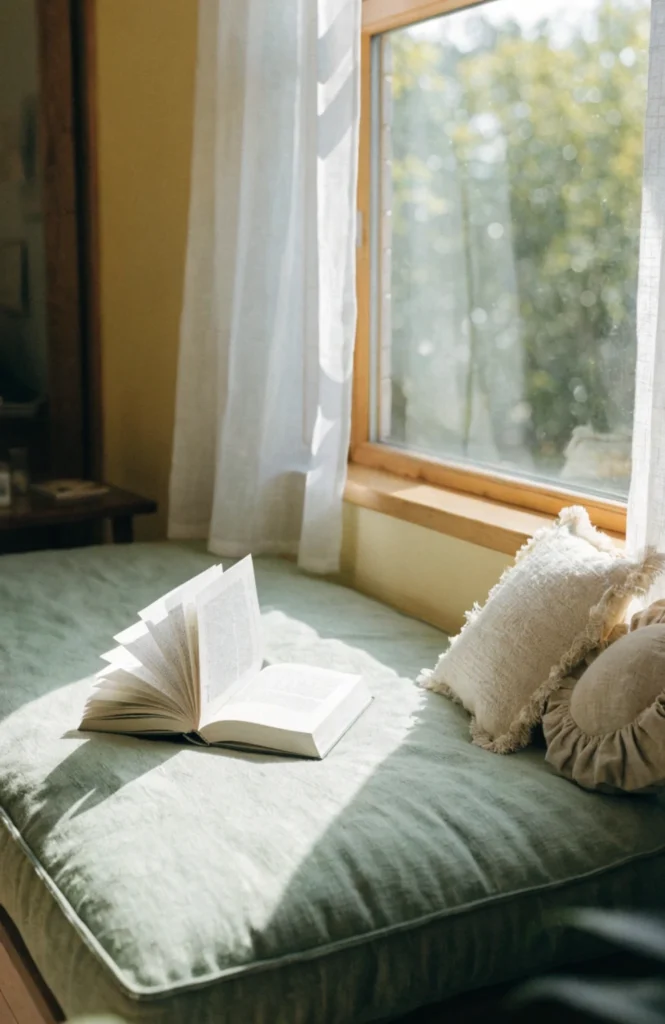
A built-in or freestanding window bench with a cushioned top, sized to fit a standard window bay, ranges from a DIY plywood-and-foam build for under $150 to a professionally built-in version closer to $800 to $1,500. A simple freestanding daybed bench with storage underneath is a solid middle option around $200 to $400.
It works because it gives her a second “zone” in the room besides the bed, which matters more than people expect in a smaller space, and storage underneath solves the stuffed animal overflow problem at the same time.
7. Float the Bed Away From a Corner for Symmetry
Centering the bed instead of jamming it in a corner made the whole room feel intentional instead of leftover.
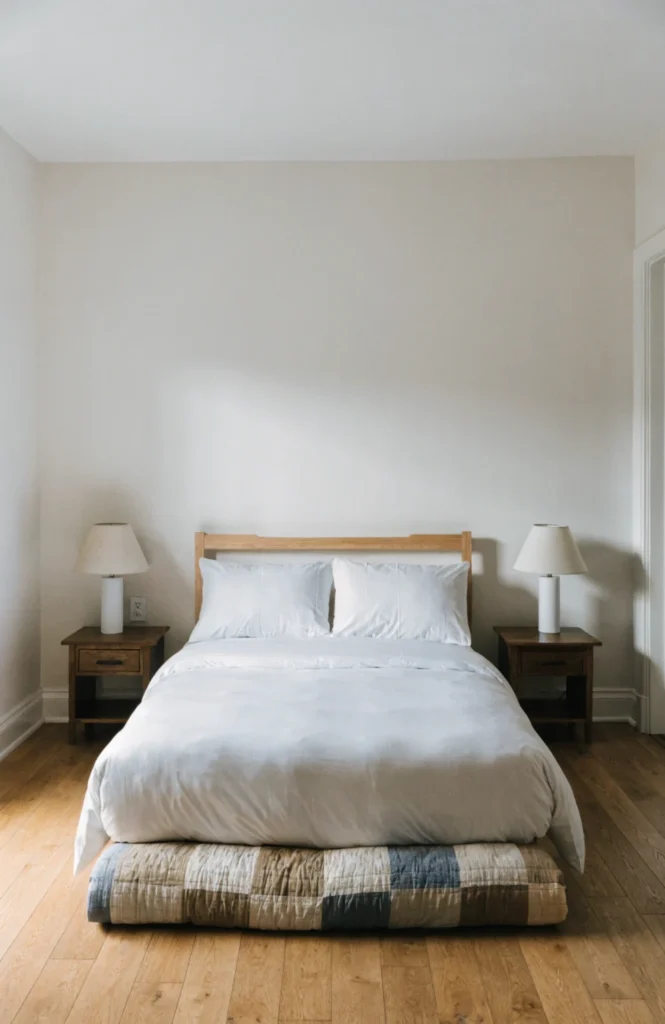
Center the headboard on the longest uninterrupted wall, then flank it with two matching nightstands, even small ones under $60 each, rather than one nightstand and an empty gap. This works in rooms as small as 10×10 as long as you leave at least 24 inches of walking space on each side.
It works because symmetry reads as calm and considered, and it’s the exact styling move professional designers lean on to make a modest-sized room photograph and feel larger than it is.
8. Use a Canopy Frame Without the Full Drape
A canopy without yards of fabric still gets that dreamy effect without swallowing the room.
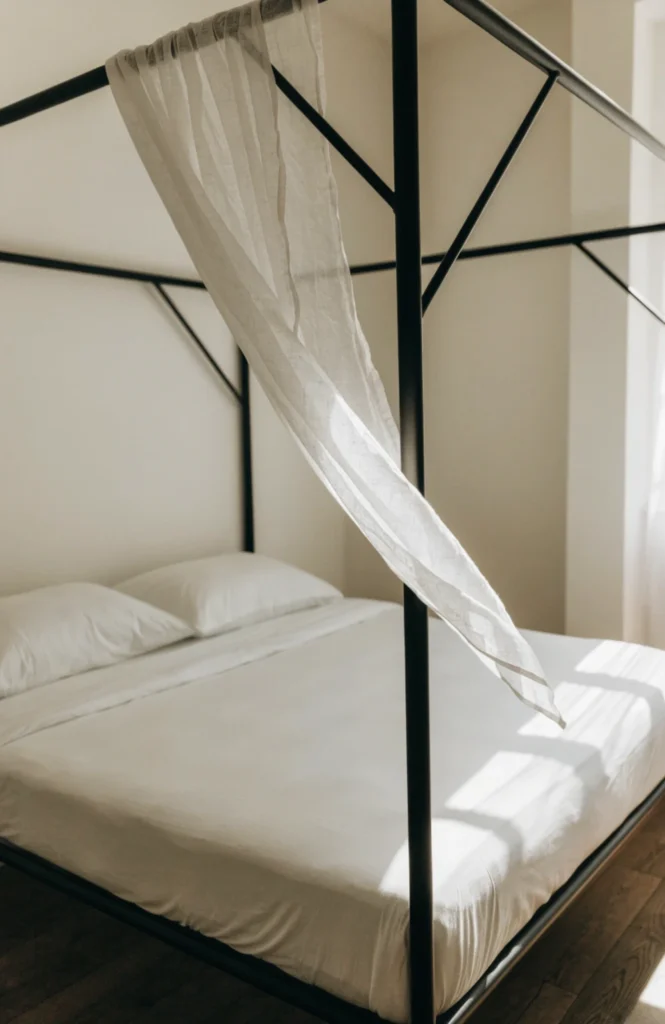
A simple metal or wood canopy bed frame, left bare or dressed with just a light gauze panel on one or two sides rather than fully enclosed, costs about $180 to $400 for a twin size frame. Skip the four-sided heavy drape, which can make a small room feel closed in and collects dust.
It works because it gives that fairy-tale silhouette everyone associates with little girls’ rooms while staying airy enough to still feel like a real bedroom, not a stage set.
Lighting
9. Layer Three Light Sources Instead of One Overhead Fixture
The overhead light alone made everything feel flat and a little clinical at night.
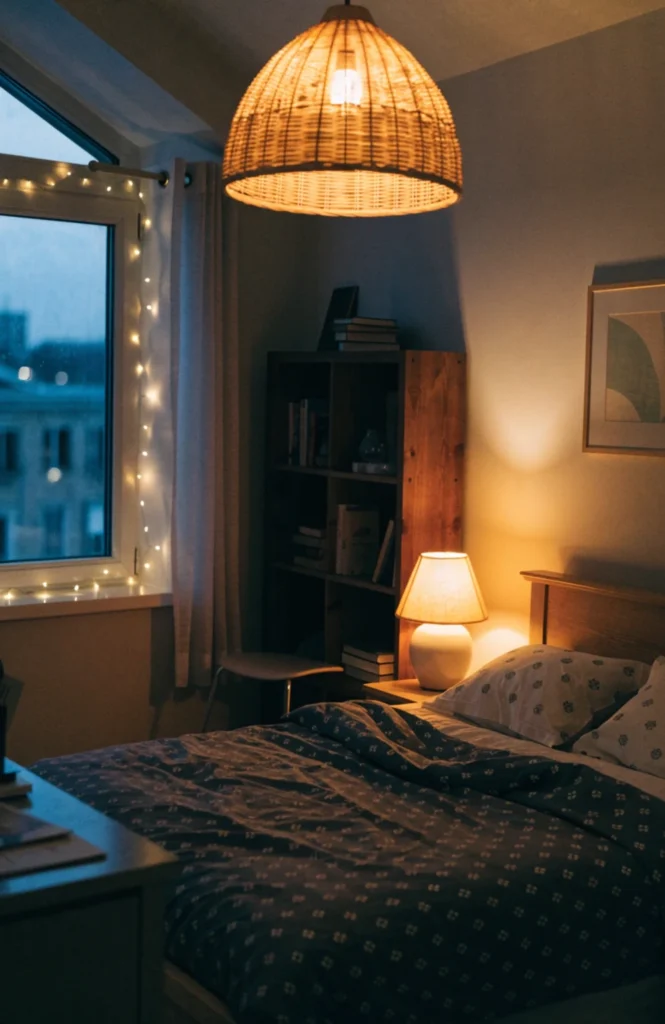
Combine a statement ceiling fixture (a simple fluted glass or woven rattan pendant, $60 to $150), a bedside lamp, and a plug-in wall sconce or fairy light strand near a reading corner. Total layered lighting typically runs $150 to $300 across all three pieces.
It works because a single overhead light creates harsh shadows and one flat mood, while layered lighting lets the room shift from bright and functional during the day to soft and calm at bedtime.
10. Try a Mushroom-Shaped Lamp Instead of a Character Lamp
This small swap got more compliments than almost anything else in the room.
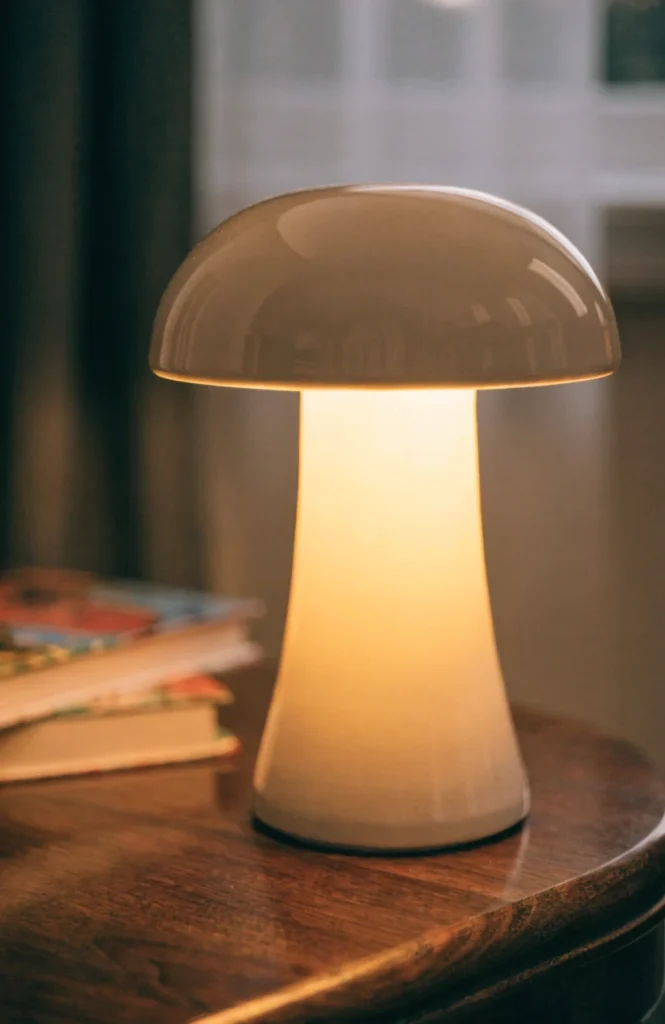
A ceramic or glass mushroom-shaped table lamp, widely available in the $35 to $90 range depending on size and finish, gives a room a storybook charm without featuring any licensed character that she’ll outgrow within a year or two.
It works because the shape alone reads as whimsical and gentle, and unlike a themed character lamp, it fits just as well when she’s twelve as it does now.
11. Add Dimmers to Every Fixture in the Room
This is the least glamorous idea on this list and possibly the most useful one.
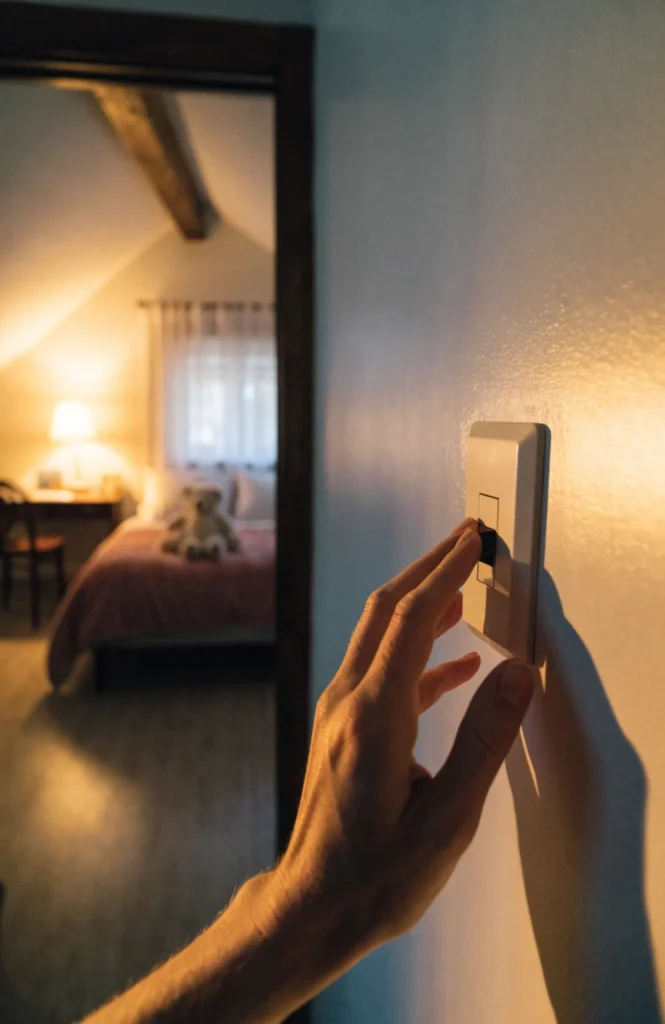
Swapping standard switches for dimmer switches costs around $15 to $30 per switch plus installation if you’re not doing it yourself, or you can use plug-in dimmable smart bulbs for $10 to $20 each with zero rewiring required.
It works because bedtime lighting and playtime lighting are two completely different needs, and a dimmer lets one fixture do both jobs instead of buying and installing separate lamps for each mood.
Storage and Organization
12. Use Woven Baskets Instead of Plastic Bins
Swapping plastic bins for woven ones was the fastest visual upgrade I made, and it took twenty minutes.
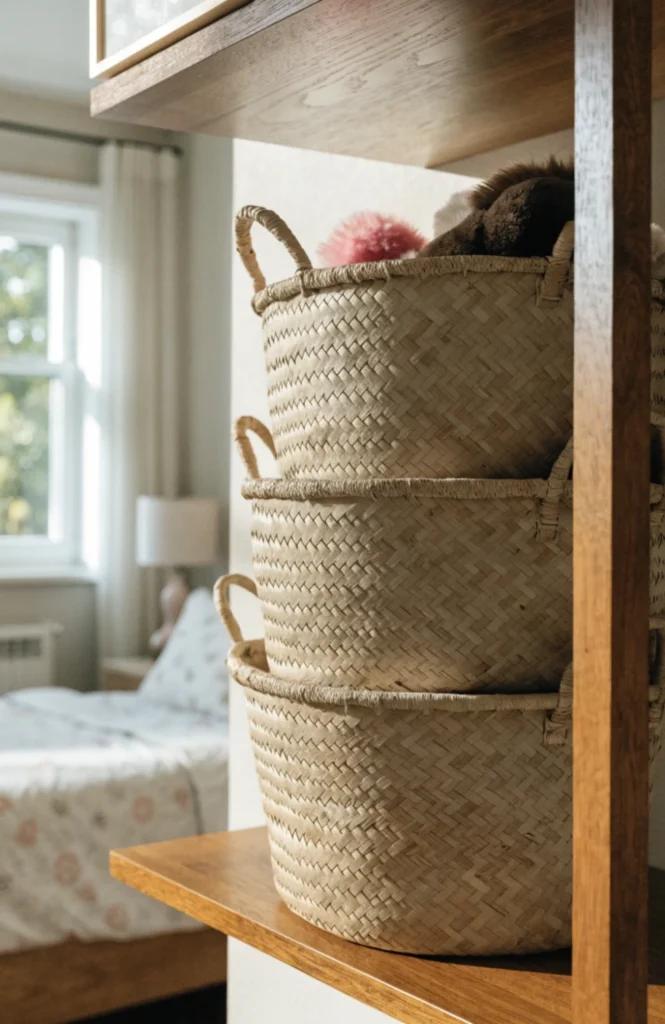
Seagrass or water hyacinth woven baskets in stackable sizes run about $15 to $45 each depending on size, and two to three placed under a bench or on open shelving handle most toy and stuffed animal overflow.
It works because woven texture reads as intentional decor even when it’s doing the exact same job as a plastic bin, and it hides clutter without adding visual noise the way clear or brightly colored bins do.
13. Install a Low, Open Bookshelf at Her Height
Books she can actually reach get read a lot more than books stacked on a high shelf.
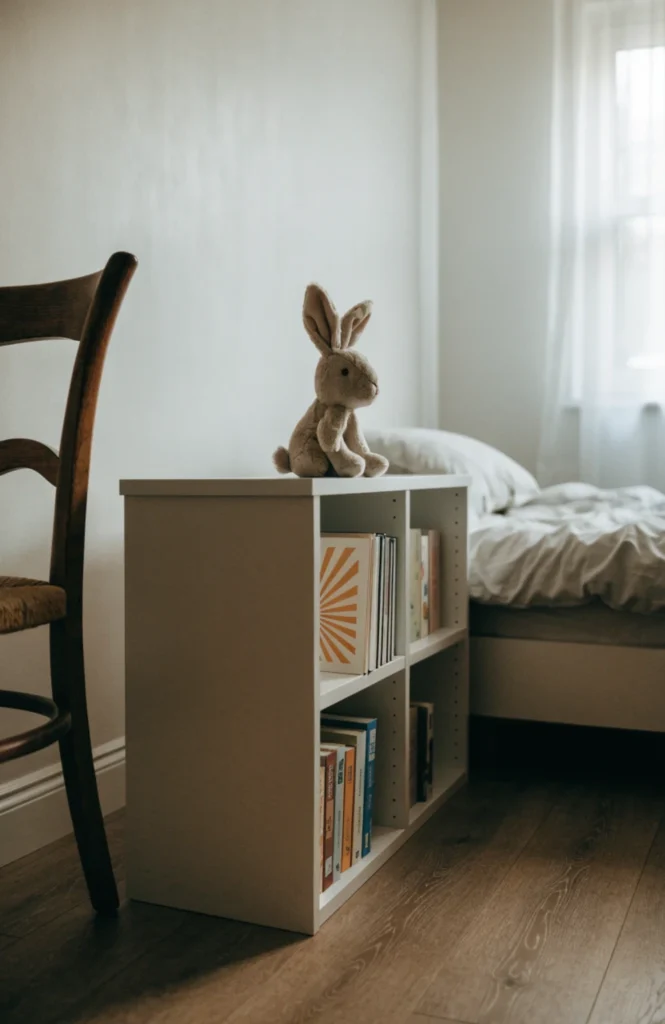
A low open bookshelf, around 24 to 36 inches tall in a light wood or painted white finish, typically costs $80 to $200 depending on size and material. Face-out shelving for a handful of favorite covers works especially well for younger kids who choose books by their spines less easily.
It works because it puts independence within reach literally, and it turns a stack of books into a small styled moment instead of clutter on the floor.
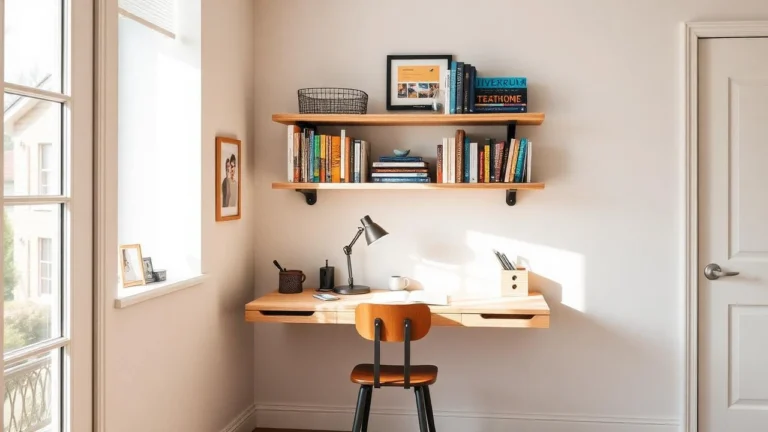
14. Give Her a Small Vanity or Desk Nook, Not Just a Toy Corner
This became her favorite spot in the room almost immediately, more than the bed even.
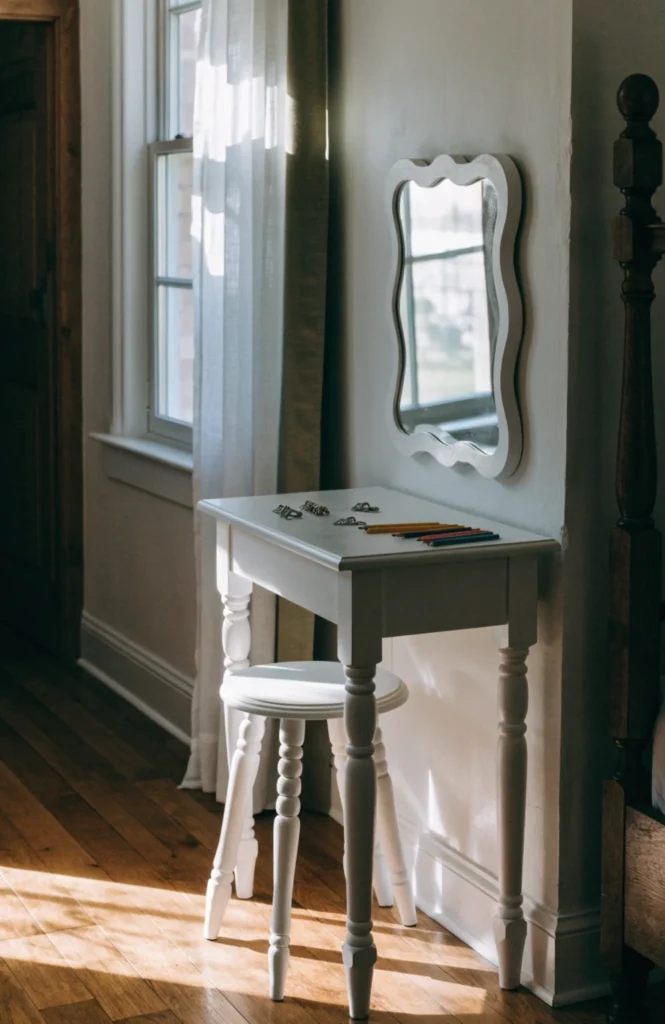
A compact vanity or small desk with a stool, sized to fit even a narrow wall of 24 to 30 inches, costs about $100 to $250 for the desk and stool combined. Add a small scalloped mirror above it to tie in with other softened shapes in the room.
It works because it gives her a defined “hers” space for drawing, hair accessories, or homework later, and it takes pressure off the bed being the only functional surface in the room.
15. Add a Wall-Mounted Clothing Rack for Everyday Outfits
This solved the daily “what do I wear” meltdown better than any closet reorganization did.
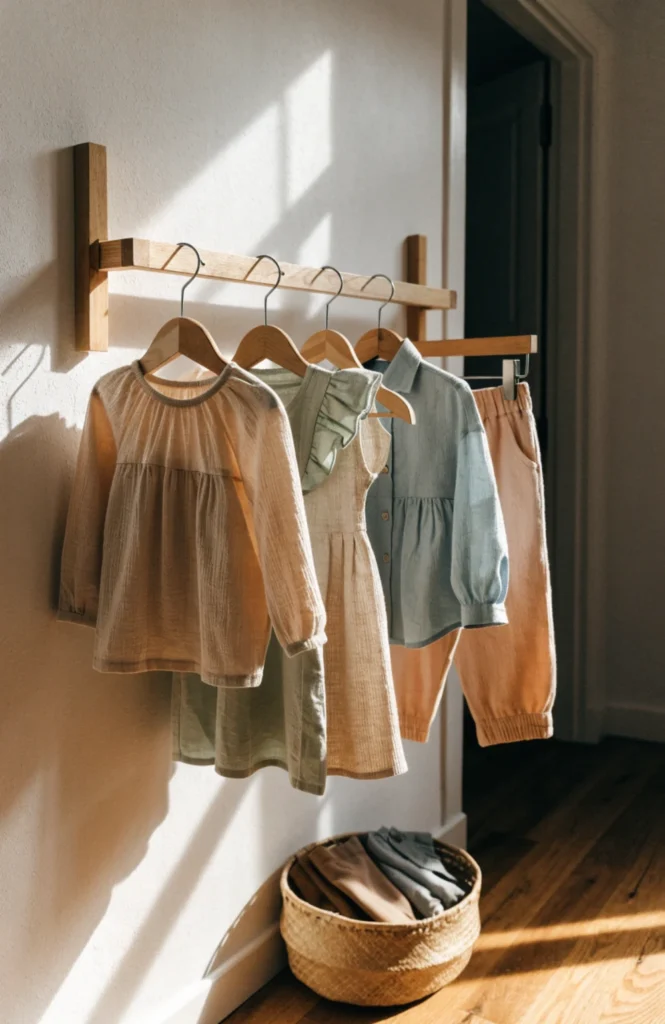
A simple wall-mounted wood or brass clothing rack, roughly 24 to 36 inches wide, costs $25 to $60, and holding just five to seven outfit options at a time keeps it from turning into overflow storage.
It works because it puts decision-making within her control, and visually a few hanging outfits on a simple rack reads as styled rather than messy, unlike an overstuffed closet door left open.
Personal Touches and Finishing Details
16. Build a Gallery Wall of Her Own Art, Framed Properly
Framing her actual drawings instead of buying wall art was the cheapest and most personal upgrade on this whole list.
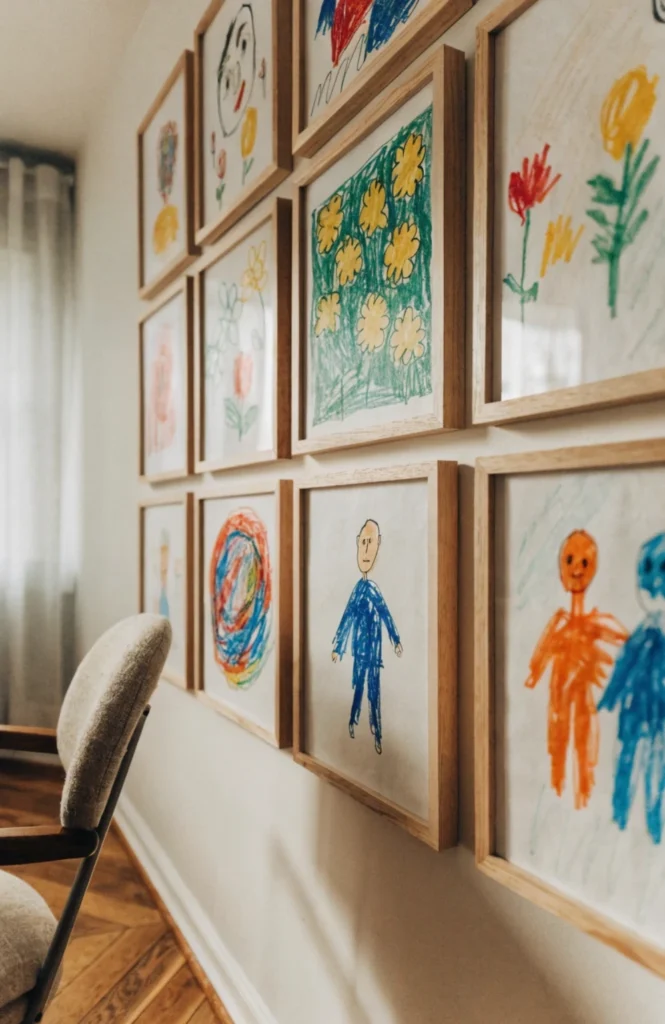
Simple matching frames in a light wood or white finish run about $10 to $20 each, and a grid of six to nine frames arranged in a loose, evenly spaced grid gives even a five-year-old’s scribbles a gallery-worthy presentation.
It works because it makes the room feel unmistakably hers rather than a showroom, and unlike printed art, it changes as she grows, so the wall stays current without needing a redo.
17. Choose One Meaningful Stuffed Animal Display Instead of a Pile
The pile of stuffed animals on the bed was the single biggest source of visual clutter before this fix.
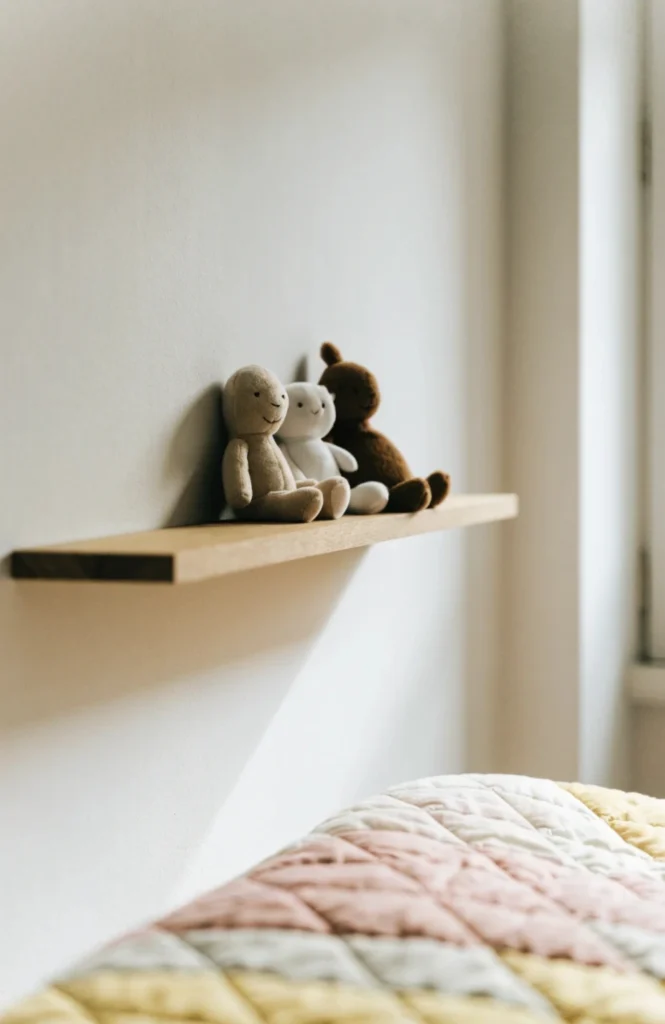
A small wall-mounted shelf or a single woven basket displaying just three to five favorite stuffed animals, rather than the full collection, keeps the rest tucked away in a closet bin for rotation.
It works because a curated few reads as cozy and personal, while a mountain of them on the bed reads as chaos no matter how nice the bedding underneath is.
18. Add Texture Through Layered Textiles, Not Pattern
Texture did the visual work that pattern used to do, without the busyness.
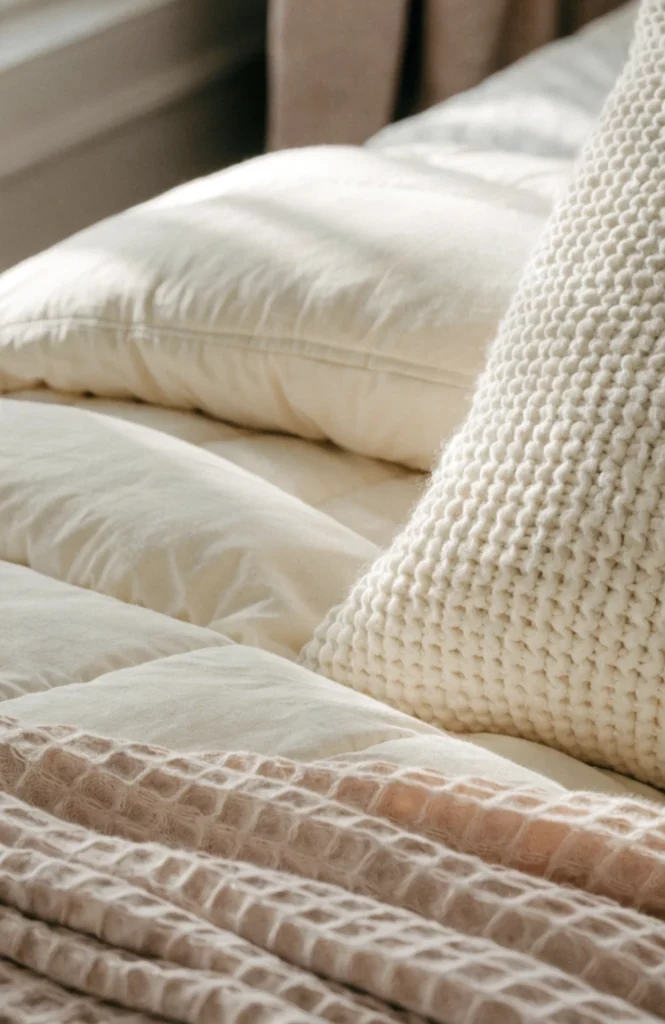
Layer a waffle-knit throw, a chunky knit pillow, and a smooth cotton quilt together in close, muted tones rather than mixing several bold prints. A full layered bedding set like this typically costs $80 to $180 across the quilt, pillow, and throw combined.
It works because texture reads as cozy and sophisticated at any age, and it sidesteps the risk of prints clashing or looking dated the way a themed comforter set can within a year or two.
19. Use a Single Bold Botanical or Nature Print as the Statement Art
One good print did more for the room than five smaller ones scattered around.
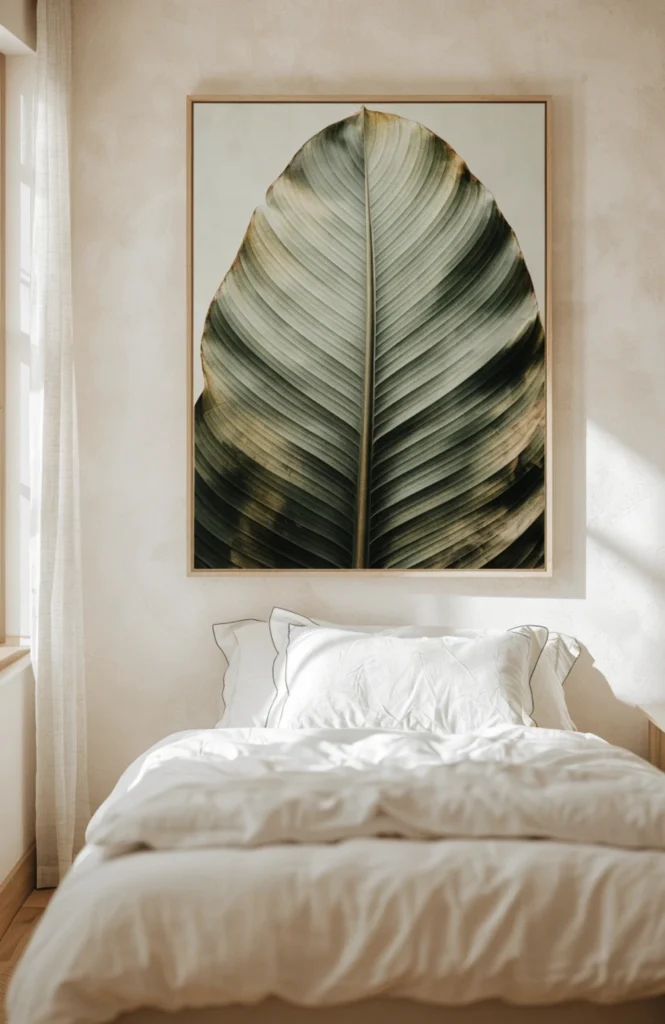
A large-scale botanical or nature print, around 24×36 inches, framed simply in black or light wood, costs $50 to $150 depending on the print source and frame quality. Hang it centered above the bed or on the main visible wall from the doorway.
It works because it gives the eye one clear focal point immediately on entering the room, and nature prints in particular age well without reading as babyish the way character art does.
Image prompt: Horizontal shot of a large framed botanical leaf print hung centered above a bed with white and cream bedding, soft natural daylight, minimal styling on either side, realistic interior photography, no text overlay.
20. Add One Whimsical but Grown-Up Detail, Like a Swan or Bird Motif
This was the detail that made guests ask where we found it.
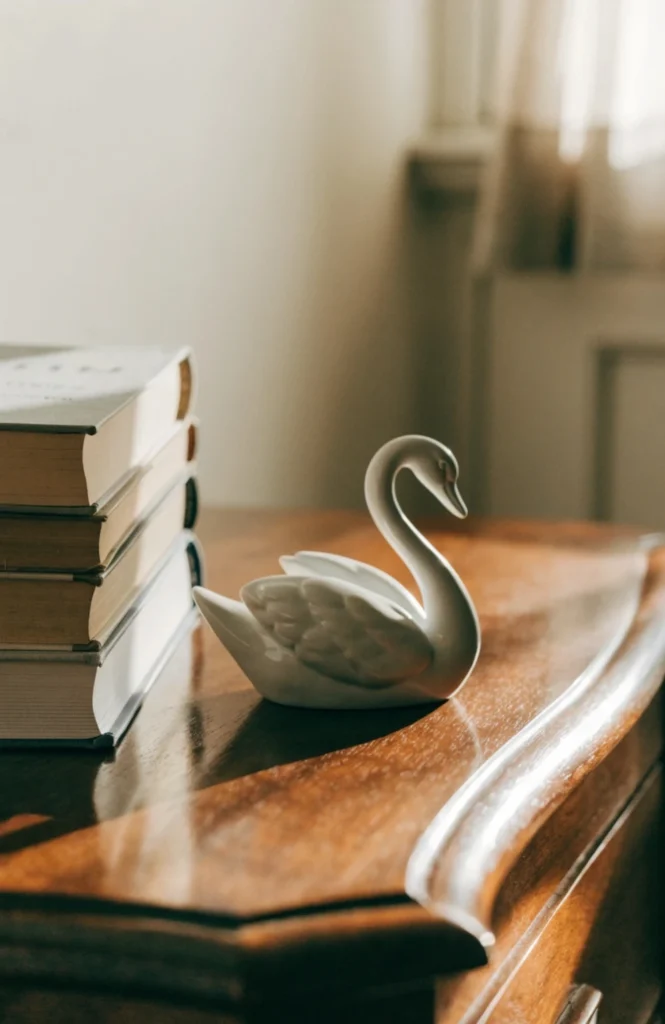
A small decor accent like a ceramic swan bookend, a bird-shaped hook, or a subtle bird-print throw pillow costs $15 to $50 and works best placed as a single accent rather than repeated throughout the room.
It works because one well-placed whimsical detail carries the “little girl” charm without needing a full theme built around it, and it’s the easiest single piece to swap out later if her taste shifts.
Conclusion
If I had to pick where to start, I’d start with the wall and the bed, because those two set the tone before anything else in the room even matters. Get the headboard wood tone and one restrained wallpaper or paint color right, and the smaller ideas on this list, the lamp, the baskets, the gallery wall, all click into place around it instead of fighting for attention. Everything else here is genuinely optional and can be added in over months, but pick one idea from each group before you call the room finished, and you’ll end up with something that still feels like her in three years, not just this season.