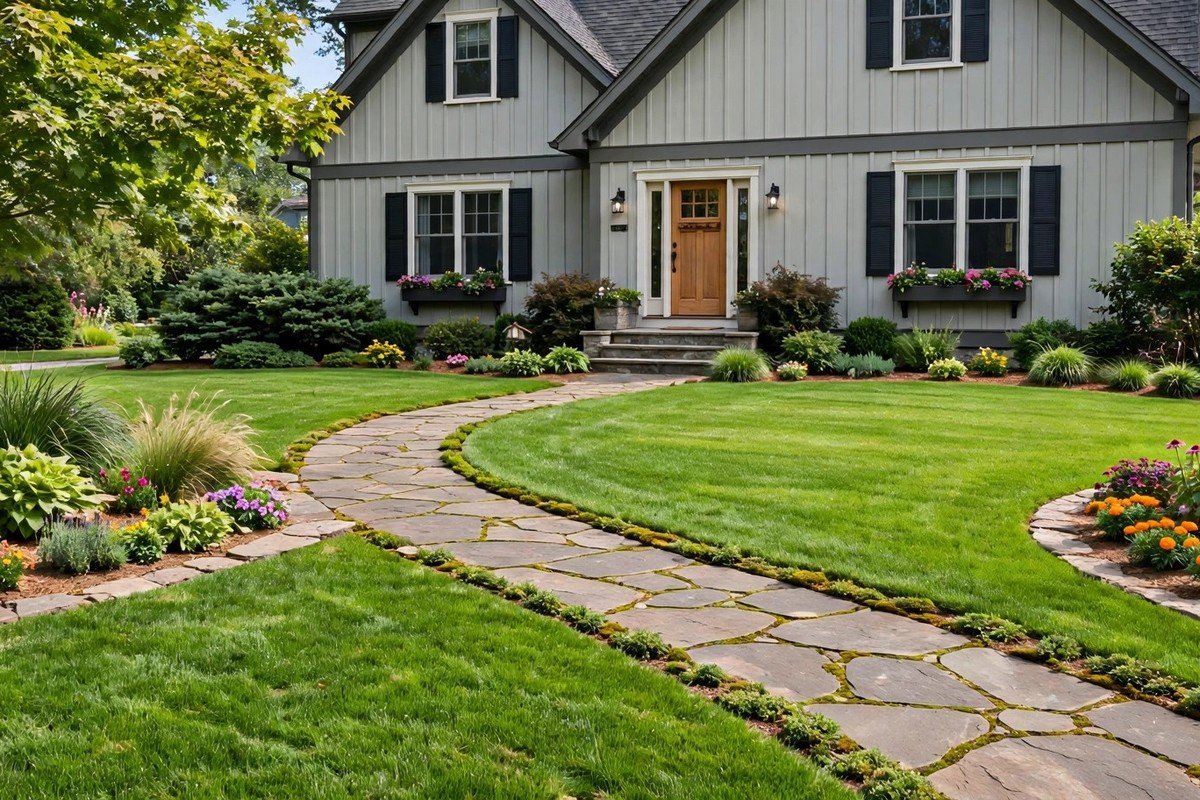
A front yard is the first part of your home that people see. A neat lawn, a clear path, and healthy plants can make a plain house look cared for and welcoming, and you do not need a big budget to get that result.
This guide gives you 27 front yard landscaping ideas for small yards and large yards. The focus stays on the front of the house only, the lawn, the beds, the path, and the plants near the street and the front door. For a different area, see our side of house landscaping ideas for the narrow strip beside the house, and our driveway landscape ideas for the drive itself.
Quick Picks
- Start with the edges. A clean edge between lawn and bed makes the whole yard look tidy in one afternoon.
- Fix the path first. A clear, safe path to the front door matters more than a rare plant.
- Layer plants by height. Tall plants at the back, mid plants in the middle, and low plants at the front give a bed depth.
- Keep some green all year. Evergreen shrubs stop the yard from looking bare in winter.
- Add light at night. A few path lights make the front yard safe and warm after dark.
Did You Know?
Most people judge a house from the street in a few seconds. They notice the lawn edge, the path, and the plants near the door before they notice small details. That is why simple, neat work near the front often beats a costly plant that sits far from view.
Before You Start
- Watch your yard for one day. Note where the sun falls, and where water pools after rain.
- Check local rules before you plant near the street. Some towns limit plant height near the curb.
- Call before you dig, so you do not hit a cable or a pipe.
- Measure the path and the beds. A path that is too narrow feels cramped, and a bed that is too wide is hard to weed.
- Start with one bed or one path section, finish it, then move on.
Lawns and Beds
1. Cut a Clean Edge Between Lawn and Bed
A sharp edge is the fastest way to make a front yard look cared for. It stops grass from creeping into the bed, and it gives the lawn a clear shape.
Pro tip: Cut a trench 3 to 4 inches deep with a flat spade, and re cut the edge once a month. A half moon edger costs about 20 to 35 dollars.
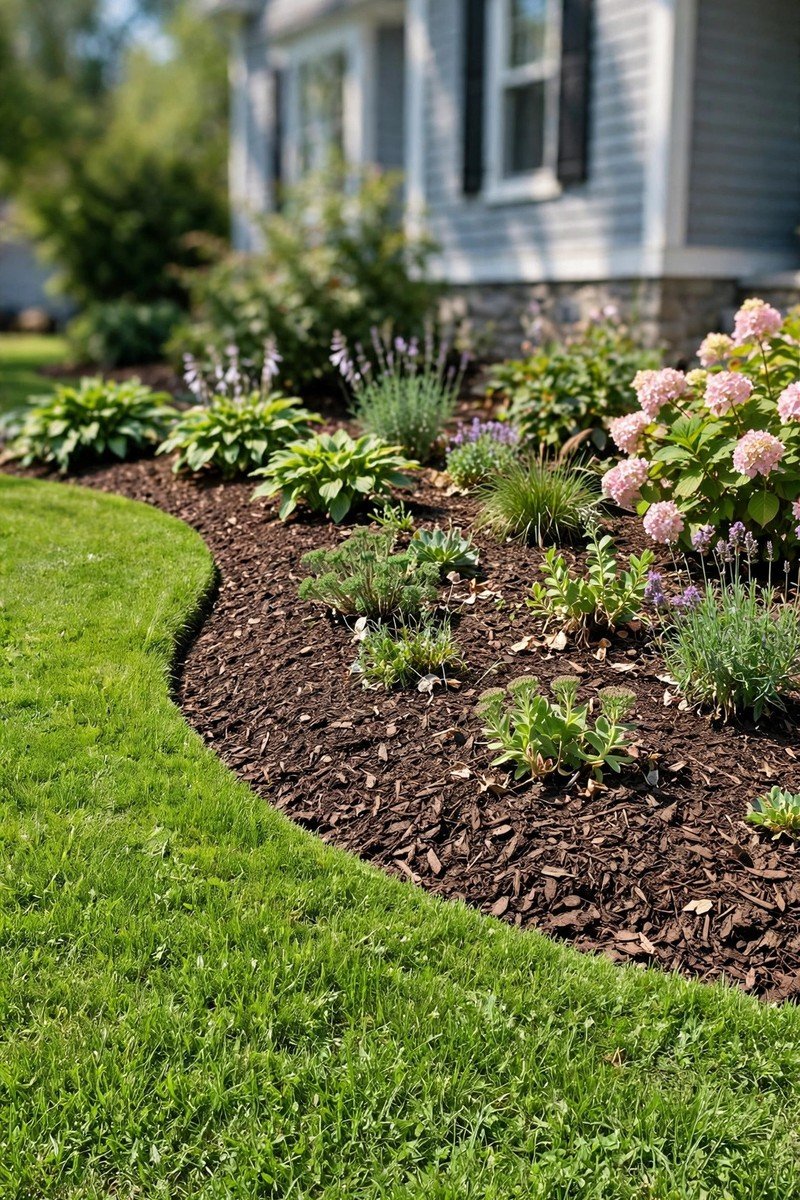
2. Shape Beds in Gentle Curves
Straight beds can look stiff, and they can make a small yard feel boxed in. A gentle curve softens the front of the house and makes the yard feel larger.
Pro tip: Lay a garden hose on the grass to test the curve before you dig, and keep bed depth under 5 feet so you can reach the middle to weed.

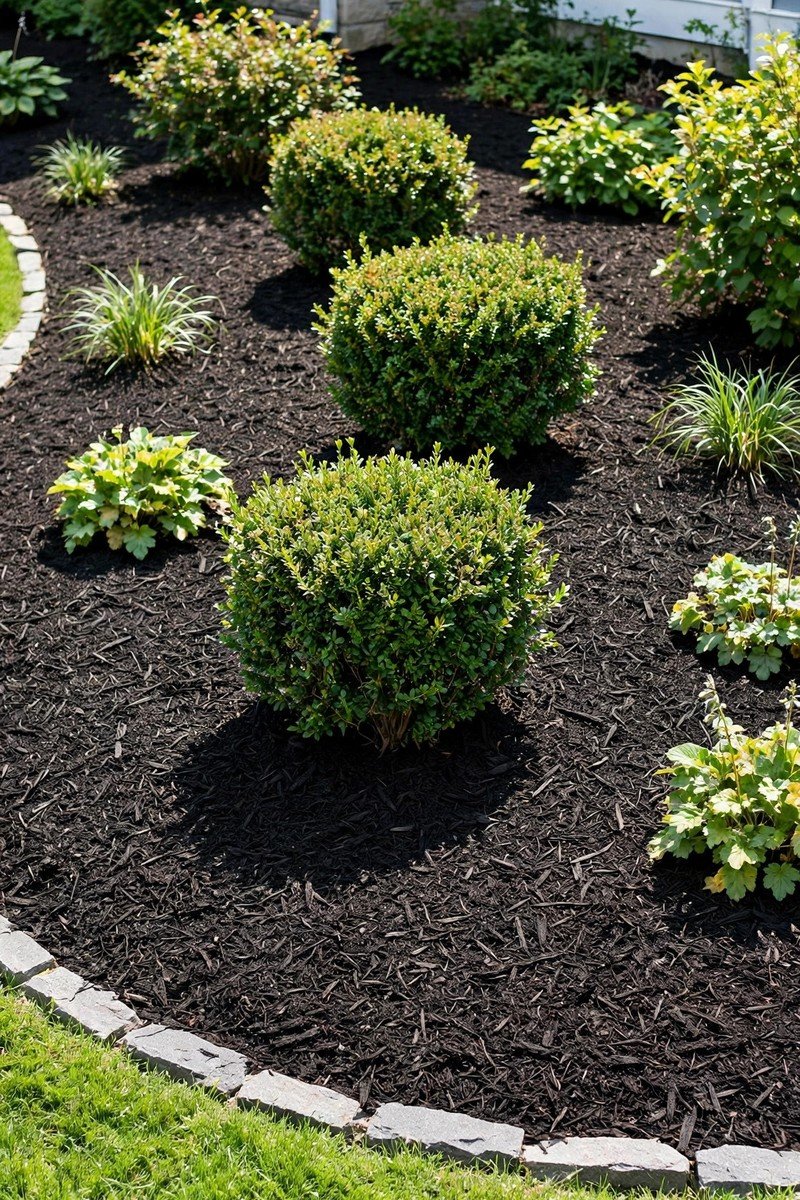
3. Refresh Mulch in a Dark, Even Layer
Old, thin mulch makes beds look tired even when plants are healthy. Fresh mulch covers bare soil, holds water in the ground, and keeps weeds down.
Pro tip: Spread mulch 2 to 3 inches deep, keep it 3 inches from stems, and plan on 8 to 9 bags for a 100 square foot bed.
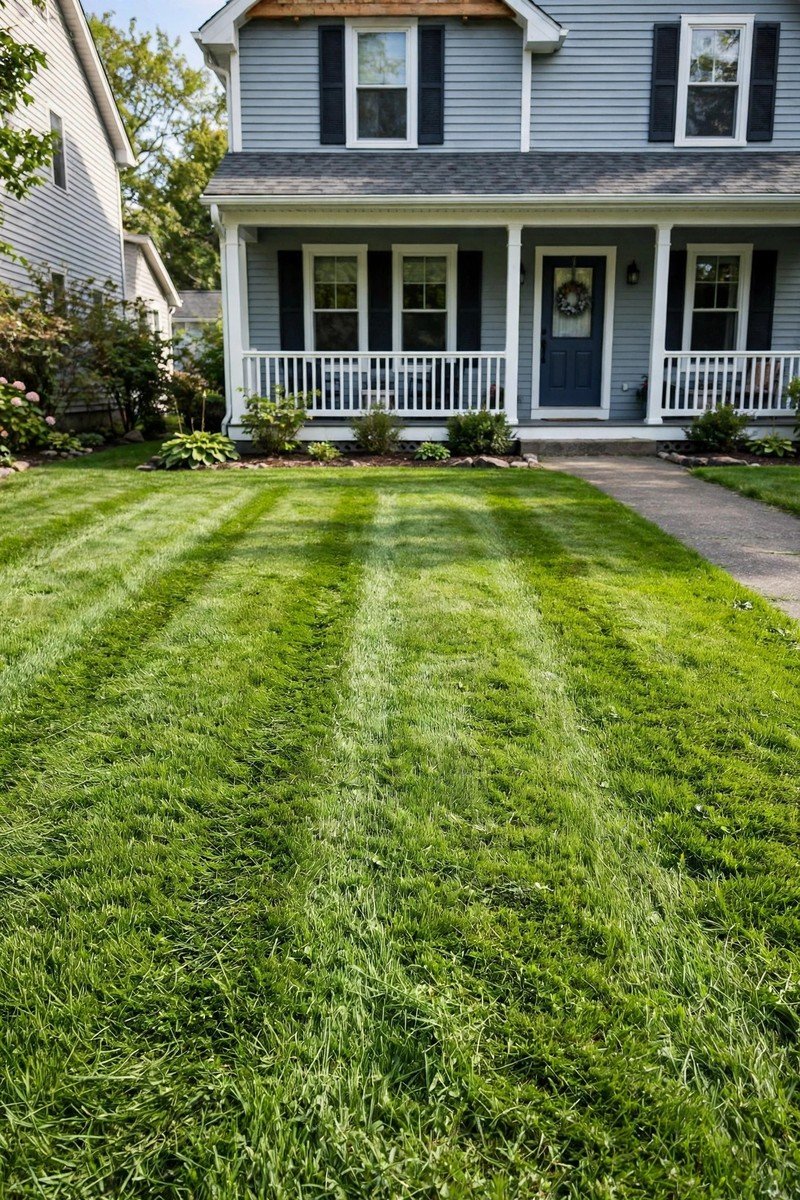
4. Mow in Straight Lines and Alternate Direction
A lawn with clean mow lines looks neat from the street, even if the grass is plain. Mowing in one direction each week can wear ruts into the soil.
Pro tip: Mow north to south one week and east to west the next, and cut no more than one third of the grass height at once.
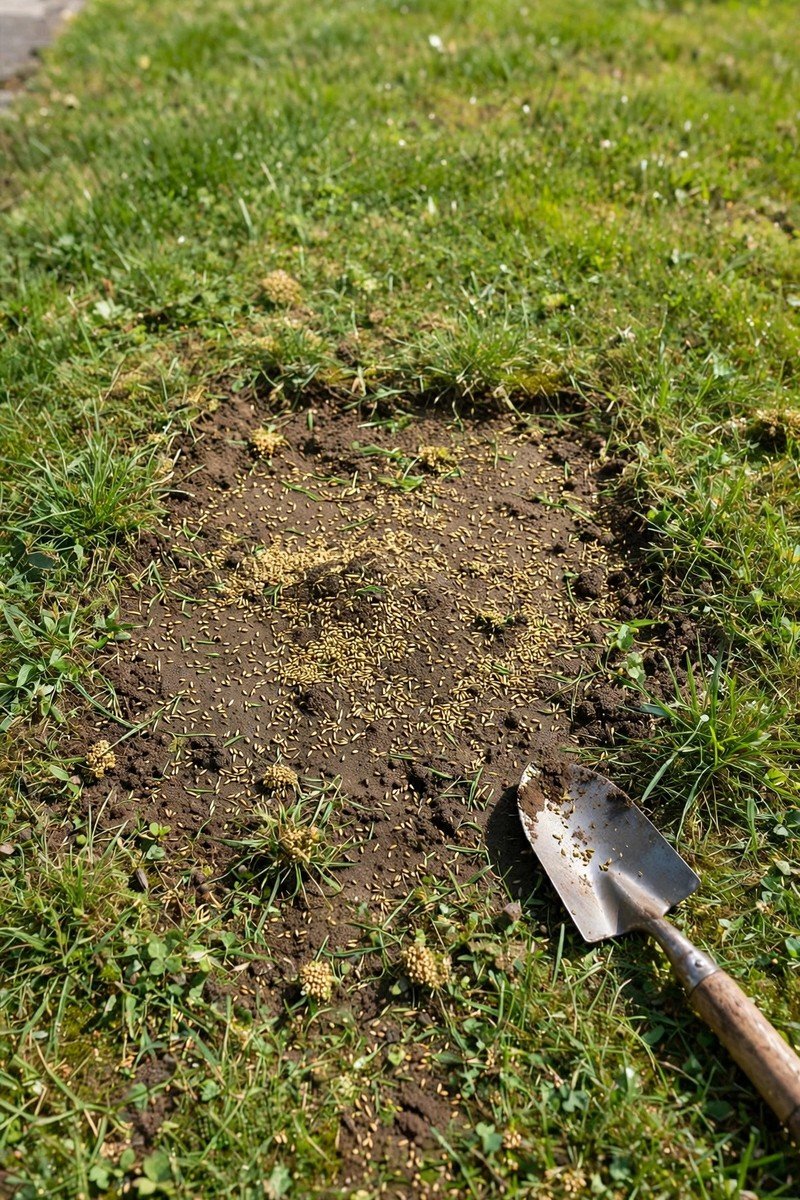
5. Fill Bare Lawn Patches With Seed and Soil
Bare patches draw the eye, and weeds move in fast. A small repair now saves a large repair later in the season.
Pro tip: Loosen the soil, spread seed made for your sun level, cover it with topsoil, and keep foot traffic off it for 3 to 4 weeks.
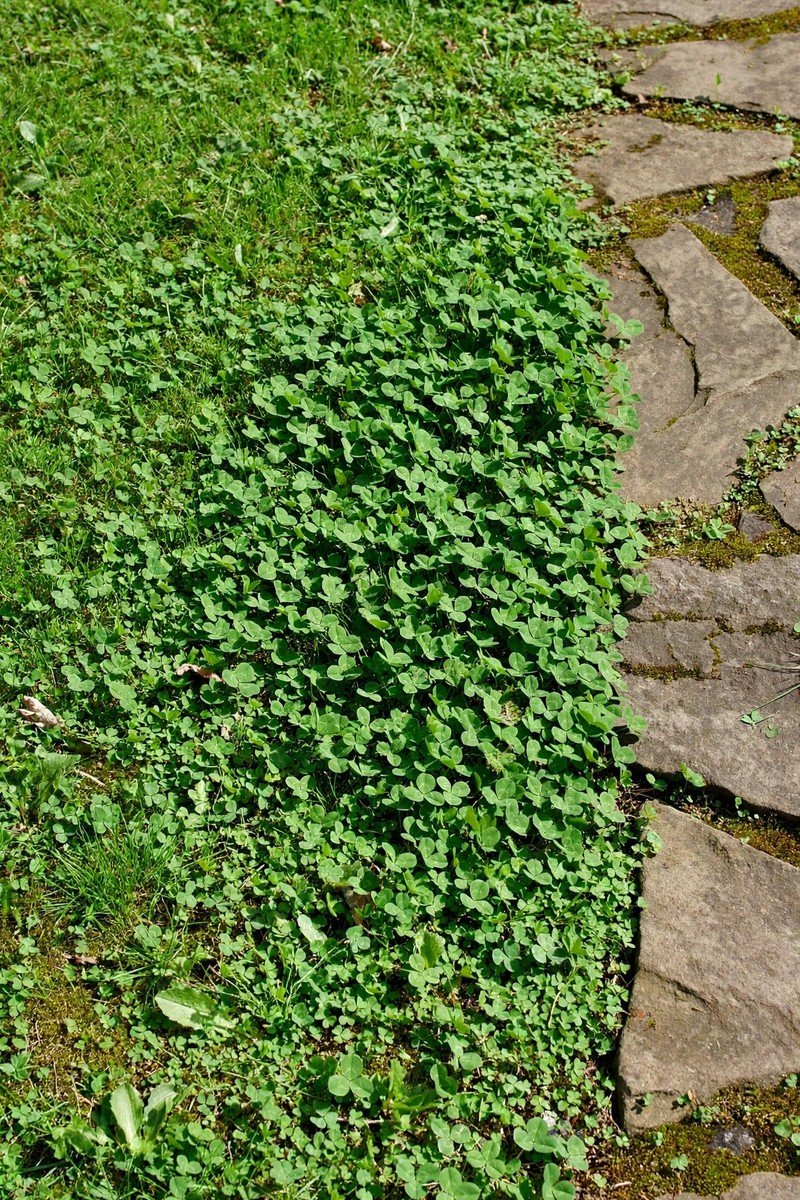
6. Plant a Clover Mix in a Worn Lawn
A lawn that gets heavy foot traffic can wear thin near the path and the curb. White clover stays low, stays green in dry spells, and feeds the soil.
Pro tip: Mix clover seed with grass seed in spring or fall. One pound of clover seed costs about 15 to 30 dollars and covers about 1,000 square feet.
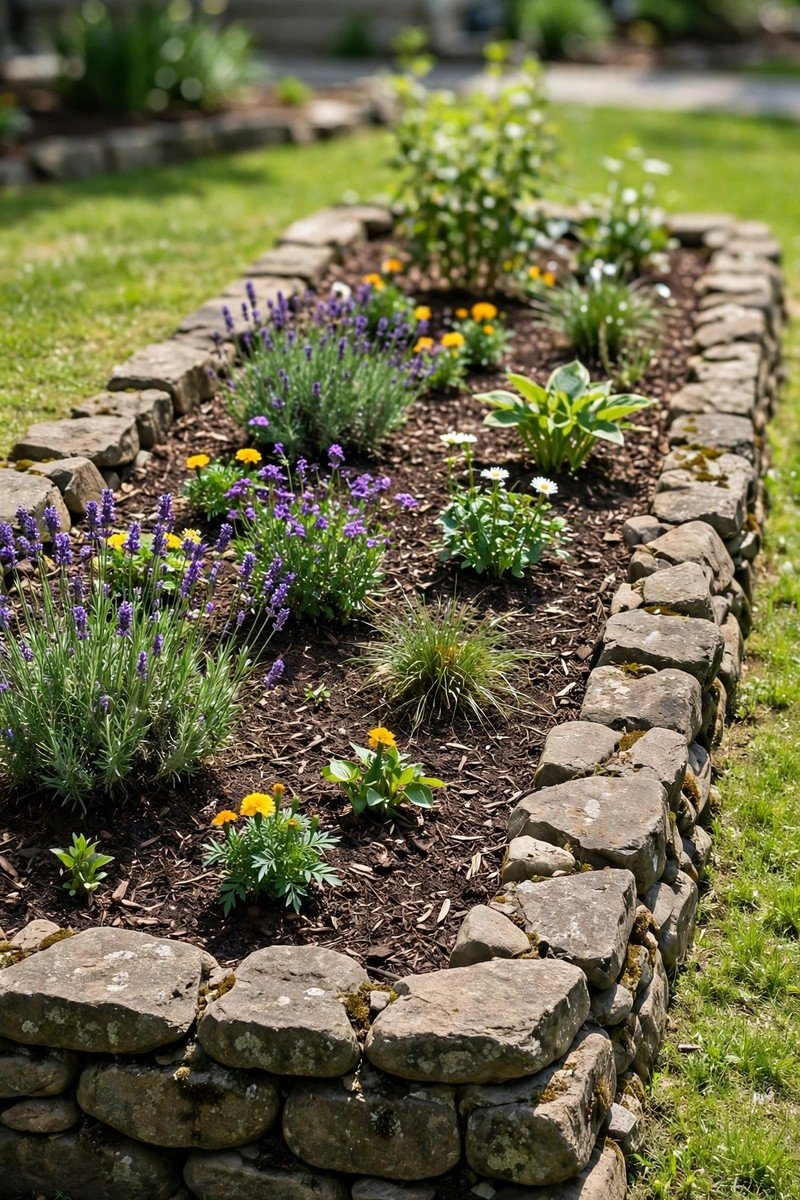
7. Add a Low Stone Border to Hold the Bed Line
A stone border keeps mulch in place and stops the mower from cutting into bed plants. It also gives the yard a finished look that lasts for years.
Pro tip: Set stones in a 4 inch trench on 2 inches of sand. Edging stones cost about 3 to 6 dollars each.
Paths and Edges
8. Widen the Front Path to Four Feet
A narrow path makes guests step onto the lawn, and it makes the entry feel cramped. A path 4 feet wide lets two people walk side by side with ease.
Pro tip: If you cannot rebuild the path, add a row of flat pavers on one side. Pavers cost about 3 to 8 dollars each.
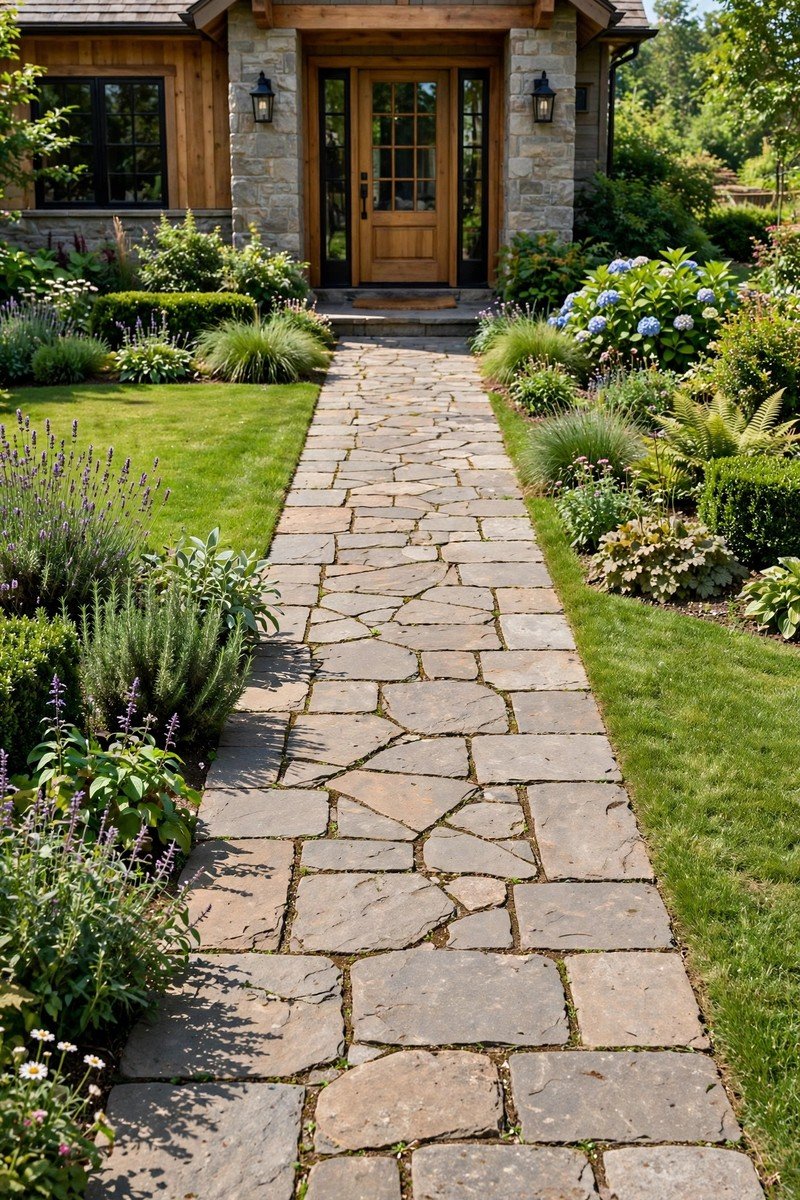
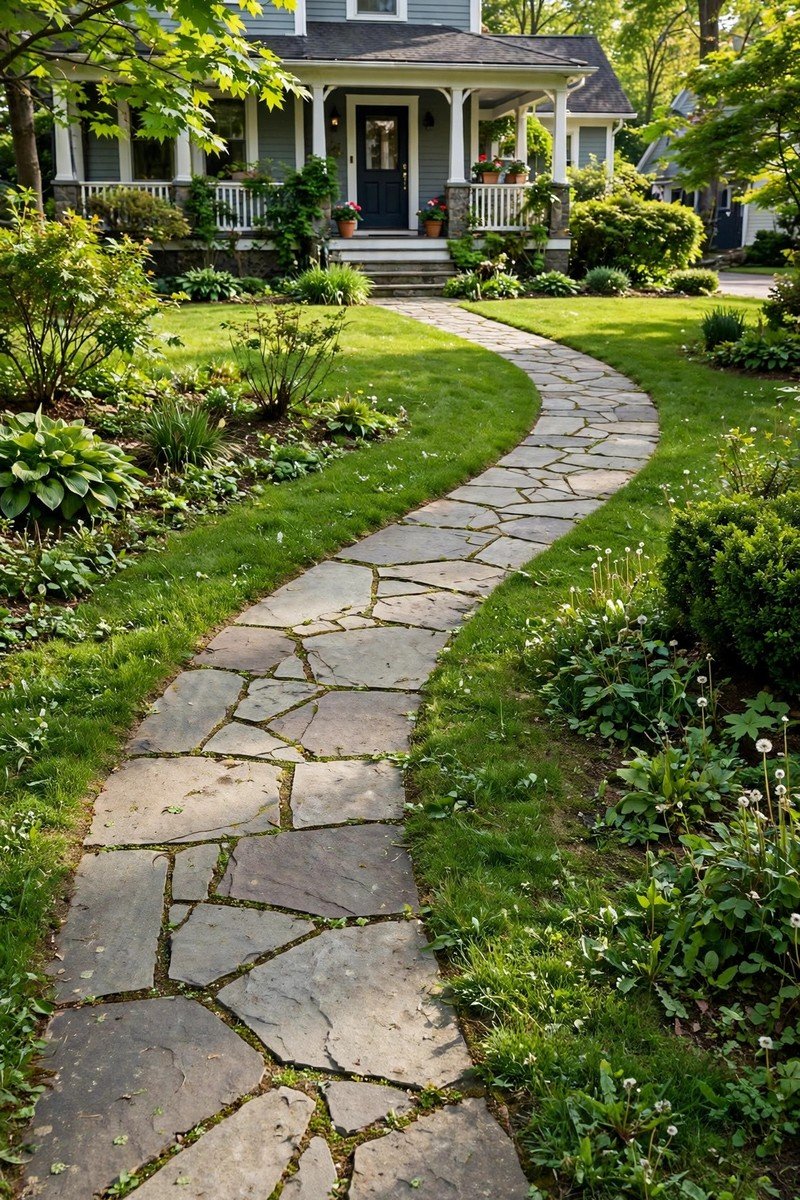
9. Lay a Curved Flagstone Path Through the Lawn
A curved path slows the eye and makes the walk to the door feel relaxed. Flagstone also adds texture that plain concrete cannot give.
Pro tip: Set stones 2 to 3 inches apart and at least 1.5 inches thick, so they do not crack. Flagstone costs about 5 to 12 dollars per square foot.
10. Edge the Path With Low Plants
Plants along a path soften hard edges and guide guests toward the door. Low plants work best, since tall plants can block the path and hide the house.
Pro tip: Plant creeping thyme or dwarf mondo grass 6 to 8 inches from the path edge, spaced 12 inches apart. Small pots cost about 5 to 10 dollars each.

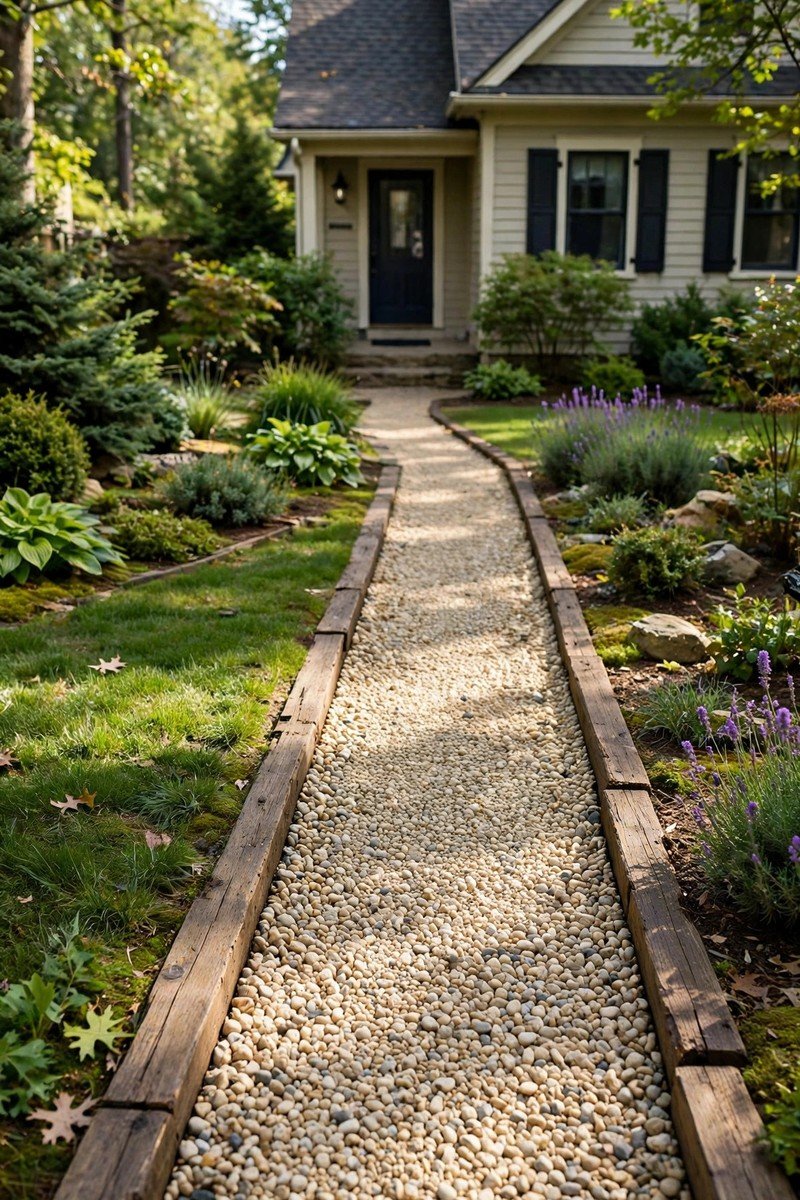
11. Add a Gravel Path for a Low Cost Upgrade
Gravel is one of the cheapest ways to replace a cracked or stained path. It drains well, it looks neat, and you can lay it in a weekend.
Pro tip: Line the path with edging, lay fabric, and spread pea gravel 3 inches deep. Pea gravel costs about 40 to 70 dollars per cubic yard.
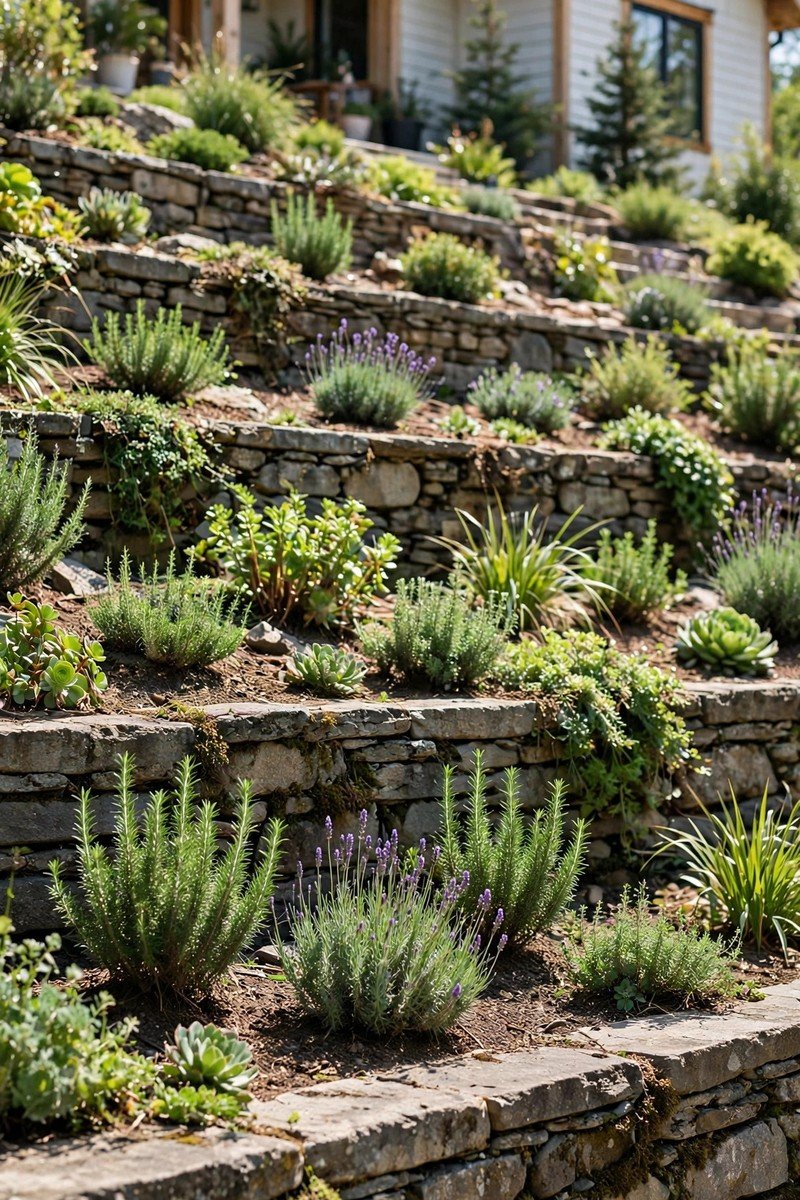
12. Fix a Sloped Front Yard With Low Terraces
A steep front slope is hard to mow, and rain washes soil down to the street. Low terraces break the slope into flat steps that hold soil and plants.
Pro tip: Build walls no higher than 12 inches with stacked stone, and keep any wall under 3 feet high unless you get expert advice.
13. Plant the Strip Between Sidewalk and Street
The strip between the sidewalk and the street is often bare grass or weeds. Planting it ties the yard to the street and makes the whole front look planned.
Pro tip: Use tough, low plants under 12 inches tall, such as creeping thyme or sedum, and check town rules first, since some towns own this strip.

Trees, Shrubs and Color
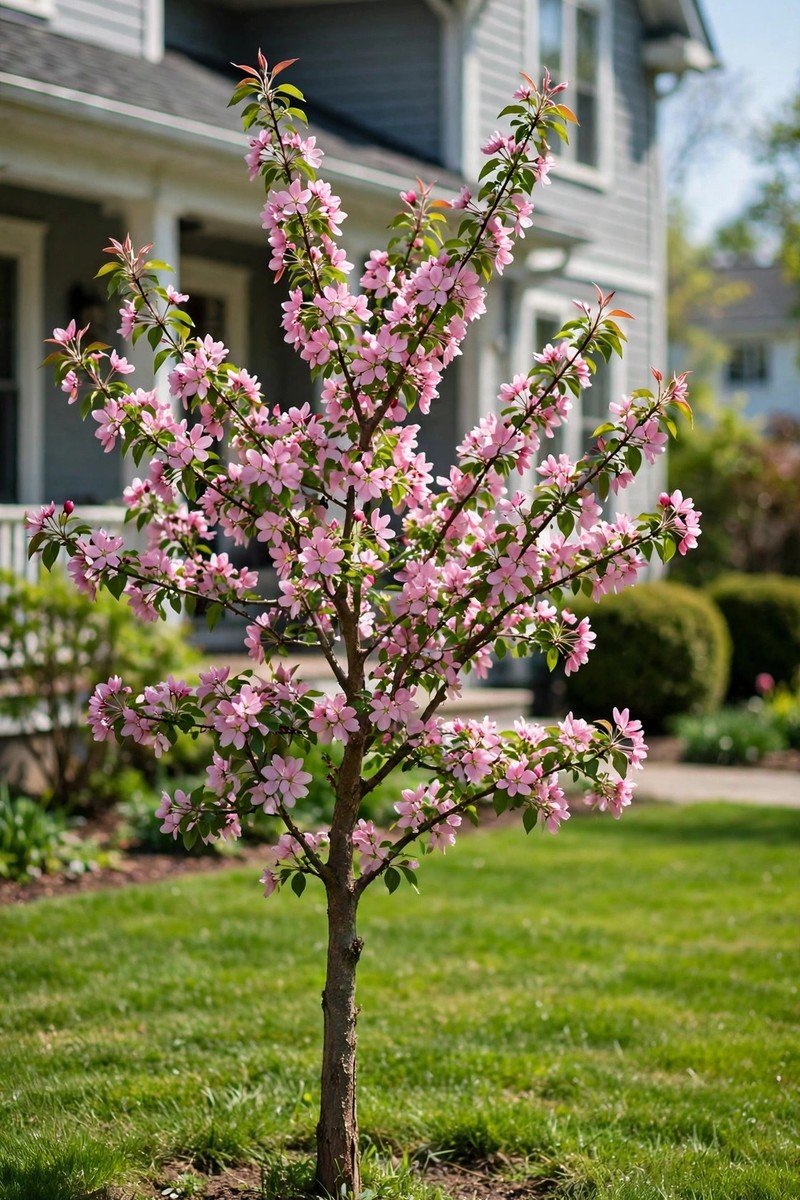
14. Plant One Small Tree as a Front Yard Focal Point
One small tree gives the yard height and shade without hiding the house. A tree that is too large can block windows and drop leaves on the roof.
Pro tip: Pick a tree that stays under 25 feet tall, such as a redbud or a Japanese maple, and plant it at least 10 feet from the house.
15. Anchor Foundation Beds With Evergreen Shrubs
Foundation beds look bare in winter if every plant loses its leaves. Evergreen shrubs keep the house framed in green all year.
Pro tip: Plant boxwood or yew 2 to 3 feet from the wall, and prune lightly in late spring, cutting no more than one third at once.
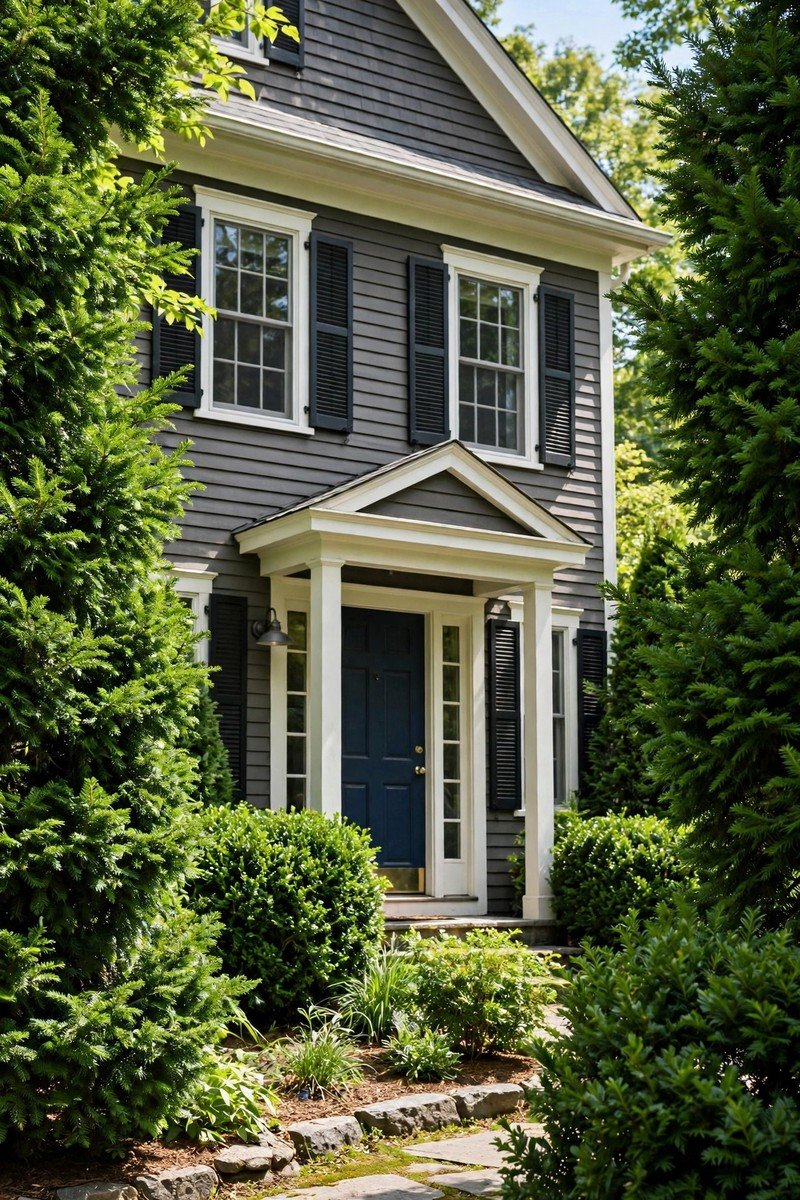
16. Layer Beds in Three Heights
A bed with plants of one height looks flat from the street. Three layers give depth and make even a small bed look full.
Pro tip: Aim for back plants 3 to 4 feet tall, mid plants 18 to 30 inches tall, and front plants under 12 inches tall.

17. Use Native Plants for Less Water and Less Work
Native plants suit your local soil, rain, and heat, so they need less water and less care than plants from far away. They also feed local birds and bees.
Pro tip: Ask a local nursery for natives that suit your sun level, such as coneflower or black eyed Susan. Pots cost about 8 to 15 dollars each.

18. Add Seasonal Color With Annuals Near the Door
Annuals give fast color for one season, and you can change them each year. They work best in a small area near the door, not across the whole yard.
Pro tip: Plant petunias or marigolds 10 inches apart near the entry, feed once a month, and remove spent blooms to keep them flowering.
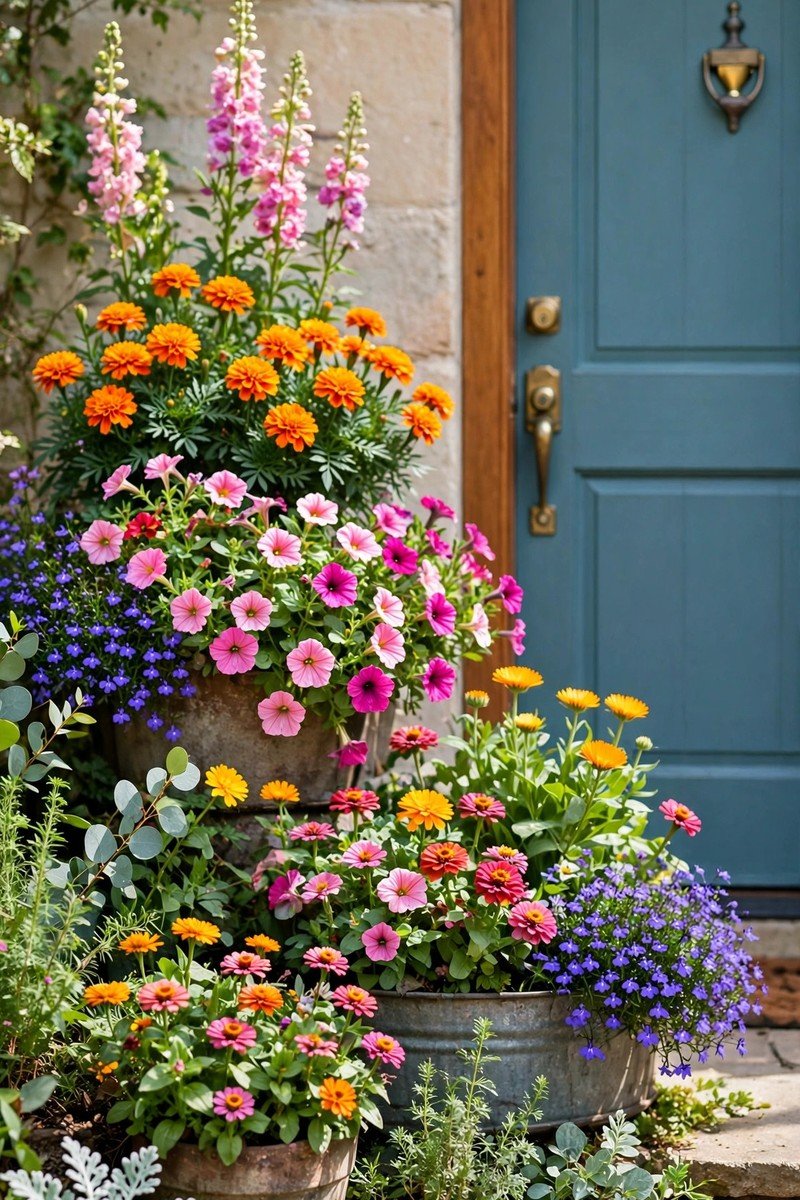
19. Plant a Cottage Mix of Perennials in a Small Yard
A cottage mix suits a small front yard because it packs color into a tight space. Mixed perennials bloom at different times, so the bed rarely looks empty.
Pro tip: Mix lavender, salvia, and daisies in groups of 3 to 5 plants, and cut stems back to 4 inches in late winter.

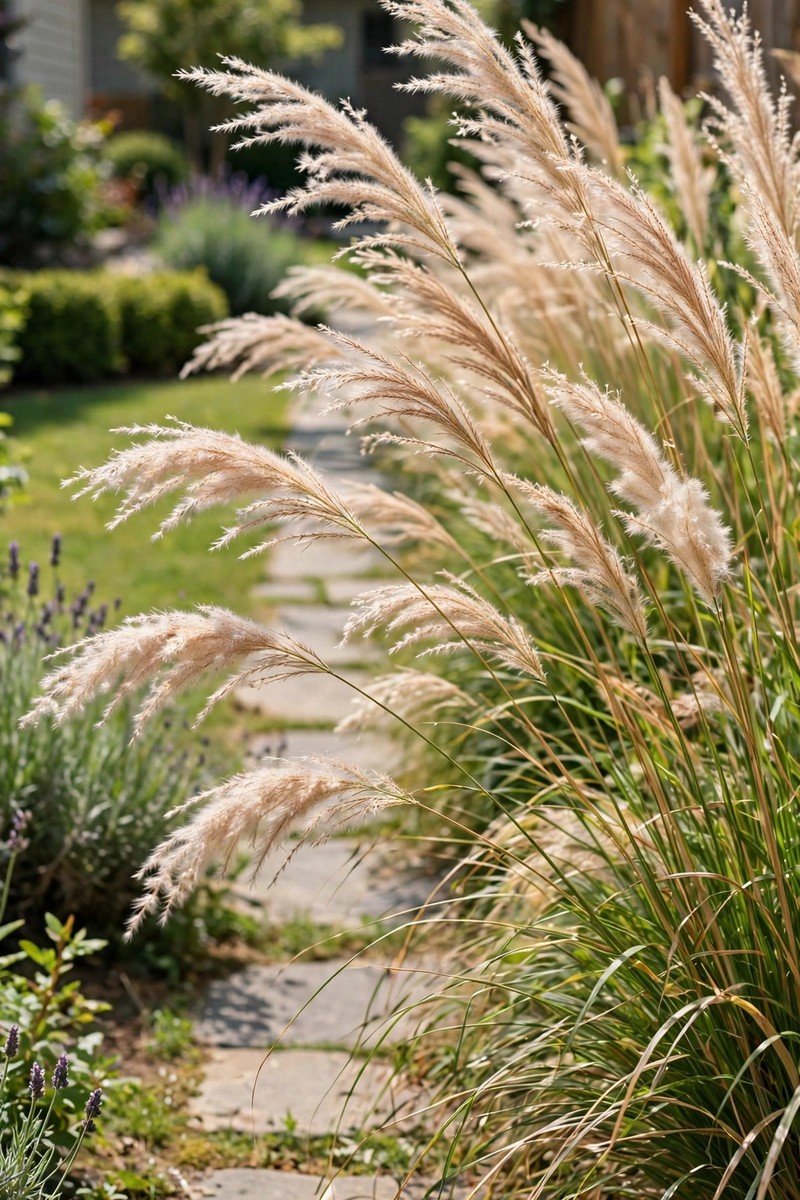
20. Add Ornamental Grasses for Movement and Winter Interest
Ornamental grasses sway in the wind and add texture that shrubs cannot give. Many types also look good in winter when flowers are gone.
Pro tip: Plant feather reed grass or blue fescue in groups of 3, spaced 2 to 3 feet apart, and cut them back in late winter.
Entry, Light and Finishing Touches
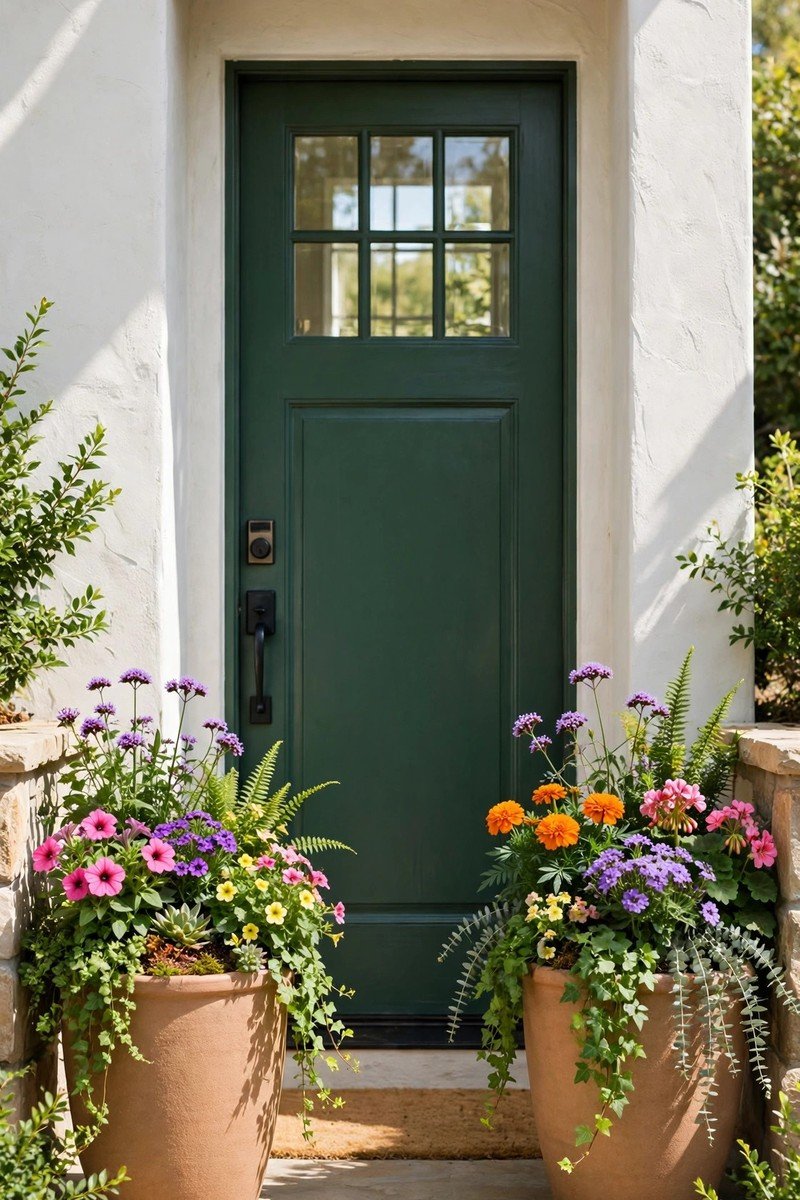
21. Frame the Front Door With Matching Planters
Two matching planters on either side of the door make the entry clear and balanced. They also add color right where guests look first.
Pro tip: Use pots at least 16 inches wide, plant tall in the middle and trailing plants at the edge, and water daily in summer heat.
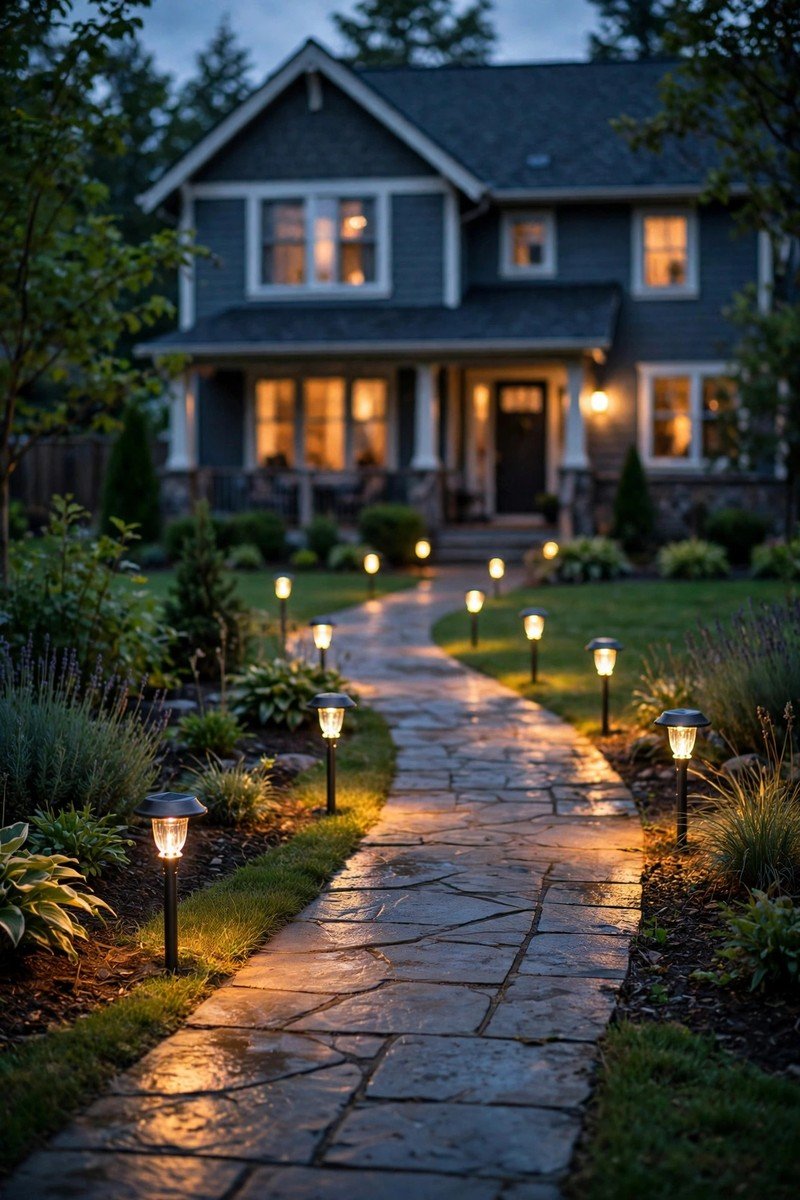
22. Add Solar Path Lights Along the Walk
Path lights make the walk safe at night and make the yard look warm from the street. Solar lights need no wiring, so you can place them in an hour.
Pro tip: Set lights 6 to 8 feet apart along the path, and clean the solar panel once a month. A set of 6 costs about 20 to 40 dollars.
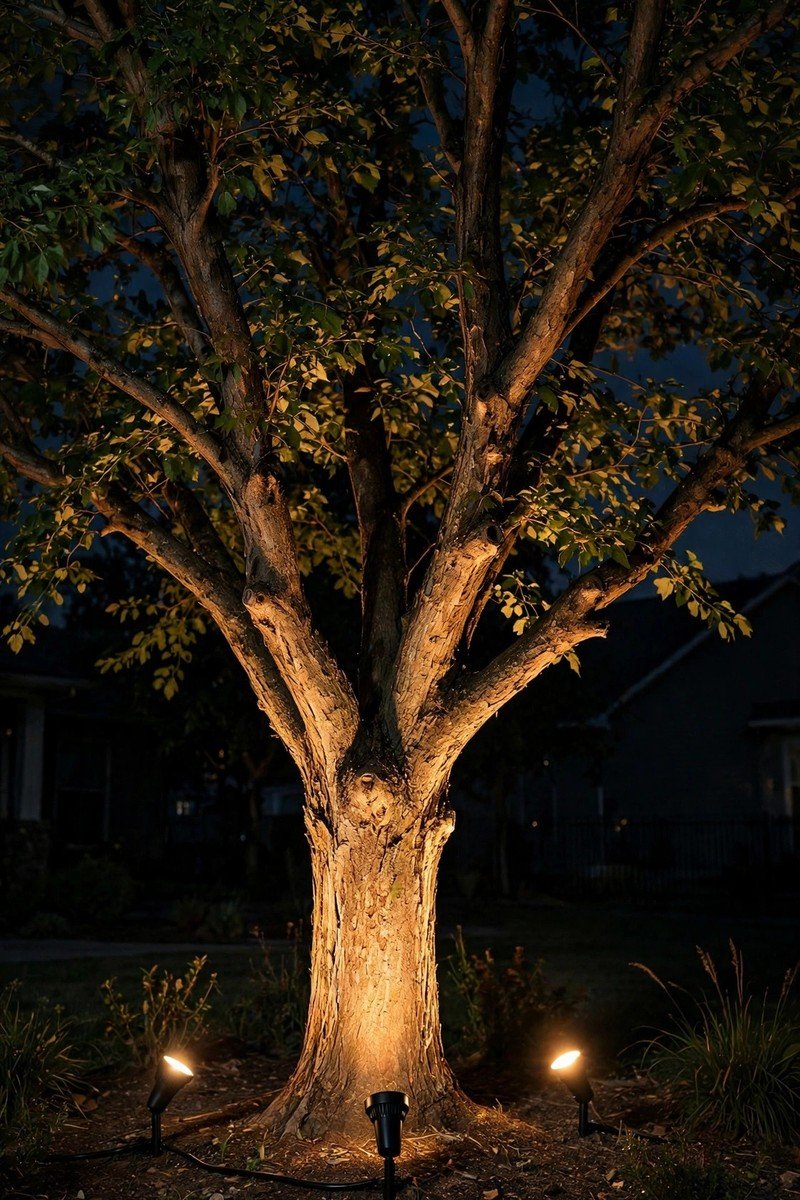
23. Add Low Voltage Spotlights for Trees and the House
Spotlights at night draw the eye to a tree or to the front of the house. They also make the yard feel safe and finished after dark.
Pro tip: Place one light at the base of a tree, aimed up, and use warm white bulbs near 2700K. A kit with 4 lights costs about 80 to 150 dollars.
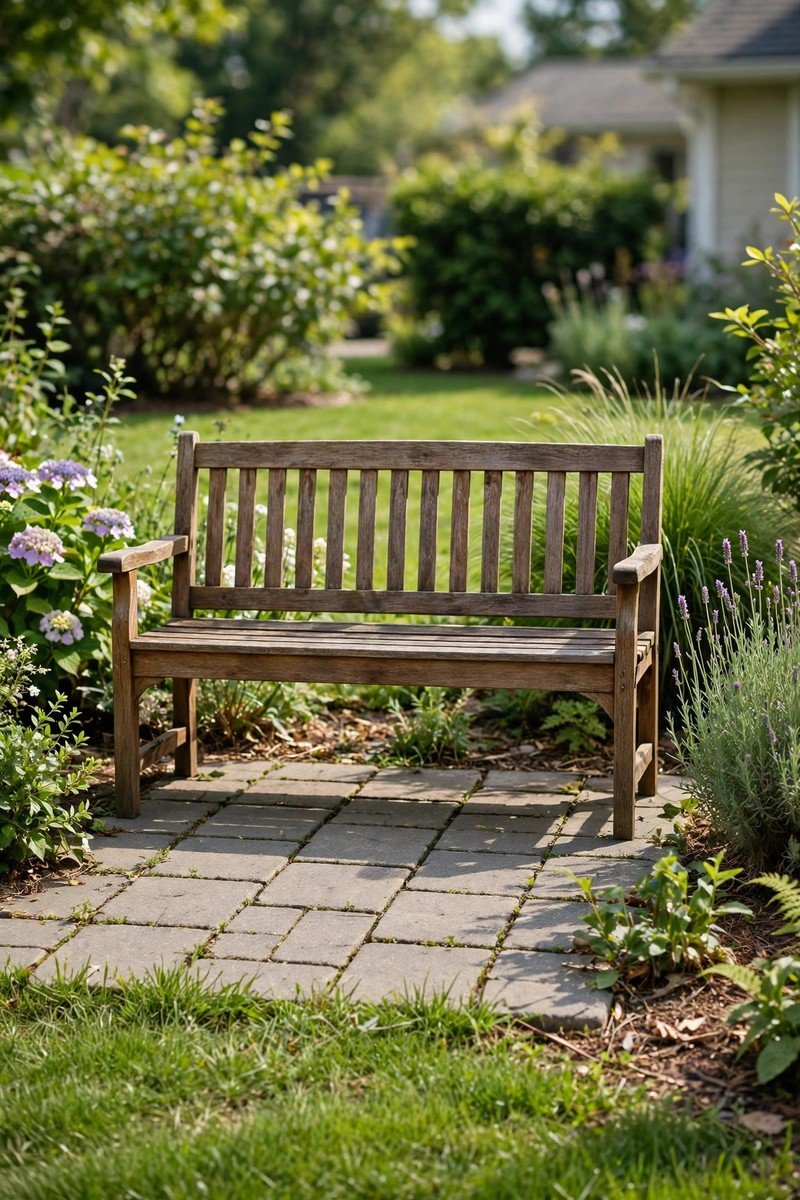
24. Build a Small Front Sitting Spot
A small bench or two chairs near the front path turns the yard into a place to sit, not just a place to look at. It also makes the front feel lived in.
Pro tip: Set a bench on a flat paver pad 4 feet wide, and seal wood once a year so rain does not crack it.
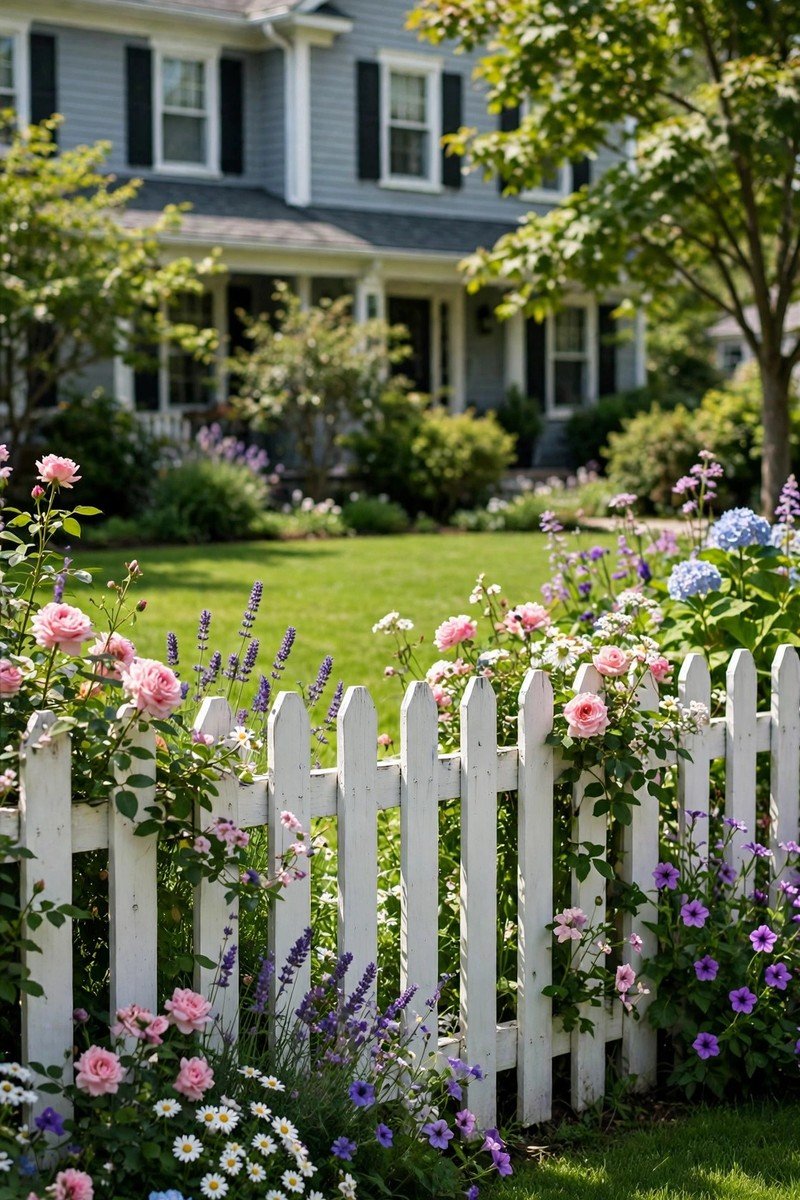
25. Add a Low Fence or Hedge for a Soft Boundary
A low fence or hedge marks the edge of your yard without hiding the house. It gives privacy from the street while keeping the front open and friendly.
Pro tip: Keep fences under 3 feet high in the front yard, and leave a clear gap at the path. Picket fencing costs about 15 to 30 dollars per foot installed.
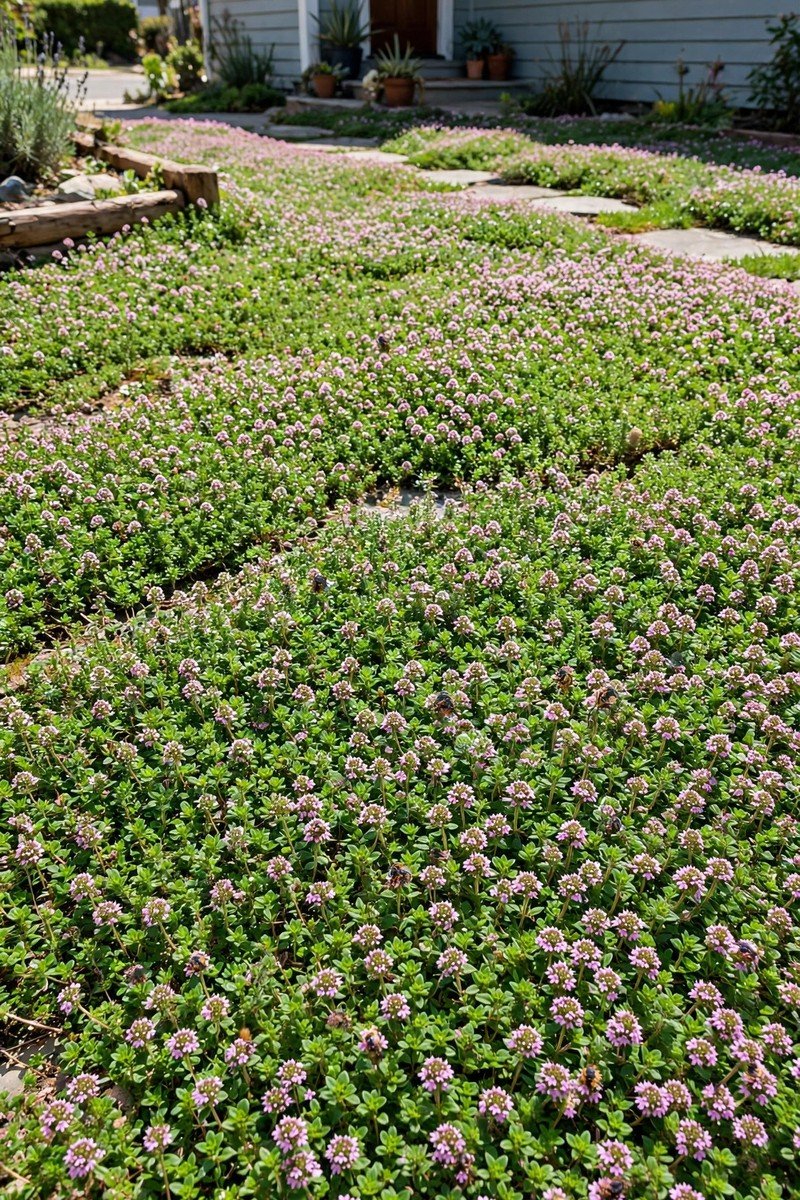
26. Replace Part of the Lawn With Ground Cover
Ground cover fills areas where grass struggles, such as dry shade under a tree or a steep bank. It also cuts mowing and watering over time.
Pro tip: Plant creeping thyme in sun or pachysandra in shade, spaced 12 inches apart, and mulch between plants until they fill in.
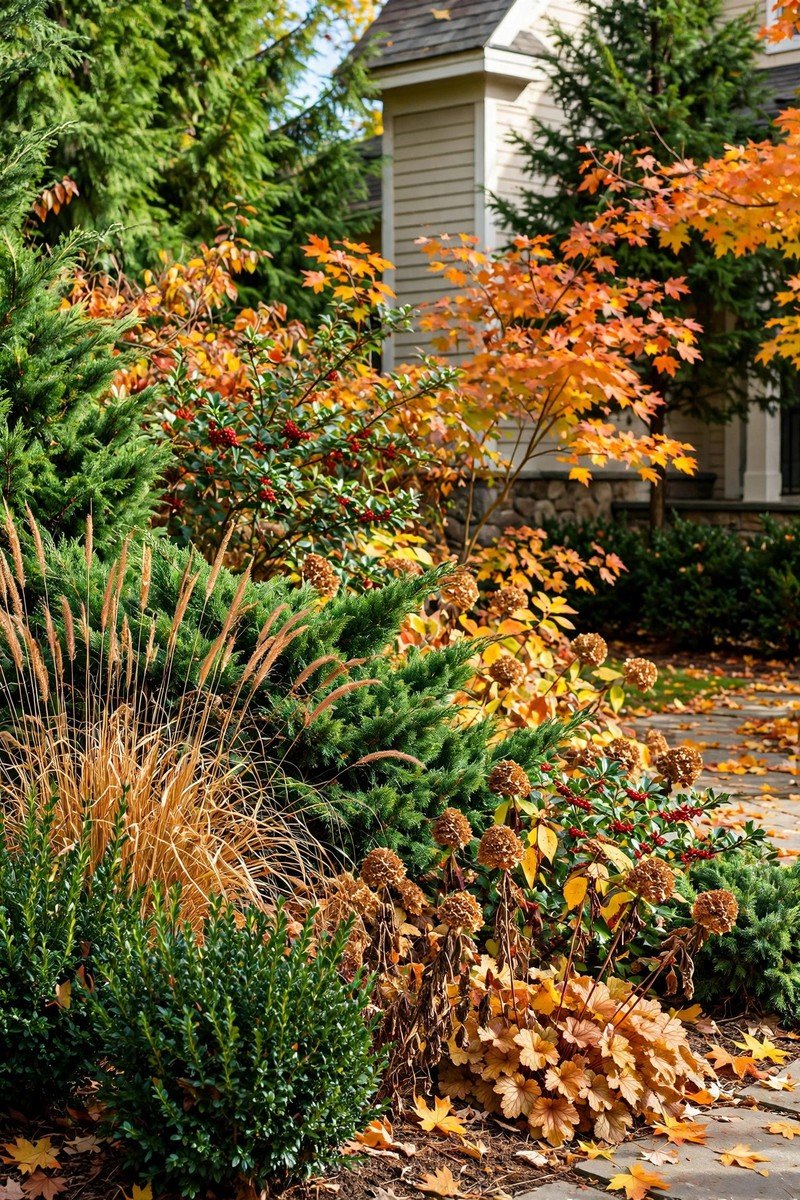
27. Plan for Four Seasons Before You Plant
A yard that looks good only in summer feels empty for half the year. A four season plan mixes evergreens, spring bulbs, summer flowers, and fall color.
Pro tip: Plant bulbs 6 inches deep in fall, 6 weeks before the ground freezes. A bag of 25 bulbs costs about 10 to 20 dollars.
Map Sun and Shade Before You Plant
Walk the front yard at three times of day before you buy a single plant. Note which beds get full sun, about 6 hours or more, which get part shade, about 3 to 6 hours, and which stay in shade all day. A plant that needs full sun will stretch and flop in shade, and a shade plant will scorch in full afternoon sun. The south side of a house gets the strongest sun, and the north side stays cool and damp. Check the shade of the house itself, because a two storey house shades a bed for half the day. Front yard landscaping works best when the plant matches the spot, not the other way round. Draw a simple sun map on paper, and take it to the nursery, because a plant bought for the wrong light dies in the first summer.
Plant for Full Size, Not for Today
A small shrub in a pot looks lonely, so people plant too close together. Read the mature size on the tag, and space plants for that size, not for the size in the pot. A shrub that grows to 4 feet wide needs at least 4 feet of space, and a tree that grows to 15 feet wide needs at least 10 feet from the house. Plant a small tree at least 8 feet from the foundation, because roots and branches grow toward the house and the roof. Leave at least 2 feet between a foundation shrub and the wall, so air moves behind it and the wall stays dry. A bed planted for full size looks sparse in year one and full in year three, while a bed planted too close looks full in year one and choked in year three.
Soil, Drainage and the First Year
Dig a test hole about 12 inches deep in each bed, and fill it with water. If the water is still there after 4 hours, the soil drains badly, and most plants will drown. Mix compost into the top 12 inches of soil, about 2 to 3 inches of compost dug in, because compost improves drainage in clay and holds water in sand. Water new plants deeply twice a week in the first year, about 1 inch of water each time, instead of a light sprinkle every day, because deep watering grows deep roots. Mulch the beds 2 to 3 inches deep, and keep the mulch 3 inches away from stems and trunks, because mulch piled against a stem rots it. Feed new plants lightly in spring, and skip feeding in the first month, because a stressed plant cannot use fertiliser.
Budget and the Water Bill
A front yard can be improved in stages, and the water bill decides how fast. Under 100 dollars: mulch, edging and a bag of seed to fix bare patches. From 100 to 500 dollars: add three shrubs, a small tree and a set of solar lights. Over 500 dollars: add a stone path, a low fence and a full bed of perennials. As a typical range, a bag of mulch costs about 3 to 6 dollars, a 3 gallon shrub costs about 25 to 60 dollars, and a small tree costs about 75 to 200 dollars. Watering a new bed adds about 10 to 30 dollars a month to the water bill in summer, so plant in spring or autumn, when rain does the watering for you. Buy the tree first, because a tree takes years to grow, and everything else can wait a season.
Common Mistakes to Avoid
- Planting too close to the house. Plant at least 2 feet from the wall so air can move and walls stay dry.
- Using only one plant height. Mix tall, mid, and low plants in each bed.
- Skipping the path. Fix the path before you buy more plants.
- Overwatering new plants. Water deep twice a week, not a little each day, once plants are set.
- Ignoring winter. Keep at least one third of the plants evergreen.
- Planting without a plan. Sketch the beds, the path, and the tree spot before you dig.