
If you typed plor4d85 pot into Google, you probably saw the term somewhere and asked yourself a simple question. What is it?
Here is the short answer. Online, the phrase is used to talk about a plant pot or decorative container. The strange name looks like a product code. There is no verified brand or official spec sheet behind it. But that part matters less than you think. Used as a decor pot, it behaves like any good planter. This guide explains the meaning, clears up the confusion, and shows you how to style, size, and care for a pot like this in your home.
What Is a Plor4d85 Pot?
A plor4d85 pot is described online as a container for plants. Most pages that use the term talk about it the way they would talk about any planter. A pot to hold soil, roots, and a plant.
The odd part is the name. It does not sound like a normal product name. It looks like something a store computer would print on a label. Think of the codes you see on warehouse boxes or inventory lists.
Because of that, you will find very different claims about it. Some sites call it a gardening pot. One site reviews it as cookware. Another treats it as a tech term. They cannot all be right about the same object. The safest way to read the term is this. It is an unclear name that points to a container, and the real meaning depends on where you saw it.
Plor4d85 Pot Meaning: Breaking Down the Name
Split the phrase into two parts and it gets simpler.
Plor4d85. A mix of letters and numbers. Names like this usually come from product codes, model numbers, or database entries. Stores use them to track items. Sometimes the code leaks into a product title or a web address, and shoppers see it with no explanation.
Pot. A plain English word. It means a container or vessel. In daily life it usually means one of two things. A pot you cook in, or a pot you grow plants in.
Put together, the phrase most likely started as an internal label for some container. Which container? That depends on the listing where it appeared. For a home decor reader, the plant pot meaning is the useful one, and it is the one this guide focuses on.
Is the Plor4d85 Pot a Real Product?
Honest answer. There is no verified manufacturer, no official product page, and no standard spec sheet for a plor4d85 pot.
A real product leaves traces. A brand name. Listed dimensions. A material. Photos from the maker. Reviews from buyers. None of that exists in one consistent form for this term.
That does not make the term useless. It means you should treat it as a label, not a brand. If you saw it on a store listing, judge the actual pot in the photos. Check its size, material, and drainage. The name on the label matters far less than the object in your hands.
For the rest of this guide, “plor4d85 pot” means a decorative plant pot. Everything below applies to any good planter of this style.
What to Look for in a Good Decor Pot
Since the name tells you nothing, judge the pot itself. These five qualities separate a good decor pot from a bad one.
1. Solid weight. A good pot feels sturdy in your hands. Paper thin walls crack fast. Pick it up. If it feels flimsy empty, it will feel worse full of wet soil.
2. A drainage hole. This is non negotiable for live plants. No hole means water pools at the bottom and roots rot. A saucer or tray should come with it or fit under it.
3. A finish that suits your room. Glazed ceramic shines in modern rooms. Raw terracotta warms up rustic and boho spaces. Matte concrete fits minimal homes. Match the pot to the room, not the trend.
4. The right depth. Shallow pots suit succulents and herbs. Deep pots suit tall plants with long roots. As a rule, the pot should be about as deep as it is wide for most houseplants.
5. Easy to clean. Smooth glaze wipes clean in seconds. Rough textures trap dust and algae. If you hate scrubbing, go smooth.
Get these five right and the name on the label stops mattering. A ten dollar pot with all five beats a fifty dollar pot with none.
Why It Works So Well as a Home Decor Pot
A planter is one of the easiest decor upgrades in any room. It adds color, shape, and life. It fills empty corners. It softens hard furniture lines. And it costs far less than new furniture.
A pot in this style works because it is simple. Clean lines fit modern rooms. Warm materials like terracotta fit cozy rooms. One pot can anchor a corner. Three pots can build a whole vignette. You do not need design skills. You need a pot, a plant, and the right spot.
How to Style a Plor4d85 Pot in Your Home
Placement matters more than price. A ten dollar pot in the right spot beats a fifty dollar pot in the wrong one. Here are five spots that always work.
Living room corner
Empty corners make rooms feel unfinished. A medium or large pot with a tall plant fixes that fast. Snake plants and fiddle leaf figs work well here. Keep the pot a few inches from the wall so air moves behind it.
Entryway
The entry sets the tone for your home. A pot on a console table or beside the door greets guests with green. Pick something low maintenance. You will thank yourself on busy weeks.
Bedroom
Plants in the bedroom feel calm and soft. Choose a pot with a matte finish in a quiet color. White, beige, or soft grey all work. Keep it off the nightstand unless the pot is small. A plant stand beside the bed looks better and stays safer.
Balcony or patio
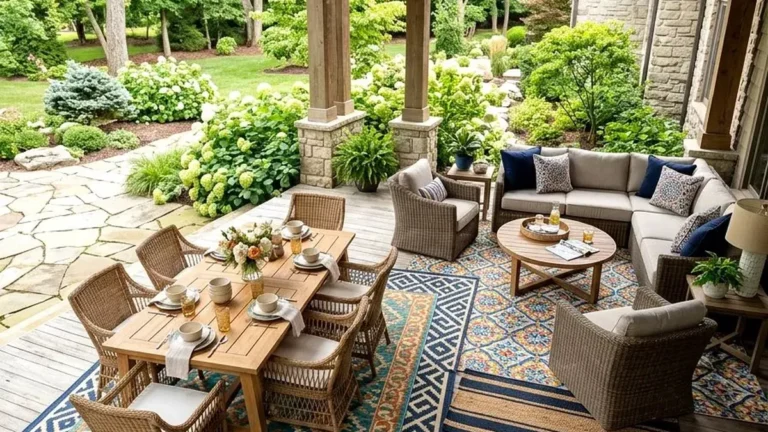
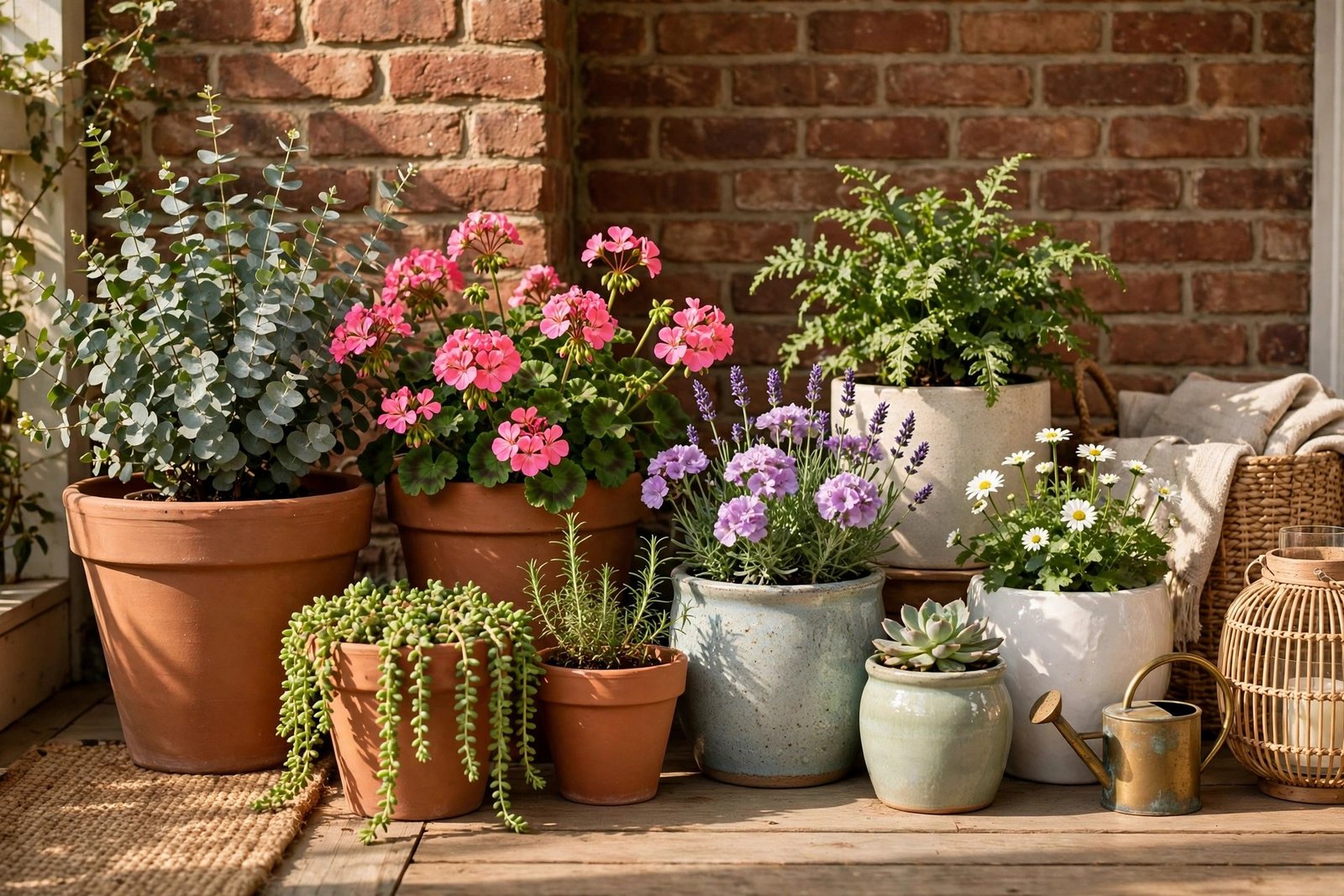
This is where pots earn their keep. Group three to five pots of mixed heights near the seating area. For flower filled ideas, see these summer porch planter ideas. If your balcony is small, these small balcony decor ideas show how to fit green into a tight space.
Kitchen shelf or windowsill
Small pots with herbs turn a kitchen into a working garden. Basil, mint, and parsley grow well on a bright sill. Use small pots with saucers so water never reaches the wood.

Choosing the Right Size
Size mistakes are the most common planter mistake. Too big, and soil stays wet and roots rot. Too small, and the plant gets root bound and thirsty.
Simple rule. When you repot, go only 1 to 2 inches wider than the current pot. For a new plant, match the pot to the root ball with an inch of room around it.
| Pot diameter | Fits these plants | Best spots |
|---|---|---|
| 4 to 6 inches | Succulents, small herbs, baby plants | Windowsills, shelves, desks |
| 8 to 10 inches | Pothos, snake plant, medium ferns | Side tables, entryways |
| 12 to 14 inches | Monstera, rubber plant, large ferns | Living room corners, beside sofas |
| 16 inches and up | Fiddle leaf fig, small trees, big palms | Statement corners, patios |
Best Plants to Pair With It
For low light corners
Snake plant. ZZ plant. Pothos. These three survive dark corners and missed waterings. They are the safest first plants for any pot.
For bright spots
Monstera. Rubber plant. Bird of paradise. Big leaves, big impact. They need light near a window and room to spread.
For a statement look
Fiddle leaf fig. Olive tree. A tall plant in a large pot becomes the focal point of a room. One is enough. Let it breathe.
For the kitchen
Basil. Mint. Thyme. Parsley. Herbs want small pots, bright light, and regular snips. Snipping keeps them bushy.

Ceramic vs Terracotta vs Concrete: Which Material Suits Your Decor
Material changes the look, the weight, and how often you water. Here is the quick comparison.
| Material | Look | Weight | Water needs | Best for | Price range |
|---|---|---|---|---|---|
| Glazed ceramic | Smooth, colorful | Heavy | Holds moisture longer | Indoor statement pots | $15 to $60 |
| Terracotta | Warm, earthy | Medium | Dries fast, breathes | Rustic and Mediterranean rooms | $8 to $30 |
| Concrete | Modern, raw | Very heavy | Holds moisture | Minimal and industrial decor | $20 to $70 |
| Fiberglass or resin | Many finishes | Light | Holds moisture | Balconies, big outdoor pots | $25 to $80 |
Want a custom look? A plain pot plus paint goes far. These painted flower pot ideas show how much color can change a simple container.
Drainage, Soil, and Plant Health Basics
Three things keep potted plants alive. Drainage, soil, and light. Get these right and most plants forgive the rest.
Drainage. Roots hate sitting in water. A pot with a drainage hole plus a saucer is the gold standard. No hole? Use the cache pot trick. Keep the plant in its plastic nursery pot and set that inside your pretty pot. Lift it out to water, let it drain, then set it back.
Soil. Garden soil is too heavy for pots. Use bagged potting mix. For succulents and cacti, use cactus mix or add perlite. Fresh mix every year or two keeps roots happy.
Light. Match the plant to the spot, not the spot to the plant. A dark corner needs a snake plant, not a fiddle leaf fig.
Indoor vs Outdoor Use
Most decor pots work in both places, with a few cautions.
Indoors, always use a saucer or a cache pot. Water ruins wood floors and table finishes fast. Wipe the pot base now and then. Salt and mineral rings build up silently.
Outdoors, frost is the enemy of ceramic and terracotta. Water trapped in the walls can crack them in winter. In cold climates, move them inside or to a sheltered wall before the first freeze. Sun fades bright glazes over the years, so prized pots do better in partial shade. For garden styling around your pots, these Japanese garden ideas pair well with simple containers. And window box flower ideas work on the same principle, just in a long thin pot.
Seasonal Styling: One Pot, Four Looks
One good pot can serve you all year. Just swap the plant and the accents.
Spring. Fresh herbs or bright tulips. Light and hopeful.
Summer. A full trailing pothos or colorful annuals on the patio.
Fall. Mums in warm tones. Tuck a small pumpkin beside the pot for the season. More ideas in these fall indoor decoration ideas.
Winter. Evergreen sprigs or a small Norfolk pine. Add fairy lights in December.
The pot stays. The mood changes. That is the cheapest seasonal refresh in home decor.
How to Clean and Care for Your Pot
Pots get dirty. Mineral crust, algae, and dust build up. A quick clean once or twice a year keeps them sharp.
- Empty the pot and brush off loose soil.
- Scrub with warm water and a splash of white vinegar. Skip harsh bleach on colored glaze.
- For white crust on terracotta, soak 20 minutes, then scrub with a stiff brush.
- Rinse well and let it dry fully in the sun before replanting.
- If the last plant was diseased, soak the pot in a mild disinfectant, then rinse twice. Do not reuse old soil from a sick plant.
7 Common Mistakes to Avoid
- Buying for looks alone. A pretty pot with no drainage kills plants. Check the base before you fall in love.
- Ignoring the material. Terracotta dries fast. Glazed ceramic stays wet. Match the material to your watering habits.
- Using a pot that is far too big. Extra soil holds extra water. Roots rot. Size up slowly.
- Skipping the saucer indoors. One watering can stain a wood floor for good.
- Using garden soil in pots. It compacts, drains badly, and brings weeds and bugs inside.
- Assuming every pot is heat safe. A plant pot is not cookware. Never put it on a stove or in an oven.
- Trusting a listing with no details. No dimensions, no material, no real photos? Walk away.
Buying Checklist: What to Check Before You Buy
Use this list for any decor pot, whatever the name on the label.
- Exact size: diameter and height in inches.
- Material: ceramic, terracotta, concrete, or resin.
- Drainage: hole present? Saucer included?
- Weight: can you lift it once filled with soil?
- Real photos: buyer photos beat studio renders.
- Return policy: pots break in shipping. Know the terms.
What should it cost? Small indoor pots run $8 to $20. Medium statement pots run $20 to $50. Large floor pots run $50 to $100 or more. Handmade and designer pieces cost extra. If a deal looks too good, check the material. Thin plastic painted to look like ceramic is common.
FAQs
What is a plor4d85 pot?
It is a term used online for a plant pot or decorative container. The name looks like a product code. There is no verified brand behind it.
Is the plor4d85 pot a real product I can buy?
Not as one official product. You may find listings using the name. Judge each listing by its photos, size, and material, not by the name.
What is the plor4d85 pot used for?
Holding plants, indoors or outdoors. It works like any decorative planter.
Is it meant for indoor or outdoor use?
Both. Indoors, use a saucer. Outdoors, protect ceramic and terracotta from frost.
What size pot do I need for my plant?
Go 1 to 2 inches wider than the current pot. Match the pot to the root ball, not to the leaves.
Which plants look best in it?
Snake plant, pothos, and ZZ plant for low light. Monstera and rubber plant for bright spots. Succulents and herbs for small pots.
Does it need drainage holes?
Yes, ideally. Roots rot in standing water. No hole? Use it as a cache pot with the nursery pot inside.
How do I clean it?
Warm water, white vinegar, and a brush. Soak terracotta crust for 20 minutes first. Dry fully before replanting.
Is the plor4d85 pot cookware I can cook in?
No. Do not cook in an unverified container. Only use cookware from a known brand with safety markings.
Is plor4d85 a tech term or product code?
It looks like a code, and some pages use it that way. That meaning has nothing to do with plant pots or home decor.
What should a good decorative pot cost?
Small pots $8 to $20, medium $20 to $50, large $50 to $100 or more. Handmade pieces cost more.
Can beginners use it?
Yes. It is just a planter. Start with a snake plant or pothos and you will do fine.
Final Verdict
The plor4d85 pot is a confusing name for a simple thing. A container for plants. Forget the code. Pick the right size, give it drainage, match the plant to your light, and style it with confidence. Do that, and any pot becomes a piece your room is better for.
Want more planter inspiration? Browse these painted flower pot ideas or these fall indoor decoration ideas for seasonal styling.