My coffee maker sat on a bare stretch of counter for years before I gave it an actual station, a repurposed buffet, open shelving, and a few labeled canisters. That one change turned my morning coffee from a rushed five minutes standing at the counter into something that actually felt like a ritual worth having.
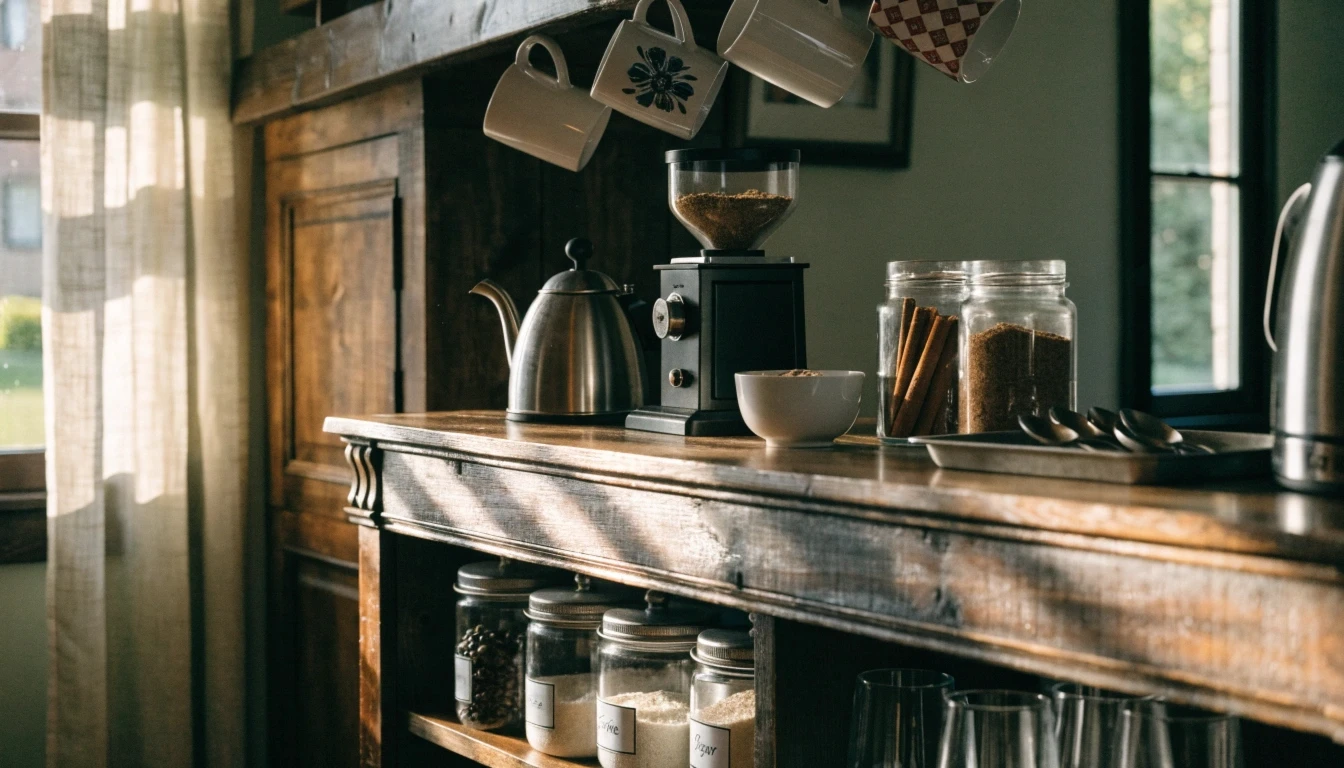
Featured image prompt: Photo of a farmhouse-style coffee bar set up on a repurposed wood buffet, with open shelving, labeled glass canisters, hanging mugs, and warm morning light, realistic interior photography, no text overlay.
The ideas below are grouped by what they solve, layout and furniture first, then storage, farmhouse-specific accents, mugs and serving pieces, and the lighting and finishing touches that make the corner feel finished. The same setup principles used in these DIY bar shelf ideas apply directly to a coffee station too, group by function, keep frequently used items at eye level, and let a few well-chosen accents do the styling work.
Before You Start
- Measure your available space before buying furniture, a repurposed buffet or cart only works if it actually fits the corner or counter run you have in mind.
- Keep an outlet within reach of wherever the station ends up, this matters more than almost anything else when choosing a spot.
- Stick to a warm, muted color palette, wood tones, cream, black accents, rather than bright colors, to keep the farmhouse look consistent.
- Group by how often you reach for something, daily items like mugs and filters up front, backups and less-used items toward the back or lower shelves.
Layout and Furniture
1. Use a Repurposed Buffet or Sideboard as the Base
An old wood buffet from a secondhand shop gave the whole station a piece of furniture with actual character instead of just extra counter space.
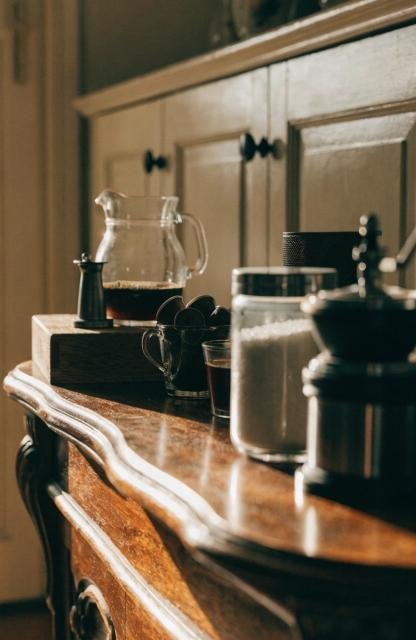
A secondhand wood buffet or sideboard runs $100 to $300 depending on size and condition, considerably less than most purpose-built coffee bar furniture.
It works because it gives the station a piece of real furniture with storage built in, rather than relying entirely on counter space that’s usually needed for other things.
2. Add Open Shelving Above the Counter
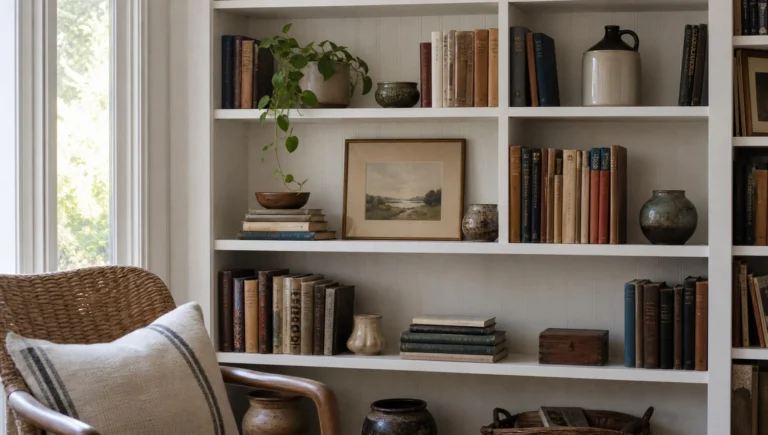
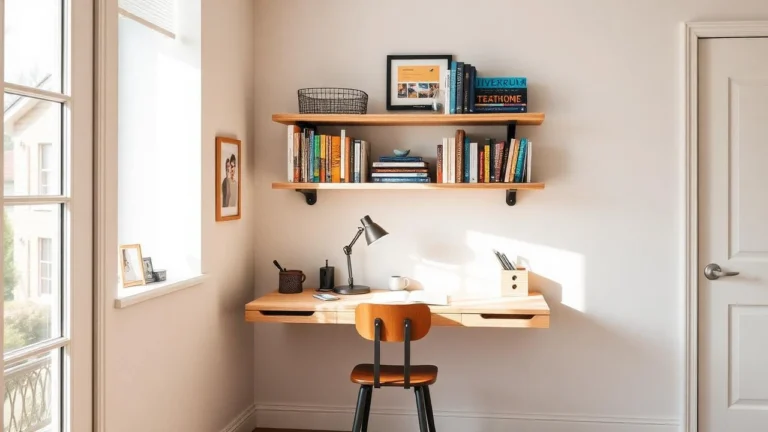
Two floating wood shelves above the buffet gave the whole setup vertical storage without closing anything in behind cabinet doors.
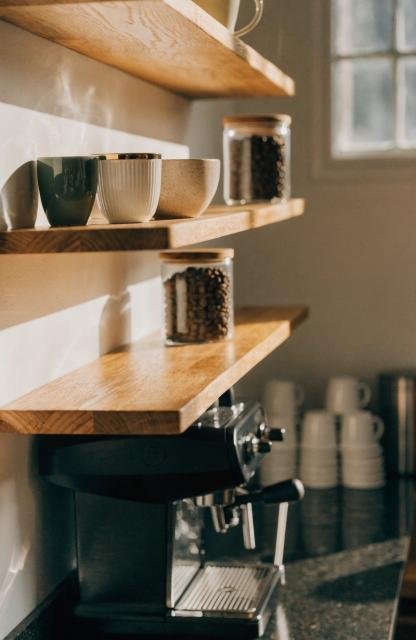
A set of floating wood shelves runs $30 to $70 depending on length and thickness, and basic mounting hardware is usually included.
It works because open shelving keeps everyday items visible and reachable, which matters for a station you’re using every morning, often before you’re fully awake.
3. Choose a Corner Nook for a Compact Setup
Tucking the whole station into an underused kitchen corner meant it didn’t compete with prep space anywhere else in the room.
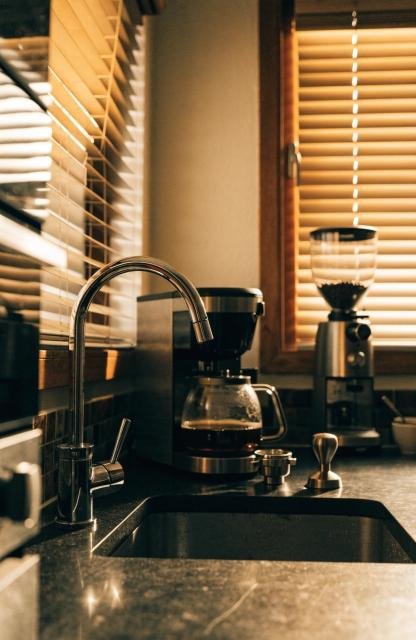
A small corner shelf unit sized for a compact coffee setup runs $40 to $90, fitting spaces a full buffet or cart never could.
It works because most kitchens have at least one underused corner, and a coffee station is one of the few things compact enough to make good use of that space.
4. Add a Rolling Cart for a Flexible Station
A rolling cart let me move the whole coffee setup out of the way when hosting a bigger dinner and roll it right back afterward.
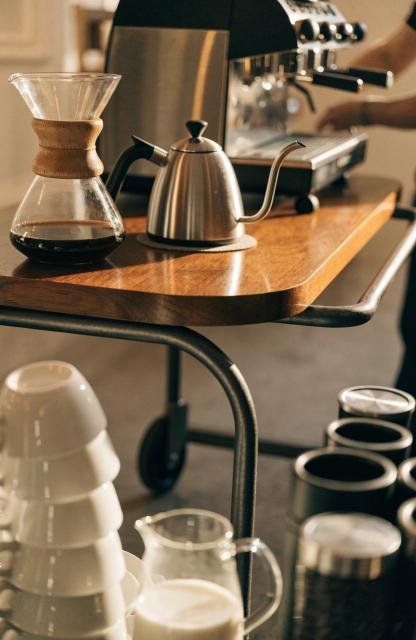
A wood and metal rolling cart runs $60 to $130 depending on size and number of shelves.
It works because it’s the only option on this list that can be relocated entirely, useful for smaller kitchens where counter space needs change throughout the day.
Storage and Organization
5. Use Labeled Glass Canisters for Coffee and Sugar
Swapping bags and boxes for labeled glass canisters is the single change that made the station look styled instead of just functional.
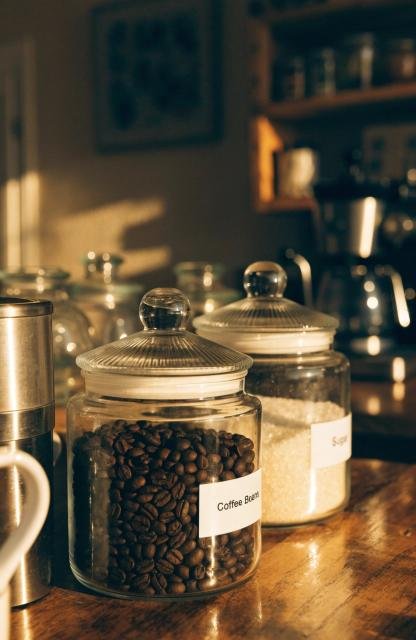
A set of three to four glass canisters with labels runs $25 to $50, and it keeps coffee beans and sugar fresher than their original packaging.
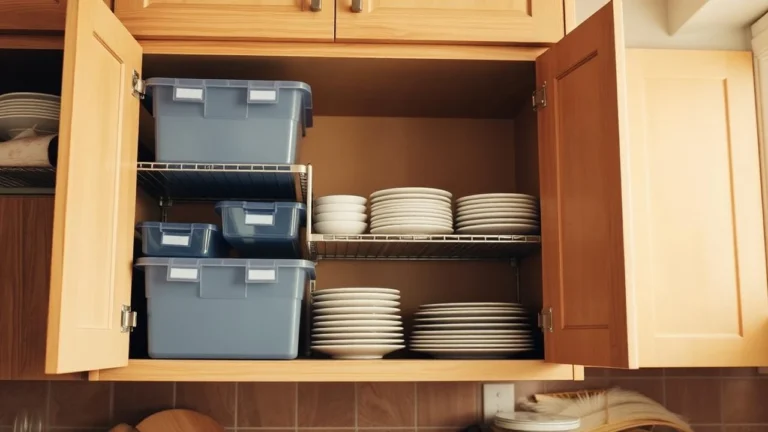
It works because it’s the same principle used in small kitchen cabinet organization, containing loose items in clear, labeled vessels keeps things both tidy and easy to find at a glance.
6. Add a Drawer Organizer for K-Cups or Pods
A slim drawer organizer kept our loose pods from turning into a jumbled pile every time someone dug through the drawer.
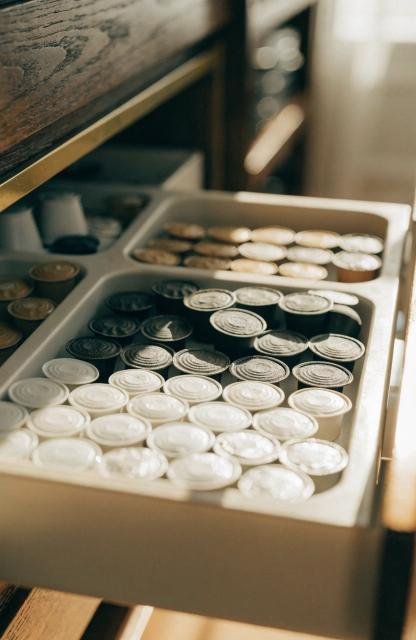
A K-cup drawer organizer runs $12 to $25, and it typically holds 30 to 50 pods sorted by flavor.
It works because it sorts pods by flavor at a glance, saving the small daily frustration of digging through a mixed pile before your coffee’s even started.
7. Store Syrups in a Small Caddy
Grouping the flavored syrups into a small caddy stopped them from tipping over every time someone reached past them for the sugar.
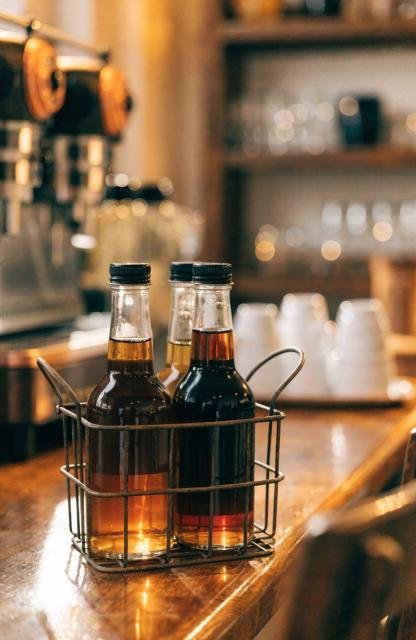
A small wood or wire caddy runs $10 to $20 and holds three to five syrup bottles upright and contained in one spot.
It works because it groups related items together and keeps bottles from tipping over on a shelf, the same containment principle that keeps any small station tidy.
8. Add a Basket for Extra Filters and Supplies
A woven basket on the lower shelf held backup filters and stirrers that used to just get shoved into a random kitchen drawer.
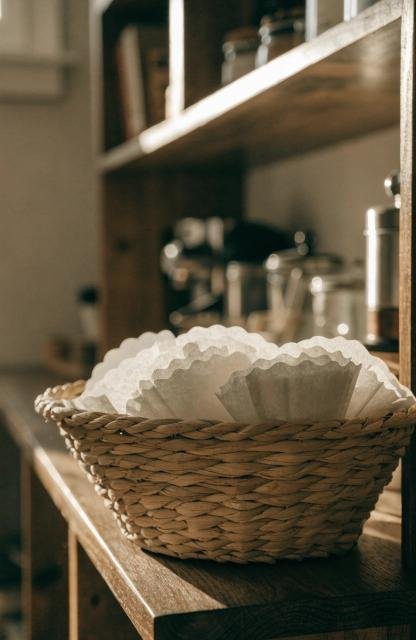
A small woven basket runs $12 to $25 and fits naturally into a farmhouse aesthetic while keeping backup supplies out of sight but still reachable.
It works because it gives backup supplies a defined home instead of letting them scatter into random kitchen drawers where they’re harder to find later.
Farmhouse Style Accents
9. Add a Reclaimed Wood Sign
A small reclaimed wood sign reading “Coffee Bar” was a simple addition that immediately signaled what the corner was for.
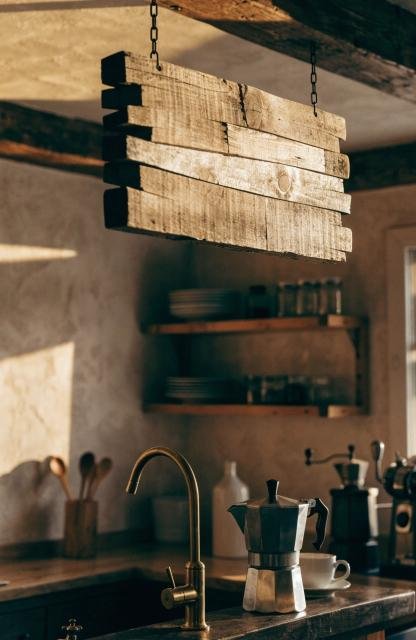
A reclaimed wood sign runs $20 to $40 depending on size and lettering style, and it’s one of the fastest ways to add farmhouse character to the space.
It works because a simple wood sign is one of the clearest visual shorthand for farmhouse style, and it doubles as a functional label for the station.
10. Use Galvanized Metal Trays
A galvanized metal tray under the coffee maker caught drips and added exactly the kind of industrial-farmhouse texture the space was missing.
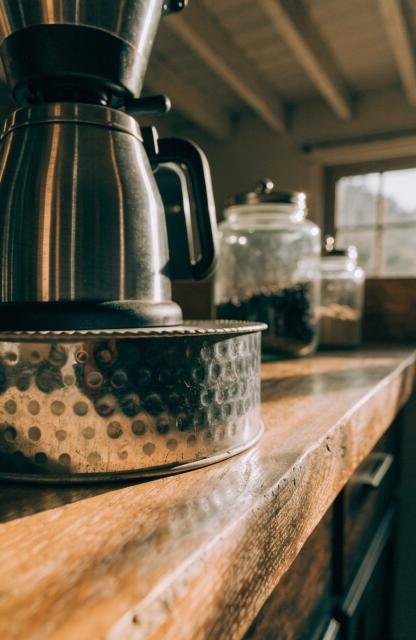
A galvanized metal tray runs $15 to $30 depending on size, and it doubles as both a drip catcher and a styling piece.
It works because the metal’s texture and slightly aged finish pairs naturally with wood tones, and it’s genuinely useful for catching coffee maker drips.
11. Add a Vintage-Style Scale as Decor
An old-style kitchen scale sitting beside the coffee maker looked purely decorative until I actually started using it to portion beans.
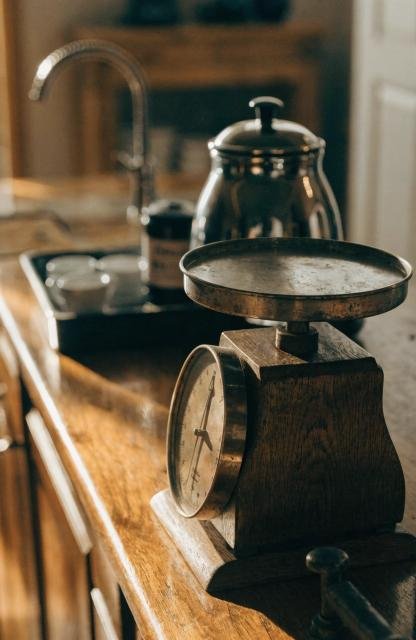
A vintage or vintage-style kitchen scale runs $20 to $45, and many reproduction versions are functional, not purely decorative.
It works because it’s a decorative object with real farmhouse-era authenticity, and finding a functional version means it’s not just taking up space for looks.
12. Incorporate Shiplap or Beadboard Backing
Adding a small shiplap panel behind the station turned a plain wall section into a proper backdrop for the whole setup.
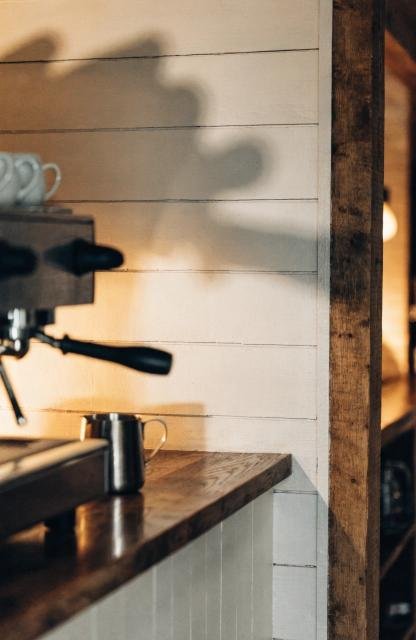
Peel-and-stick shiplap panels for a small backdrop area run $30 to $60, a much smaller project than paneling a full wall.
It works because it gives the station a clear visual boundary and texture, turning a stretch of plain wall into an intentional backdrop.
Mugs and Serving Pieces
13. Hang Mugs on a Wall-Mounted Rack
A row of hooks holding mugs by their handles freed up an entire shelf that used to be dedicated to mug storage alone.
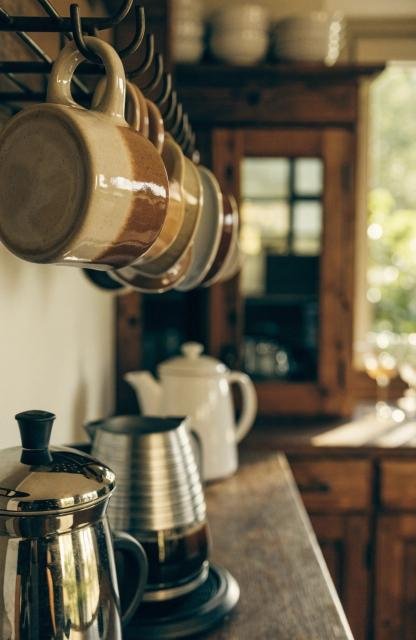
A wall-mounted mug rack with hooks runs $15 to $35 depending on length and how many mugs it holds.
It works because it frees up shelf space for other items while also turning the mugs themselves into part of the visual display.
14. Use Mismatched Vintage Mugs
A mismatched collection of vintage mugs added way more personality than the matching set I’d been using for years.
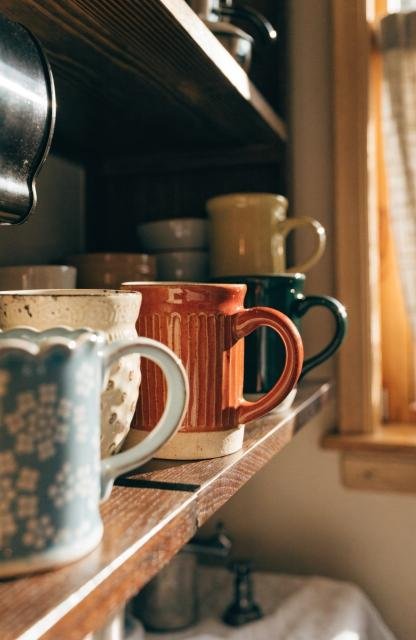
Individual vintage mugs from thrift stores or estate sales typically run $3 to $10 each, so a collection of six to eight costs $20 to $60 total.
It works because mismatched mugs read as collected over time rather than bought in a single box, which fits the general farmhouse aesthetic of gathered, lived-in pieces.
15. Add a Wood Tray for Syrups and Sweeteners
A simple wood tray corralled the sweeteners and stir sticks into one grab-able zone instead of scattered across the counter.
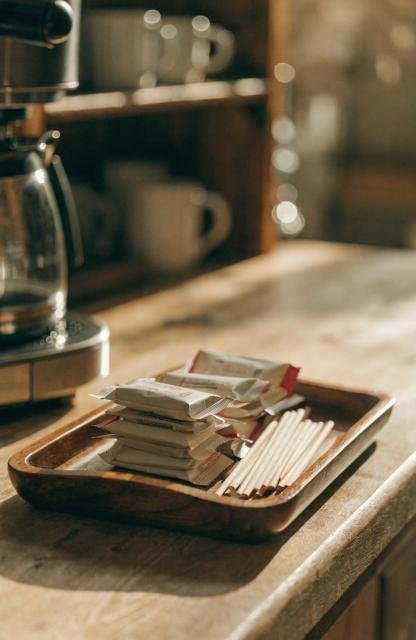
A wood serving tray runs $15 to $35 and works well for grouping smaller loose items into one visually contained area.
It works because a tray creates a defined boundary for loose items, so the counter reads as styled even with several small objects sitting out.
16. Include a Chalkboard Menu for Drink Options
A small chalkboard listing our go-to drink options turned into a fun daily habit of updating it with whatever we were in the mood for.
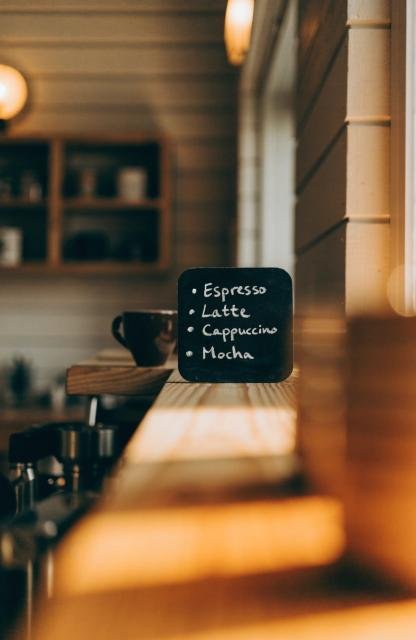
A small tabletop or wall-mounted chalkboard runs $10 to $25, and chalk markers for writing on it cost another $5 to $10.
It works because it adds a playful, café-style detail to the station, and it doubles as a genuinely useful reminder of what’s available that day.
Lighting and Finishing Touches
17. Add a Pendant Light Above the Station
A single pendant light over the buffet gave the whole corner its own defined lighting instead of relying on the kitchen’s main overhead fixture.
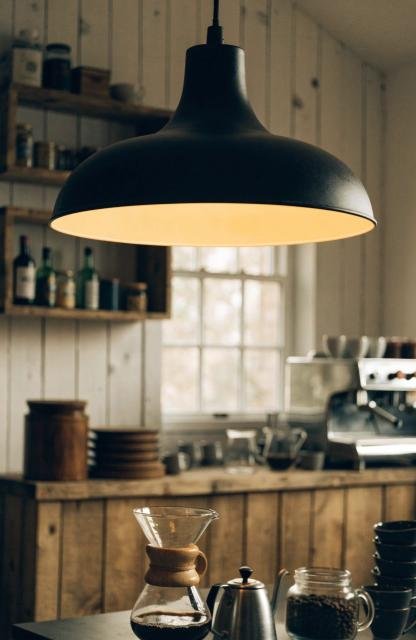
A small pendant light in a matte black or aged brass finish runs $40 to $90 including basic installation.
It works because dedicated lighting sets the station apart visually from the rest of the kitchen, making it read as its own designated space.
18. Use Warm String Lights Along the Shelf
A thin strand of warm lights tucked along the underside of the top shelf gave the whole station a soft glow in the early morning before the sun was fully up.
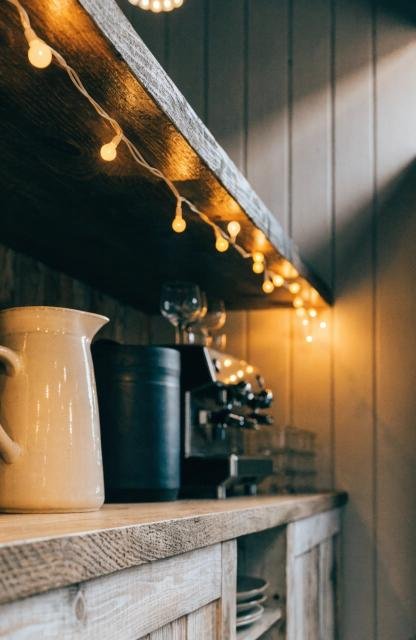
A short strand of warm white string lights runs $10 to $20, and battery-powered versions avoid needing an extra outlet.
It works because it’s genuinely useful during dark early mornings, not just decorative, giving enough light to make coffee without flipping on harsh overhead lighting.
19. Add a Small Potted Herb or Plant
A small potted rosemary plant on the corner of the shelf added life to the display and smelled great every time I brushed past it.
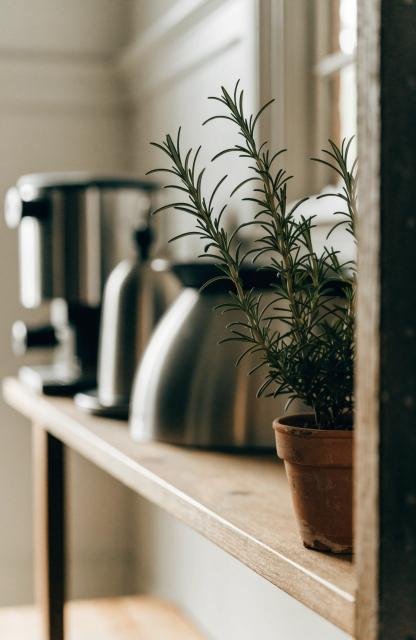
A small potted herb or low-maintenance plant runs $8 to $20 depending on variety and pot.
It works because greenery softens all the wood and metal surfaces around it, adding a living element to an otherwise static display.
20. Include Fresh or Dried Florals in a Pitcher
A vintage pitcher filled with a small bunch of dried florals became the finishing detail that made the whole station feel complete.
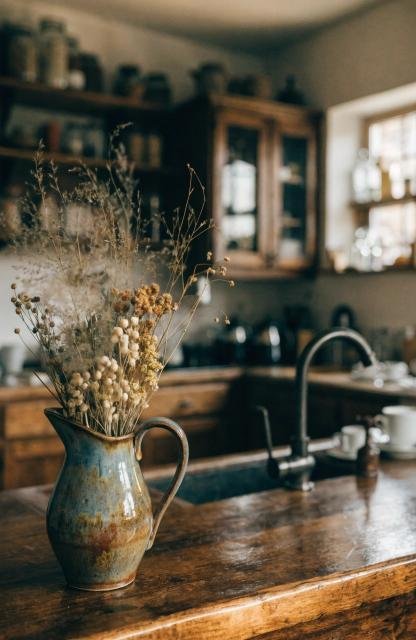
A vintage or vintage-style pitcher runs $10 to $25, and dried or seasonal fresh florals to fill it cost another $8 to $15.
It works because a pitcher of florals is a classic farmhouse styling detail, and dried options mean it lasts without needing regular water changes.
21. Add a Woven Basket for Napkins
A small woven basket holding folded napkins was the last detail I added, and it’s the one thing that finally made the station feel fully finished.
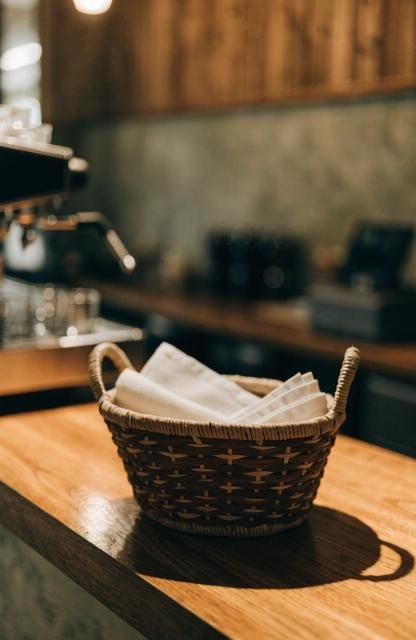
A small woven basket runs $8 to $18 and holds a stack of napkins upright and contained rather than loose on the counter.
It works because it’s a small, low-cost detail that adds one more layer of natural texture, tying the whole display together at the finishing stage.
Conclusion
If you’re starting from a bare counter, a secondhand buffet or a small floating shelf gives you the foundation to build everything else on, and it’s usually the single biggest expense on this whole list. Add labeled canisters and a mug rack next, since those solve the everyday function of the station, then finish with the farmhouse accents, a wood sign, a galvanized tray, dried florals, once the basics are working well. The coffee bar that gets used every single morning isn’t the most elaborate one, it’s the one where everything you need is exactly where you’d reach for it, half-asleep, without having to think.
FAQ
Where should I put a coffee bar in a small kitchen?
An underused corner or a narrow rolling cart both work well in tighter kitchens, as long as there’s an outlet within reach for the coffee maker.
What makes a coffee bar look farmhouse style specifically?
Reclaimed wood, galvanized metal, shiplap backing, and a warm, muted color palette are the details that shift a generic coffee station into a farmhouse-styled one.
How do I keep a coffee bar from looking cluttered?
Contain loose items in labeled canisters, trays, and baskets rather than leaving them out individually, the same containment approach that keeps any small kitchen station tidy.