
Friendsgiving is Thanksgiving with your friends, not a formal family dinner. Most groups hold it on a weekend near Thanksgiving. Everyone brings a dish, the dress code is relaxed, and the night runs as long as people want to stay.
You do not need a big budget or a perfect house to host it well. Pick one table look, set up one spot for photos, and give guests a few easy things to do.
Quick Picks
- Start with the table: a kraft paper runner, jam jar flowers, and low candles do most of the work.
- Keep it casual: mix and match plates work better than matching china for a friends night.
- Add one photo spot: a simple backdrop and a basket of props beat decor in every corner.
- Plan the food flow: a potluck sign up sheet and labeled dishes stop last minute stress.
- Split the cost: agree on who brings what before the day.
Did You Know?
Friendsgiving is a mix of the words friends and Thanksgiving. Many groups hold it the weekend before Thanksgiving so friends can eat together before they travel home for the family holiday.
Before You Start
- Count your chairs first. Add folding chairs if the guest list is longer than your seating.
- Send a sign up sheet with clear dishes, not vague categories. Ask each guest to bring one named dish.
- Ask about food allergies and diets early. Mark those dishes with a small card on the table.
- Pick a budget split in the invite. The host often covers the main dish and guests bring sides, drinks, or dessert.
- Keep the centerpiece under 12 inches tall so guests can see each other across the table.
The Table
1. Kraft Paper Runner Guests Can Write On
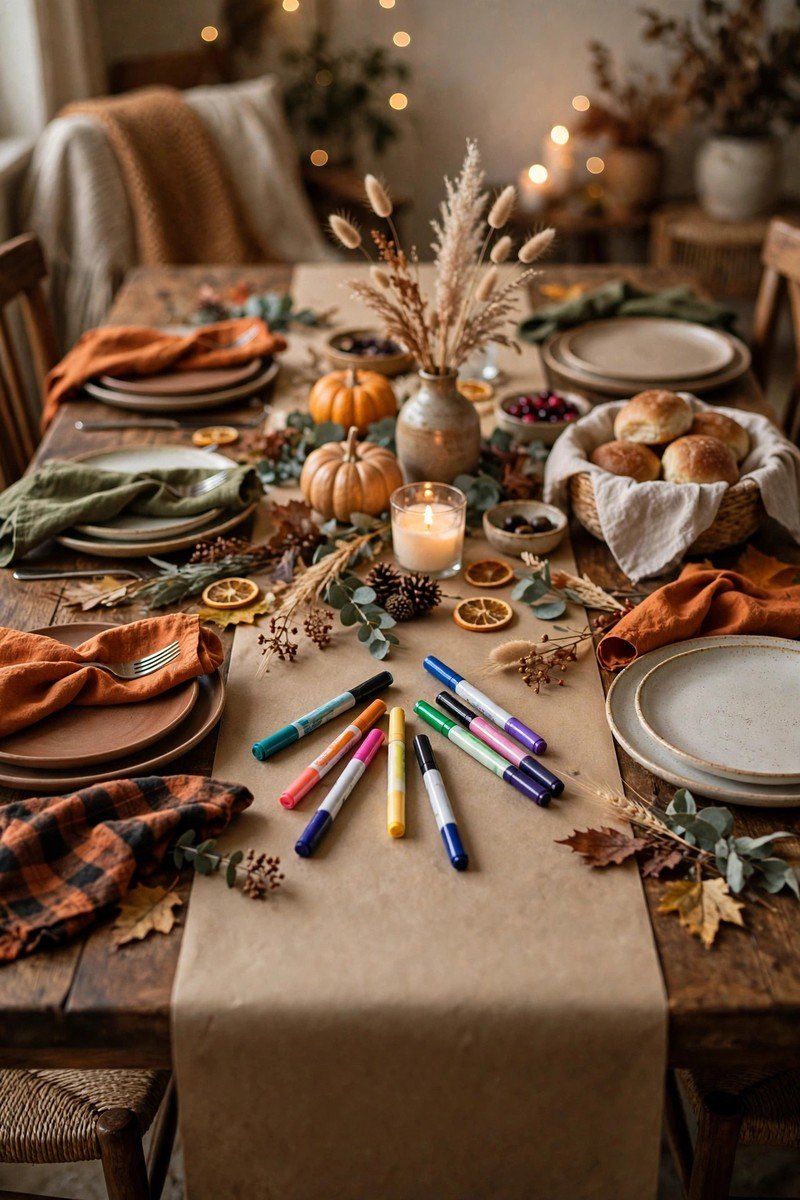
Roll brown kraft paper down the middle of the table and leave markers out.
Guests can write names, jokes, and notes during dinner. It costs little, it cleans up fast, and it gives the table a relaxed look.
Pro tip: Use a 36 inch wide roll for a standard table and tape the ends under the table so the paper stays flat.
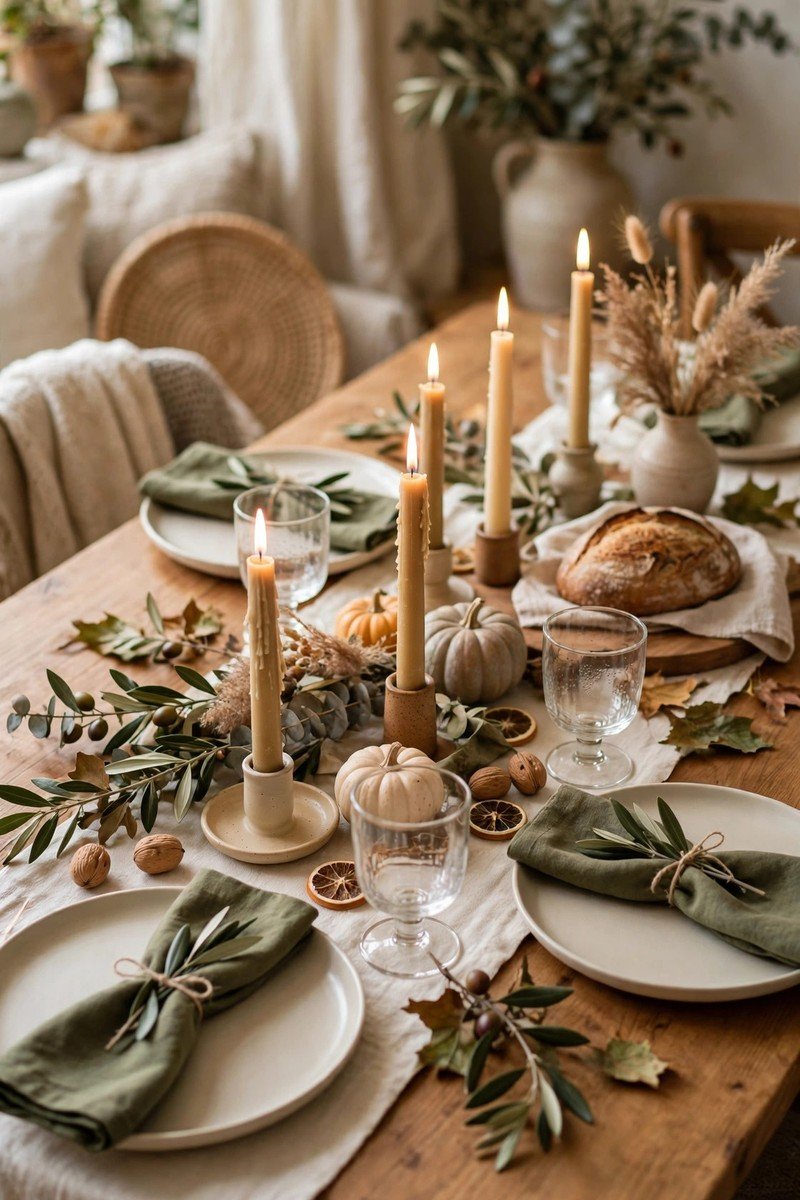
2. One Simple Color Palette for the Whole Table
Pick two or three colors and repeat them in the napkins, candles, and plates.
Cream, olive green, and warm wood work well for a calm table. Burgundy, blush, and brass suit an evening dinner.
Pro tip: Buy napkins in one color for about 8 to 12 dollars for a pack of 12, and let the plates stay mixed.
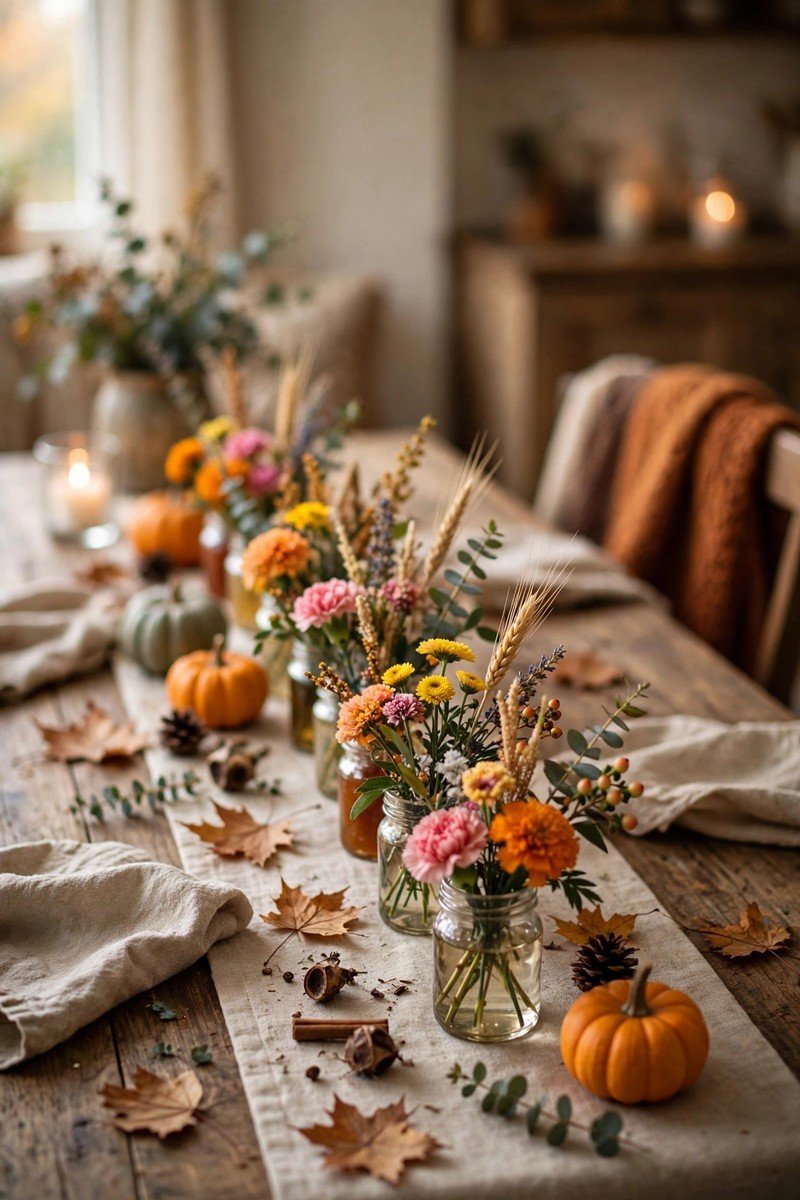
3. Jam Jar Flowers Down the Middle
Put grocery store flowers in small jam jars down the center of the table.
This takes about ten minutes and looks like far more work. Use three to five jars for a table of eight.
Pro tip: Spend 10 to 15 dollars on two bunches, split them across the jars, and add a sprig of greenery to each one.
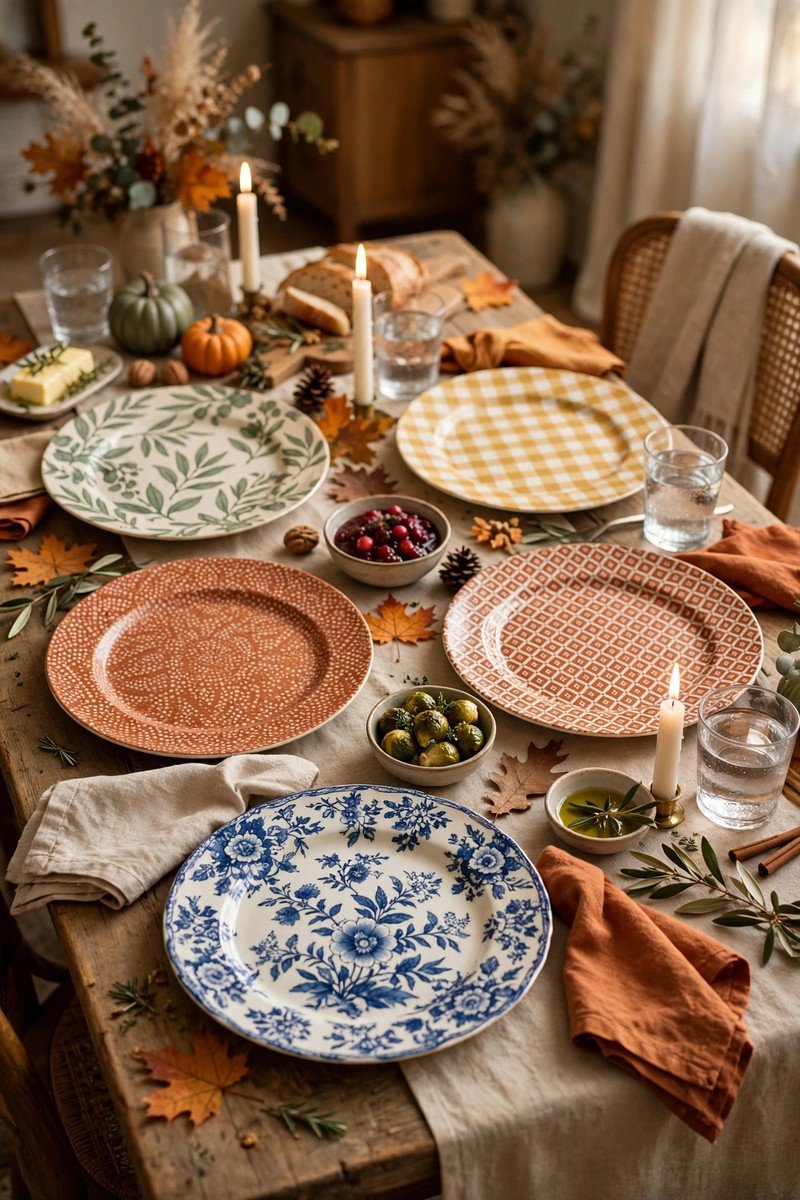
4. Mix and Match Plates on Purpose
Use plates you already own, even if they do not match.
Friendsgiving suits mixed plates. Thrift shops often sell single plates for under 1 dollar each.
Pro tip: Keep all the plates the same size, about 10 inches, so the table still looks neat.
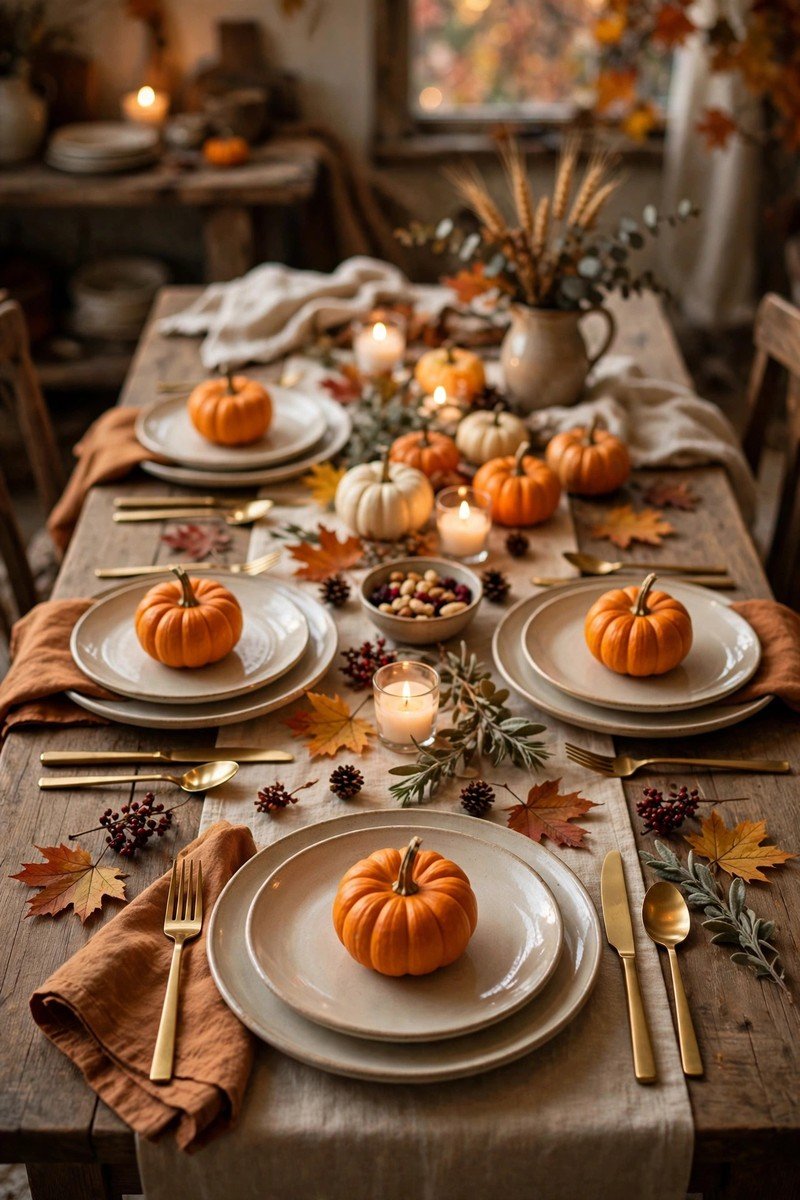
5. Mini Pumpkin at Every Place
Put one mini pumpkin on each plate as the place detail.
White pumpkins suit a calm palette. Orange pumpkins suit a classic fall table.
Pro tip: Mini pumpkins cost about 1 dollar each at a grocery store in November. Buy them two days before the party.
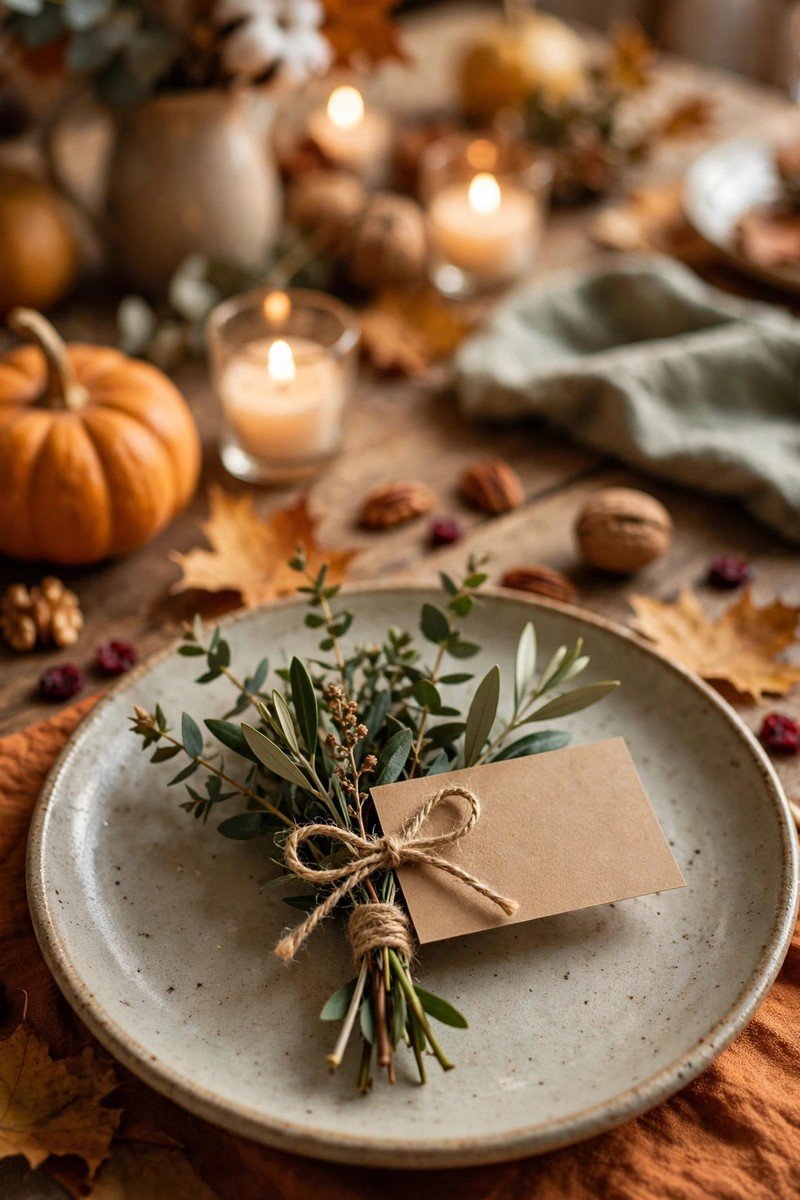
6. Mini Bouquet Place Cards
Tie a small bunch of greenery to each place card.
Write each guest name on a kraft card and tie it to the bunch with twine. Guests can take the bunch home.
Pro tip: Cut greenery stems to about 4 inches long so they sit flat and do not fall into the food.
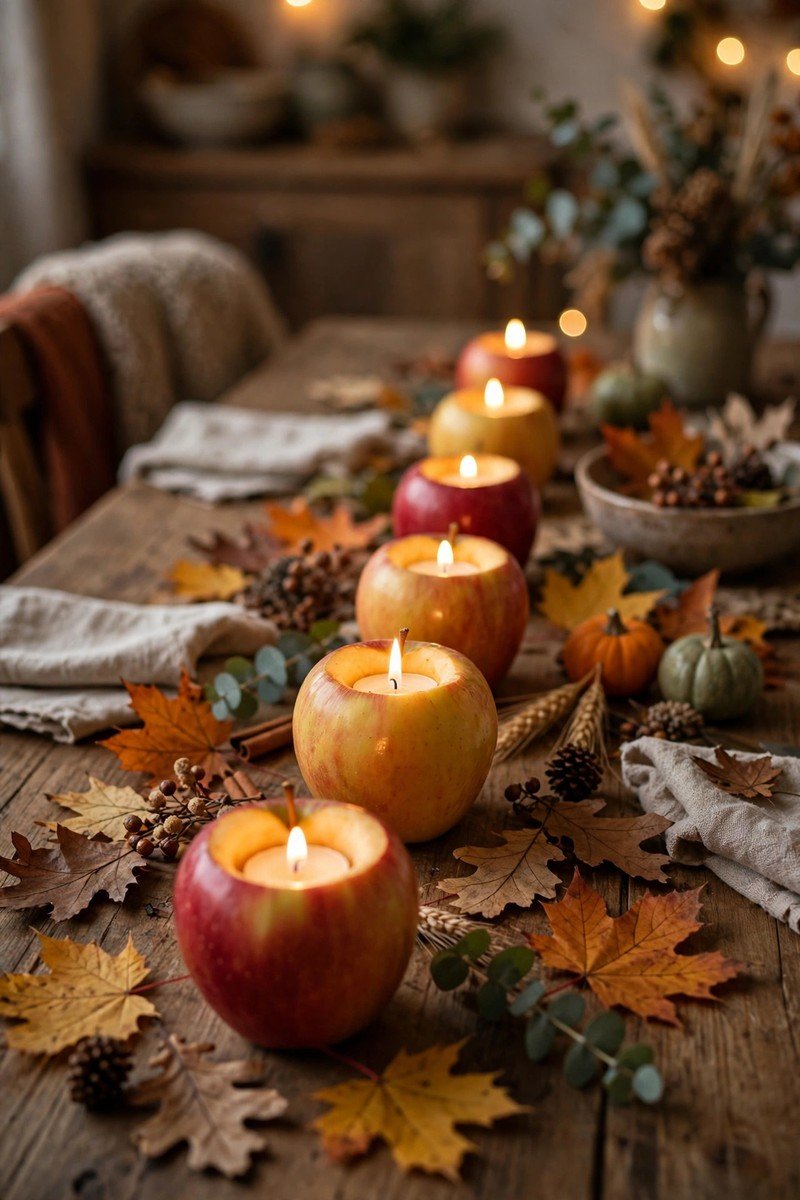
7. Apple Candle Holders
Cut a small hollow in an apple and set a tea light inside it.
Use firm apples such as Honeycrisp or Granny Smith. Line three of them down the table with a few leaves around them.
Pro tip: Make them the morning of the party, not the night before, so the cut apple stays fresh.
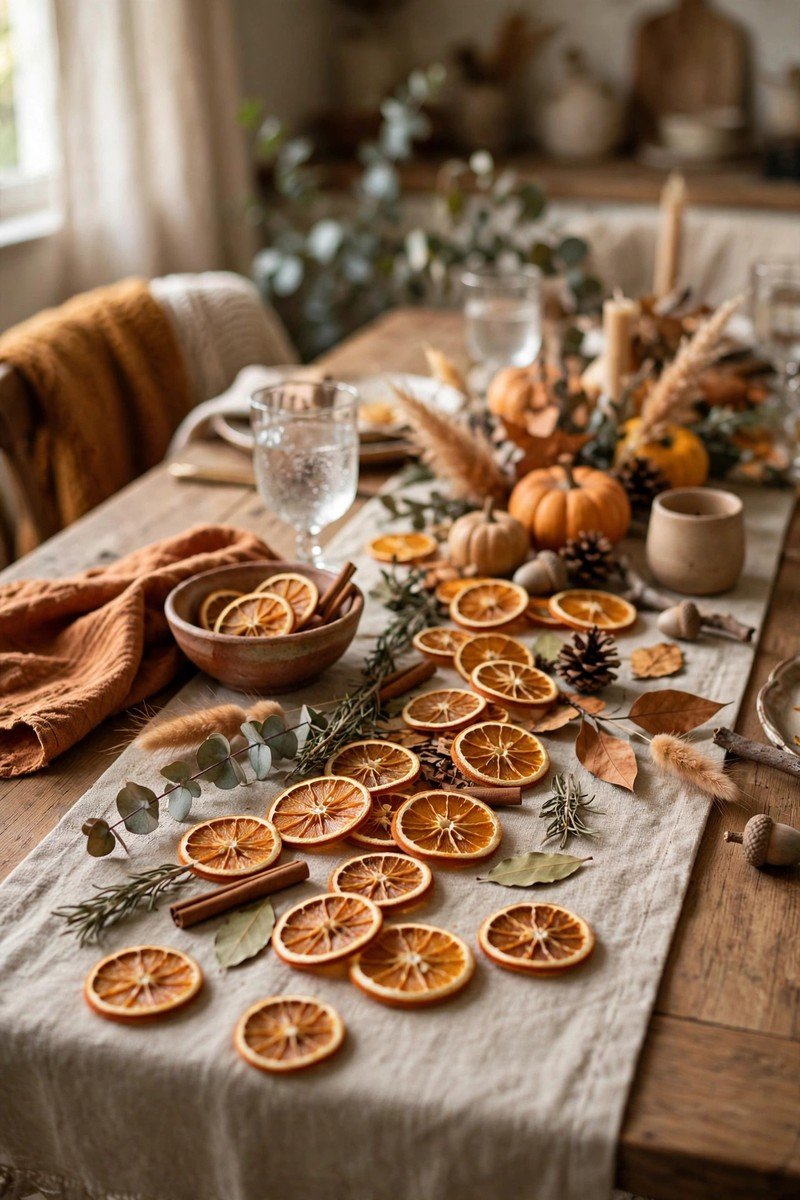
8. Dried Citrus Slices Scattered on the Table
Dry orange slices in the oven and scatter them along the runner.
Use orange slices for warm tones and lime slices for green tones.
Pro tip: Slice oranges about 1/4 inch thick and bake at 200 degrees for about 2 hours, flipping once.
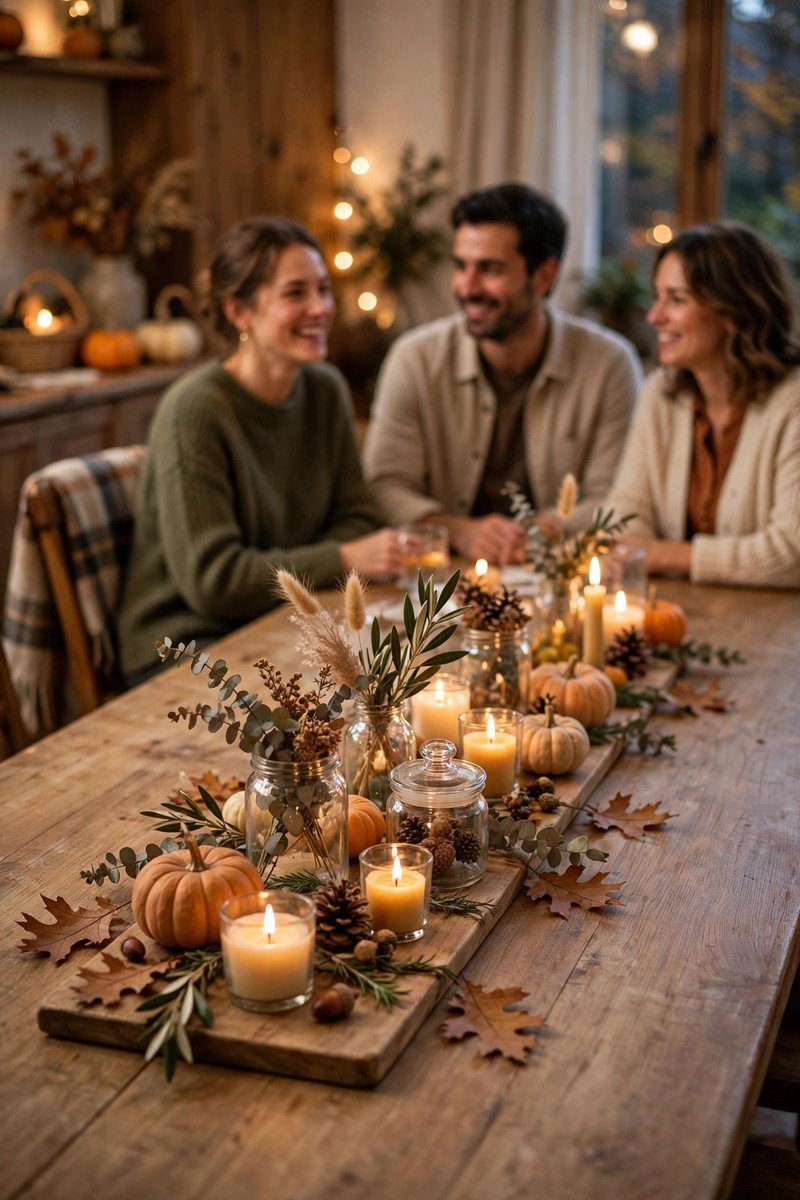
9. Low Centerpiece That Does Not Block Faces
Build the centerpiece low and narrow, not tall and wide.
Use a wood board with jars, candles, and small pumpkins.
Pro tip: Keep the full centerpiece under 12 inches tall and under 10 inches wide for a table of eight.
Around the Room
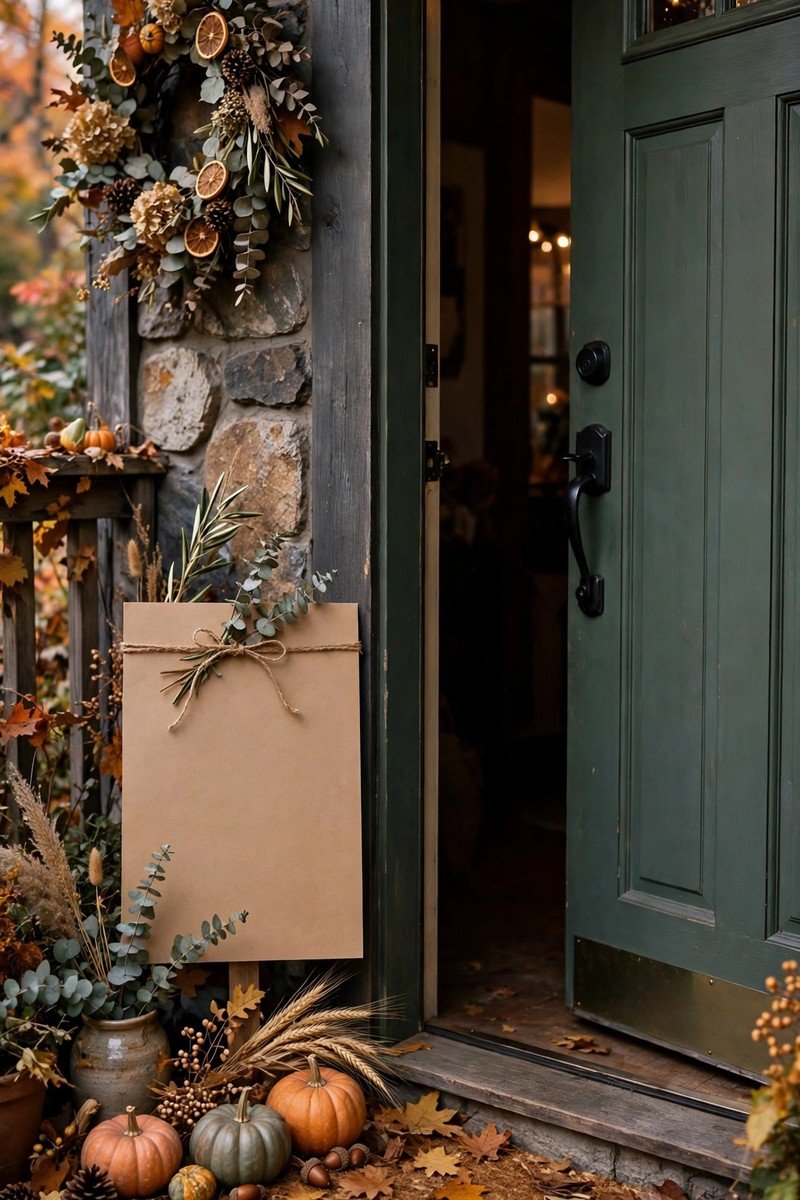
10. Welcome Sign by the Door
Put a simple Friendsgiving sign where guests see it as soon as they walk in.
A kraft paper sign or a small chalkboard works well. Write the party name and the time food will be served.
Pro tip: A chalkboard sign costs about 10 dollars and you can reuse it for other parties.
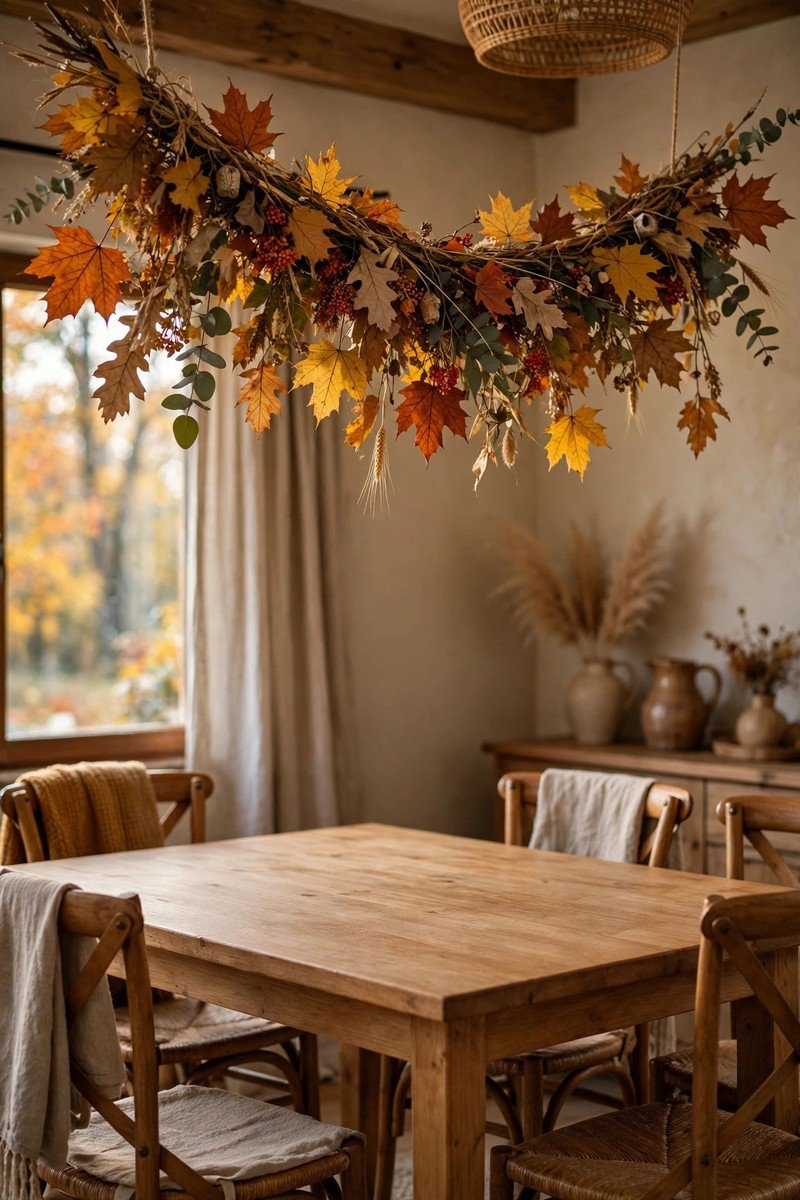
11. Leaf Garland Over the Table
Hang a leaf garland above the table or along a shelf behind it.
It adds fall color without taking up table space. Use a faux garland if you want to reuse it next year.
Pro tip: A 6 foot garland costs about 8 to 15 dollars. Hang it with small clear hooks, not tape, so paint stays safe.
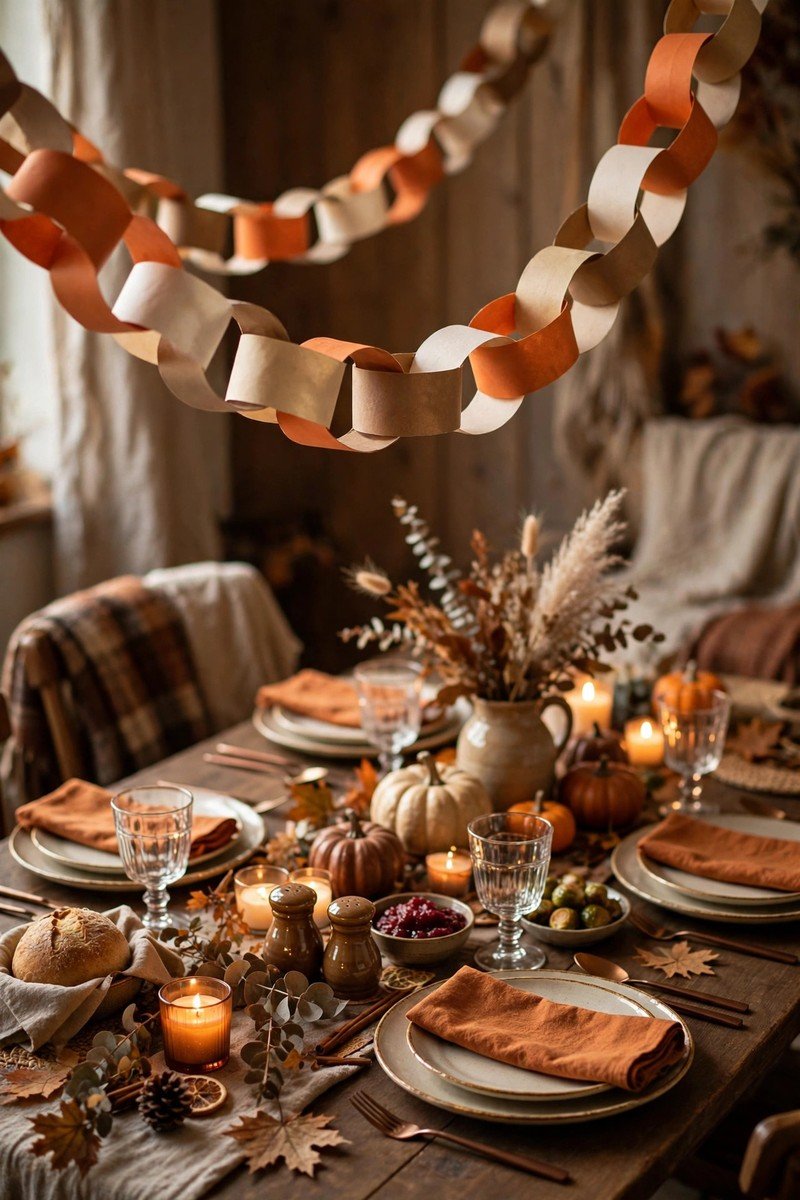
12. Paper Chain in Fall Colors
Cut colored paper into strips and loop them into a chain above the table.
This is one of the cheapest ways to decorate overhead. Use orange, cream, and brown paper.
Pro tip: Cut strips 1 inch wide and 8 inches long. One pack of colored paper makes a chain about 10 feet long.
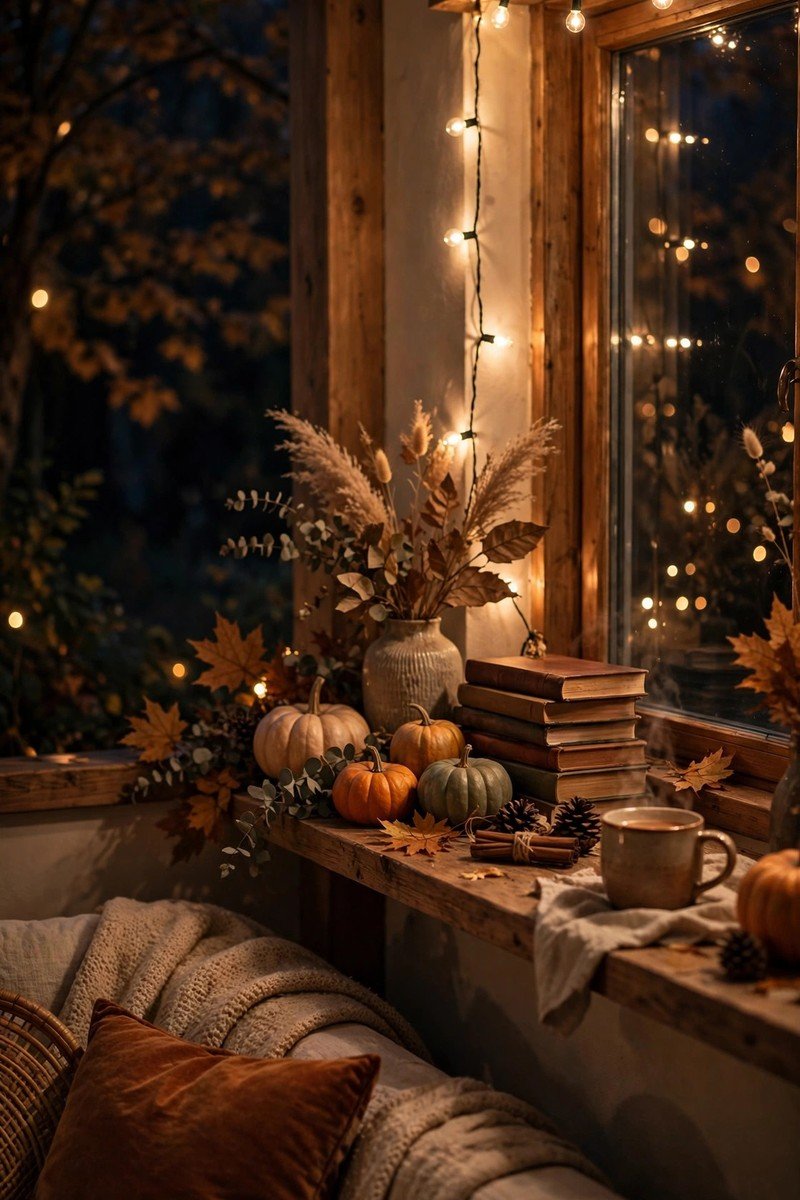
13. String Lights Instead of Bright Overhead Light
Turn off the main light and use string lights along a shelf or window.
Warm white lights make a small room feel like a party at once. Keep one lamp on in a corner so guests can still see the food.
Pro tip: Use one 33 foot string for a living room wall. Battery lights work best if you have no outlet nearby.
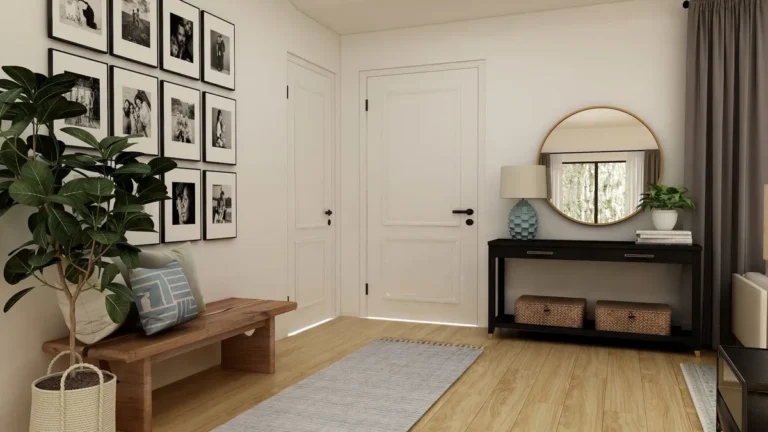
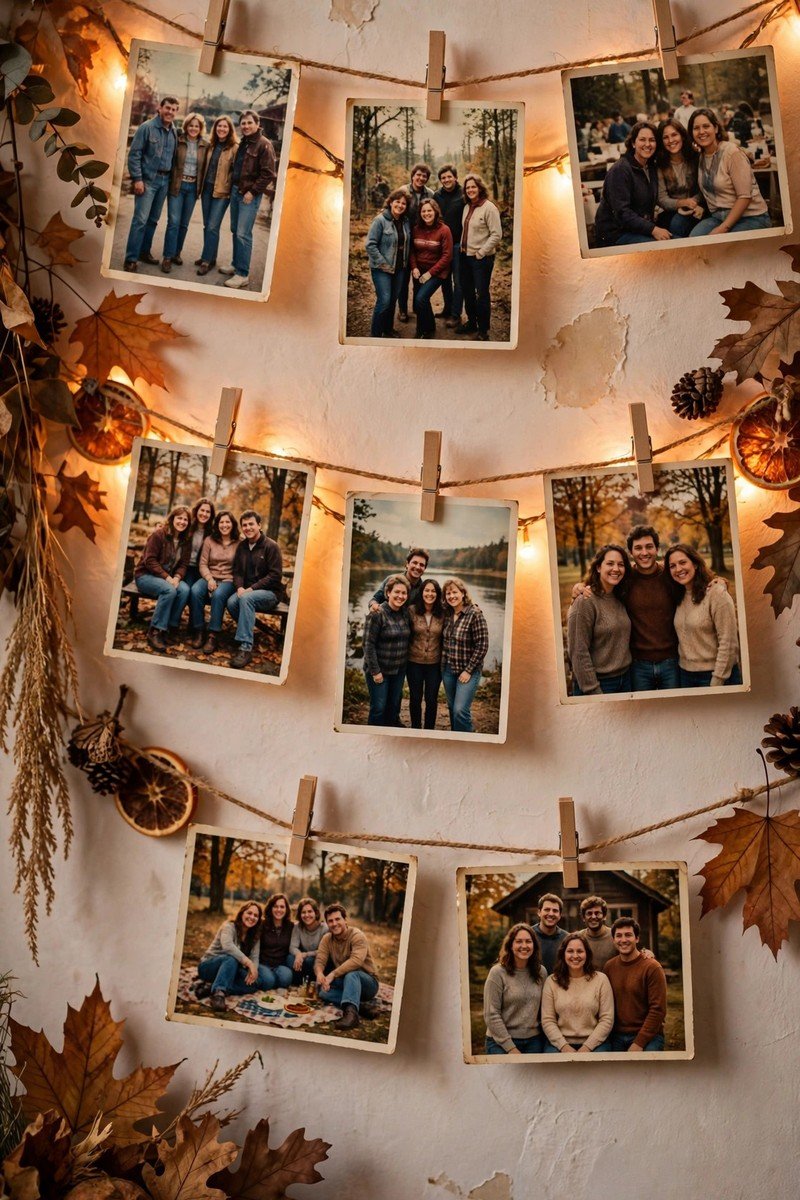
14. Memory Wall With Old Group Photos
Print old group photos and clip them to twine with small clips.
Hang the twine on one wall with string lights behind it. It costs under 20 dollars if you print at home or at a drugstore.
Pro tip: Print 15 to 20 photos at 4 by 6 inches. Mix old photos with recent ones so new friends feel included too.
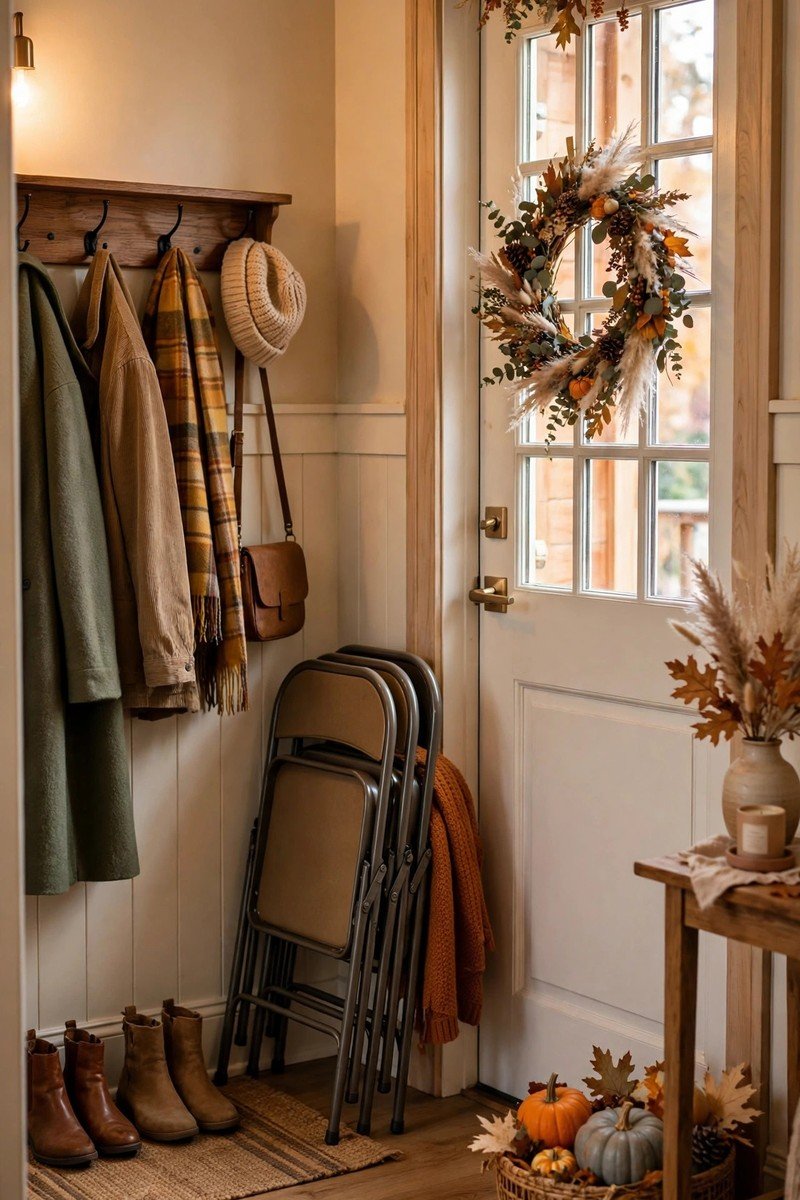
15. Coat Spot and Extra Seats Ready Before Guests Arrive
Clear one bed or a rack for coats and put a small sign on the door.
Set out folding chairs before dinner, not after guests arrive.
Pro tip: Borrow two folding chairs from a friend if you are short. Store them by the door so you can pull them out fast.
Food, Drinks, and Dessert Stations
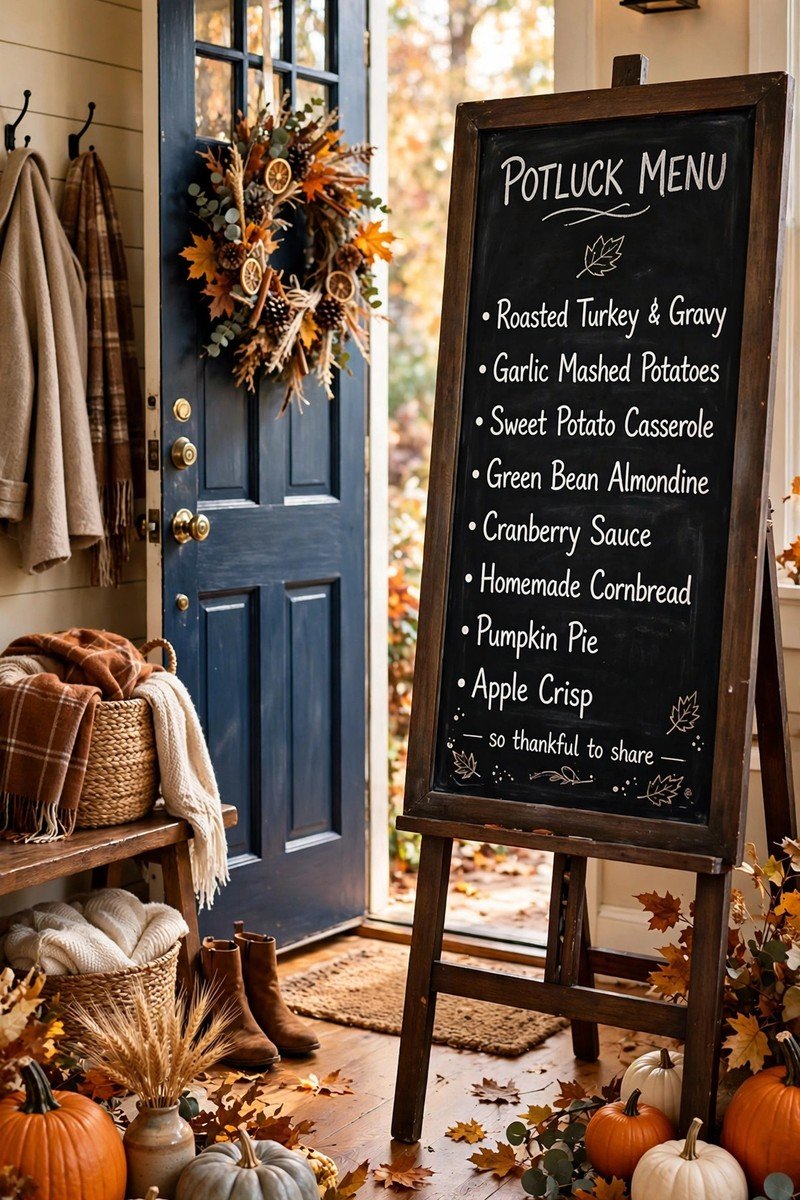
16. Chalkboard Potluck Menu by the Door
Write every dish and who made it on a chalkboard by the entry.
Guests get credit for their dish and no one has to ask what is in each pan. List allergies next to the dish name.
Pro tip: Update the board as dishes arrive. Use chalk markers so the writing stays clear all night.
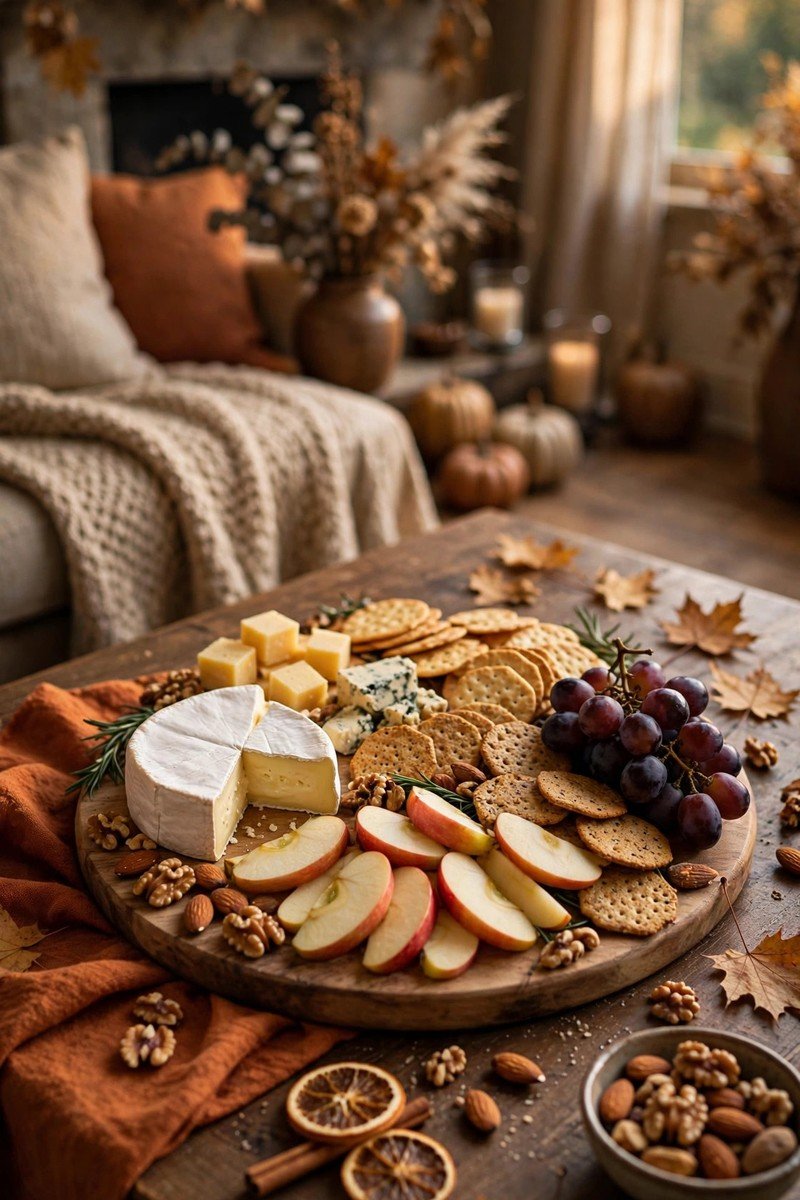
17. Grazing Board Ready When Guests Arrive
Set out a board with cheese, crackers, apple slices, grapes, and nuts before dinner.
Guests can snack while the oven finishes. Put the board on the coffee table or a side table, not on the dinner table.
Pro tip: Plan about 4 ounces of cheese per guest for the board. Set it out 20 minutes before guests arrive.
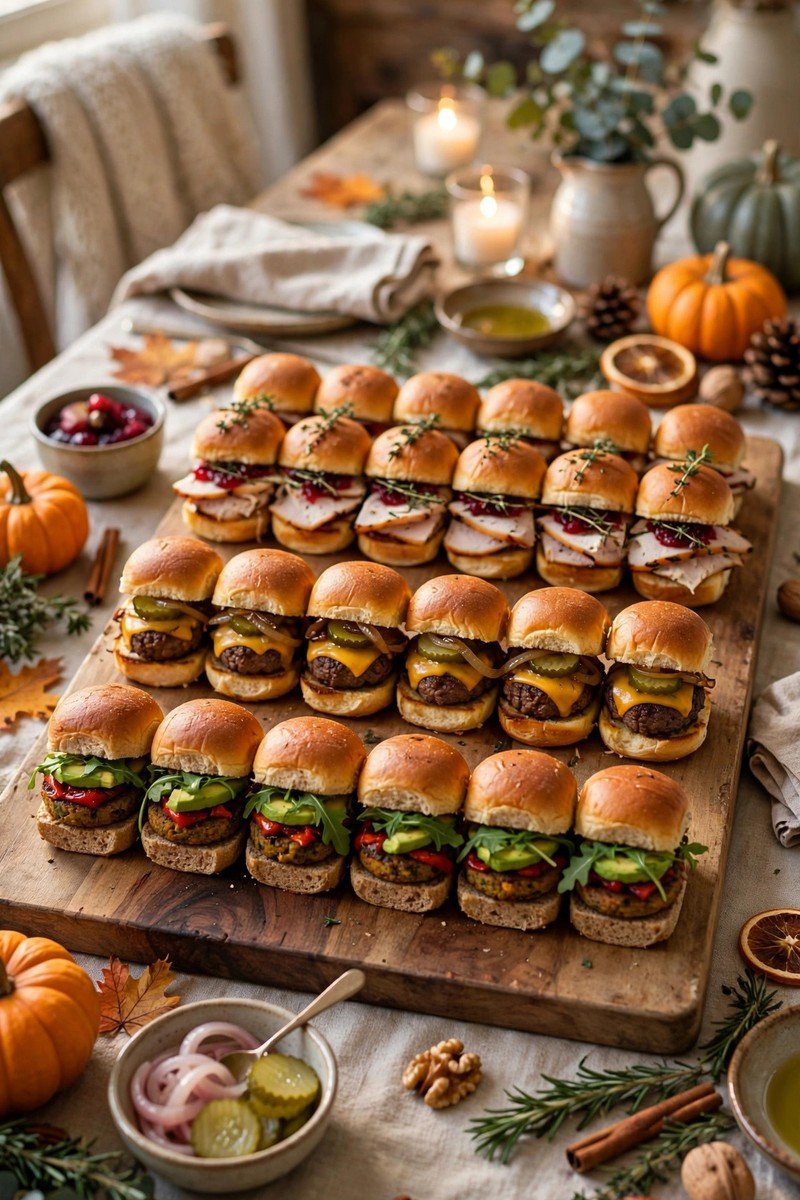
18. Slider Board for Every Eater
Make a slider board with turkey, beef, and veggie patties.
Small sliders also suit a potluck because guests can try more than one.
Pro tip: Cook patties ahead and keep them warm in a slow cooker on low. Label each row on the board.
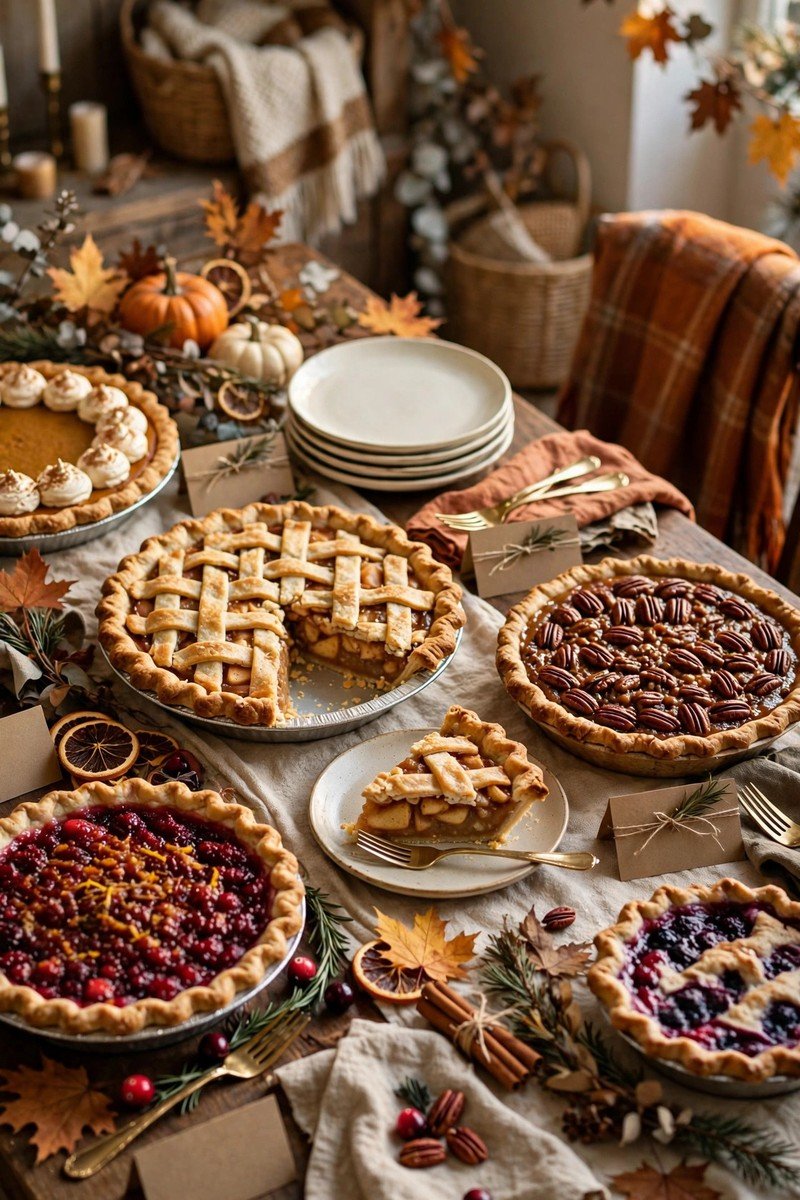
19. Pie Bar Dessert Table
Line up all the pies on one table with plates, forks, and small cards.
At least three guests will offer to bring a pie, so make the pies the dessert display. Add one dessert that is not pie, such as brownies, for guests who skip pie.
Pro tip: Cut pies into 8 slices each. For 12 guests, three pies plus one tray of brownies is plenty.
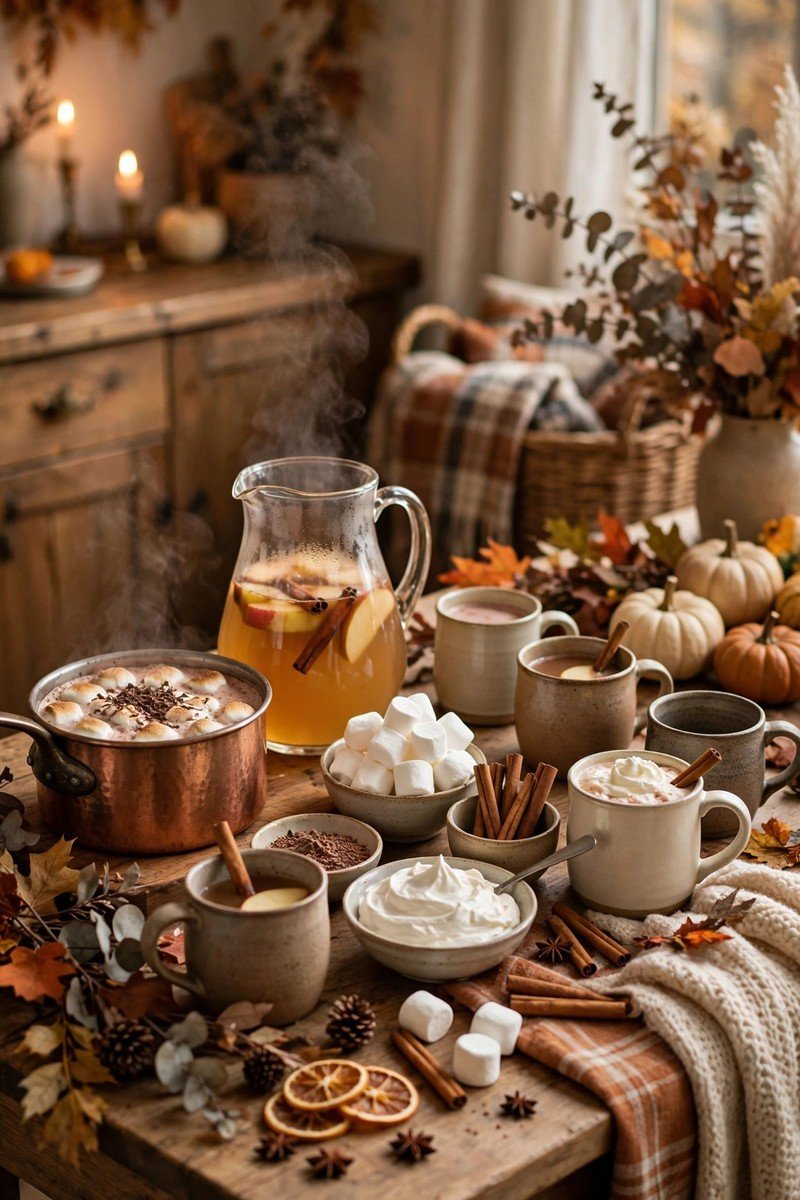
20. Hot Drink Station With Mugs and Toppings
Set up a small station with hot cocoa, cider, mugs, and toppings.
Add marshmallows, cinnamon sticks, and whipped cream in small bowls.
Pro tip: Put the station on a side table with a tray under the mugs. That catches drips and keeps the table clean.
Photos, Games, and Things to Do
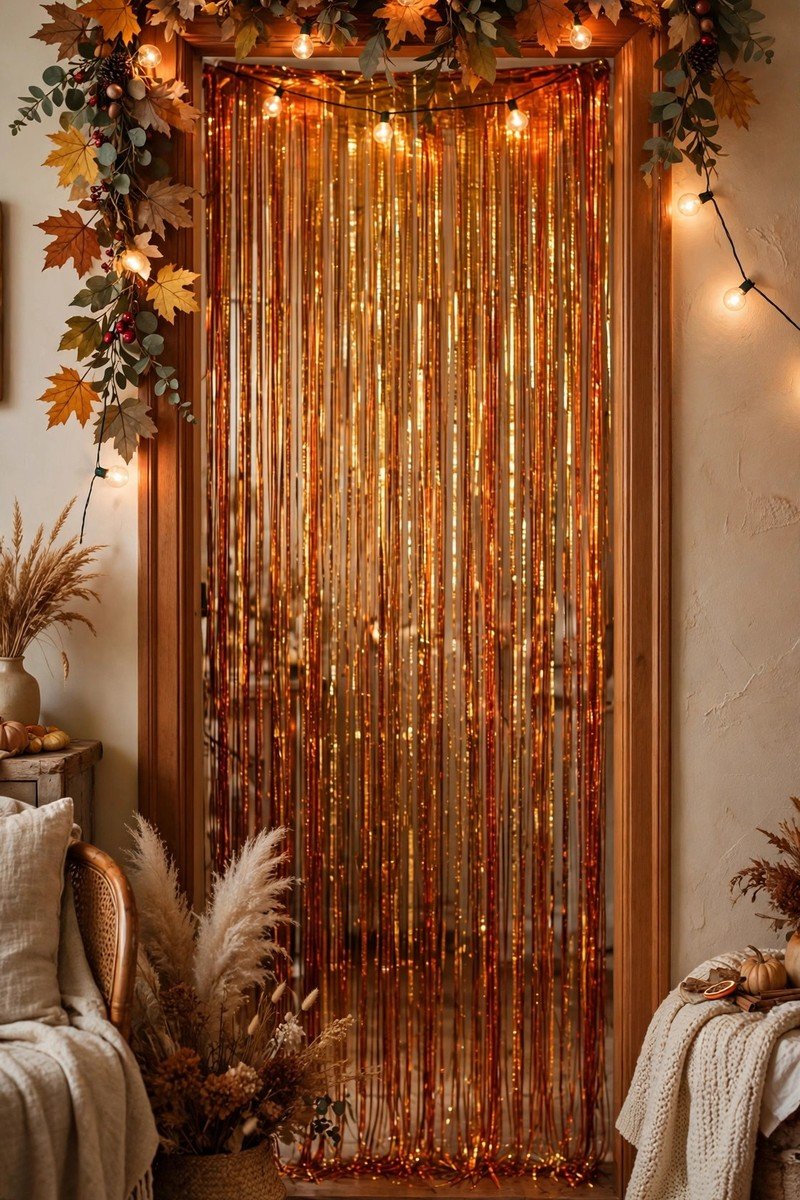
21. Simple Photo Backdrop With a Tinsel Curtain
Hang an orange or gold tinsel curtain in a doorway or on one wall.
Add a leaf garland above it and one string of lights. Guests will use it without being told to.
Pro tip: Hang the curtain at least 6 feet wide so groups of four can fit in the photo.
22. Photo Props in a Basket
Put hats, glasses, and small signs in a basket by the backdrop.
Keep the basket small so props do not end up all over the house. Add a sign that says take a photo.
Pro tip: A prop pack costs about 10 dollars. Pick props that match your palette so photos look clean.

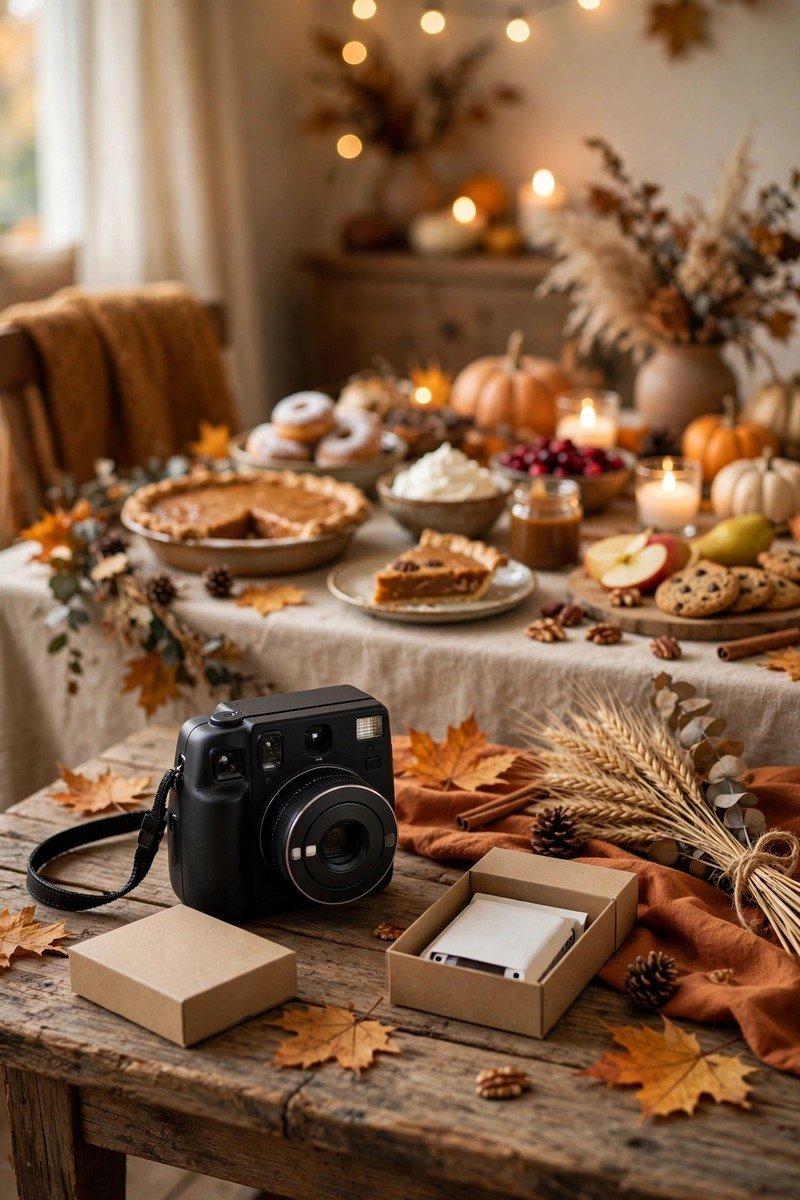
23. Instant Camera on the Table
Put an instant camera and one spare pack of film on the table.
Put the camera near the dessert table after dinner.
Pro tip: One pack of film has 10 shots. Buy two packs for a group of 12 so the camera does not run out early.
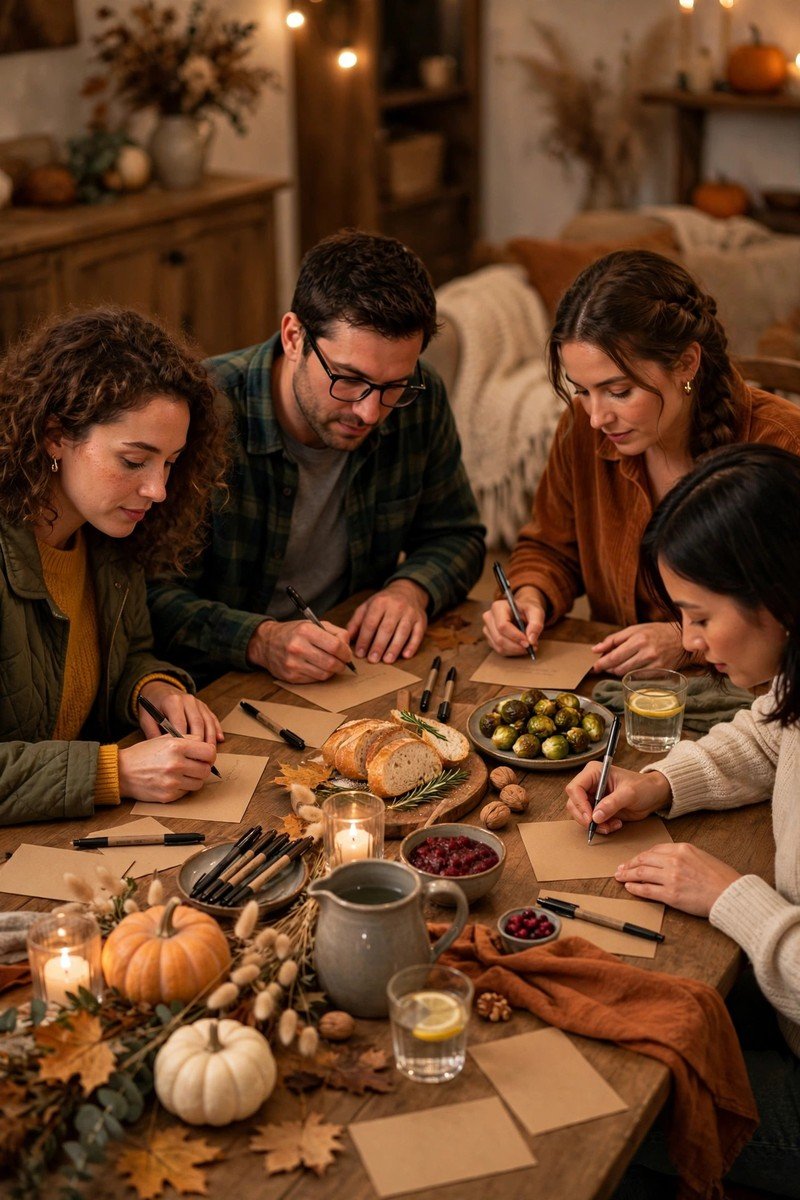
24. Gratitude Cards Guests Fill In
Set a card at each place and ask guests to write what they are thankful for.
Keep it short and optional. No one should feel put on the spot.
Pro tip: Use kraft cards about 4 by 6 inches and a pen at each place. Collect the cards in a jar to keep for next year.
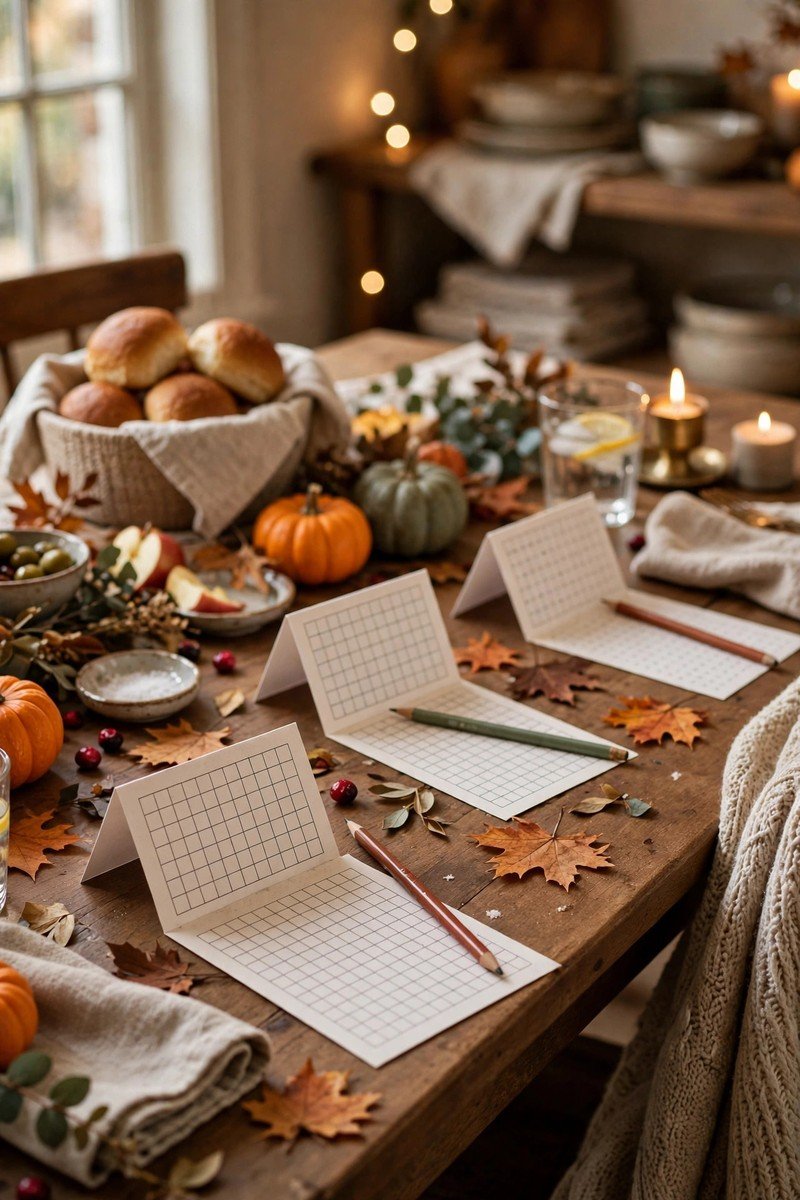
25. Word Search Place Cards With Group Names
Make a small word search for each place card using group names and shared jokes.
Guests can work on it while they wait for food. Use a free word search maker online and print them at home.
Pro tip: Keep the grid small, about 10 by 10 letters, so it takes 5 minutes, not 20.
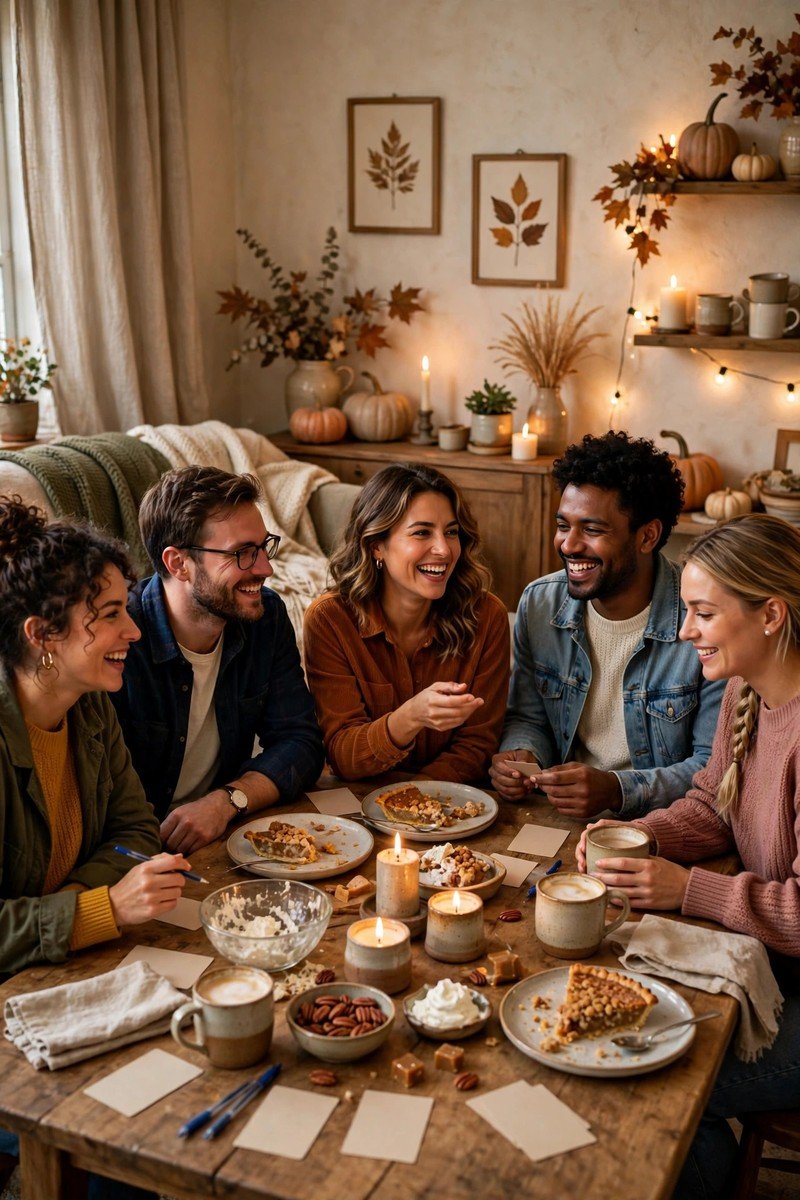
26. Group Trivia After Dessert
Write trivia questions from one fact each guest sends in before the party.
Ask about first jobs, pets, trips, and funny moments from the year. Keep score on the chalkboard if you want a winner.
Pro tip: Ask each guest for one fact by text three days before the party. That gives you time to write 12 to 15 questions.
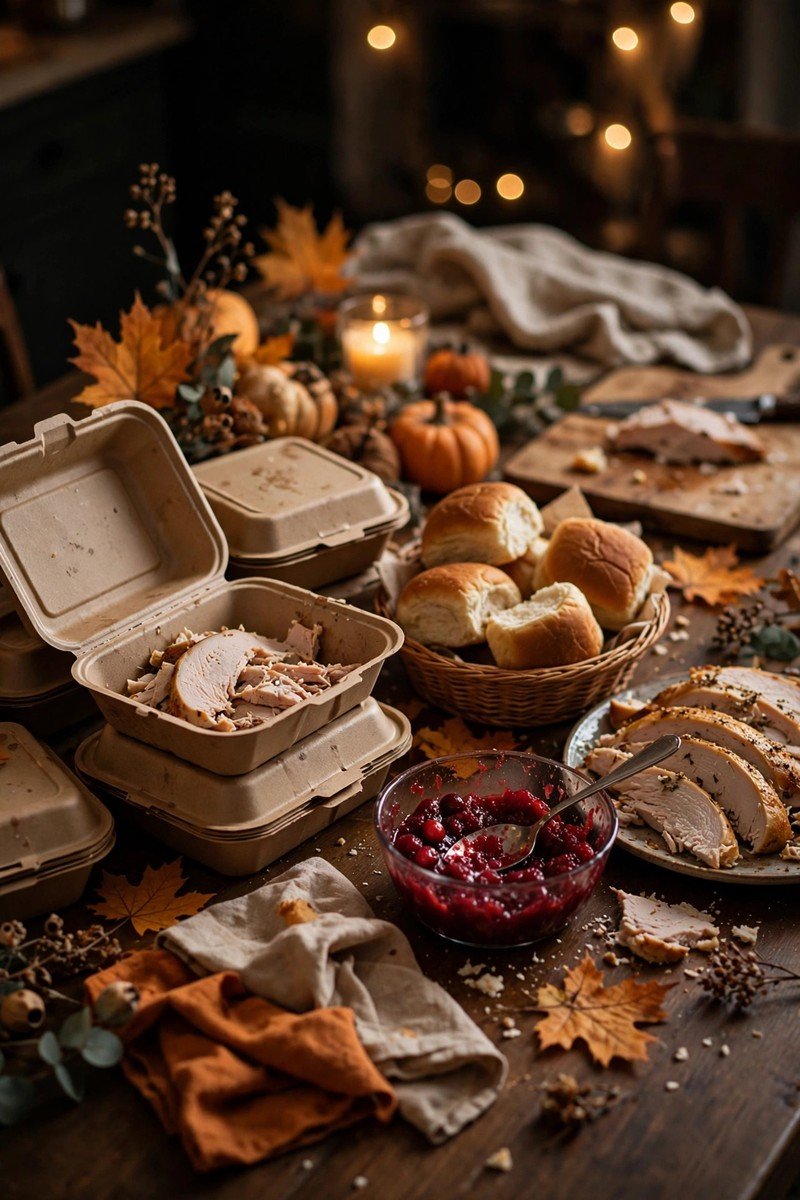
27. Leftover Station and Take Home Boxes
Set out take home boxes and a sandwich station at the end of the night.
Use soft rolls, cranberry sauce, and leftover turkey for sandwiches. Stack cheap deli boxes by the food table before dessert.
Pro tip: Buy a pack of 20 deli boxes for about 5 dollars. Label one box per guest so no one takes food meant for someone else.
Keep the Friendsgiving Table Casual on Purpose
Friendsgiving decor ideas work when the table looks relaxed, not formal. Use a kraft paper runner guests can write on, because it sets the tone the moment people sit down. Mix plates on purpose, with two or three patterns in the same colours, because matching sets feel like a formal dinner. Keep the centrepiece low and simple, such as jam jar flowers or mini pumpkins, and under 10 inches high, so friends can see each other across the table. Skip the place cards, or use one funny card per person, because friends choose their own seats. Leave the good glasses in the cupboard and use sturdy ones, because a relaxed table means elbows on the table and refills all night.
Plan the Potluck So the Table Does Not End Up With Five Desserts
A Friendsgiving potluck needs a plan, or everyone brings dessert. Make a simple sign up list with slots: 1 main dish, 2 sides, 1 salad, 1 bread, 1 dessert, and 1 drink. Ask each guest to write what they bring, not just the slot, because two people can both bring mashed potatoes. Set a serving size: one dish should feed 8 to 10 people, about 2 to 3 quarts for a side. Put a label card next to each dish with the name and the main ingredients, because someone always has an allergy. Keep one oven slot free for reheating, and plan 20 minutes of oven time per dish, because five dishes cannot all reheat at once. Have take home boxes ready, because a good potluck always makes too much food.
Games and Photos That Fit a Small Living Room
Friendsgiving fun has to fit the room you have. Set up one photo spot against a blank wall, about 6 feet wide, with a tinsel curtain and a basket of props, because one good spot beats props scattered everywhere. Keep games at the table, such as trivia cards or a word game, because a game that needs floor space will not happen in a full room. Put an instant camera on the table with one pack of film, about 10 shots, and let guests take turns, because a camera that sits on a shelf takes no photos. Plan one group game after dessert, about 20 minutes long, because a game that runs an hour loses the room. Clear the plates first, because games on a table full of dishes end with a spill.
What a Casual Friendsgiving Costs Per Guest
A casual Friendsgiving costs about 8 to 15 dollars per guest when everyone brings a dish, and that covers the table decor, paper goods, and drinks. If the host provides the main dish, plan about 15 to 25 dollars per guest, because a turkey or a large roast is the biggest cost. Decor itself should stay under 30 to 50 dollars for the whole table: a paper runner, jam jars, mini pumpkins, and a few candles. Buy drinks in bulk, about 2 drinks per guest for the evening, and keep one non alcoholic option for every 4 guests. Split the cost openly with a simple message before the day, because friends would rather pay 10 dollars each than watch the host pay for everything.
Common Mistakes to Avoid
- No sign up sheet: you end up with five desserts and no main dish. Send a sheet with named dishes.
- Too much in the oven at once: three casseroles and a turkey do not fit in one oven. Ask guests to bring dishes ready to serve.
- Tall centerpieces: guests cannot talk across a tall arrangement. Keep decor low and narrow.
- Formal china for a casual night: matching china feels stiff for friends. Mixed plates and paper napkins suit the night better.
- No plan after dinner: the night ends early if there is nothing to do. Plan one game or one photo activity after dessert.
- No end time: the host ends up cleaning at midnight. Put a rough end time in the invite, such as 10 pm.
Friendsgiving works best when the decor stays simple and the night stays easy. If you want a more formal family table for the main holiday, see our Thanksgiving table decor ideas and our vintage Thanksgiving decor ideas. For more fall table looks, see our fall table centerpiece ideas.