A plain living room can feel flat even when the furniture is good. White walls, a grey sofa, and one plain rug do the job, but they give the room no energy. A colorful living room is different. It makes you smile when you walk in, and it still feels calm enough to relax in every evening.
This guide gives you 20 colorful living room ideas that bring the room to life without a full remodel. Most of them are small changes, like paint, pillows, a rug, or a bright chair. If you want a softer room instead, our cozy living room ideas show a different look.
Quick Picks
- Start with one bold move. One bright sofa, one painted wall, or one patterned rug is enough to set the mood.
- Use the 60 30 10 rule. Give 60 percent of the room to a calm base, 30 percent to a second color, and 10 percent to a bright accent.
- Repeat each color three times.
- Test color in your own light. A shade that looks cheerful at noon can look much darker under warm lamps at night.
- Keep one quiet surface. Wood, linen, or plain cream gives bright colors a place to rest.
Did You Know?
Color does more than change how a room looks. Warm colors like orange and coral can make a large room feel closer and more social. Cool colors like teal and blue can make a small room feel fresh and open. That is why the same bright shade can feel right in one room and wrong in another.
Before You Start
- Pick three colors before you shop, so you do not come home with six shades that clash.
- Test paint on a large card and move it around the room in morning and evening light.
- Measure the sofa wall, the rug area, and the window before you order paint, a rug, or curtains.
- Keep the ceiling and trim light unless you plan a bold ceiling on purpose.
Bold Walls and Paint
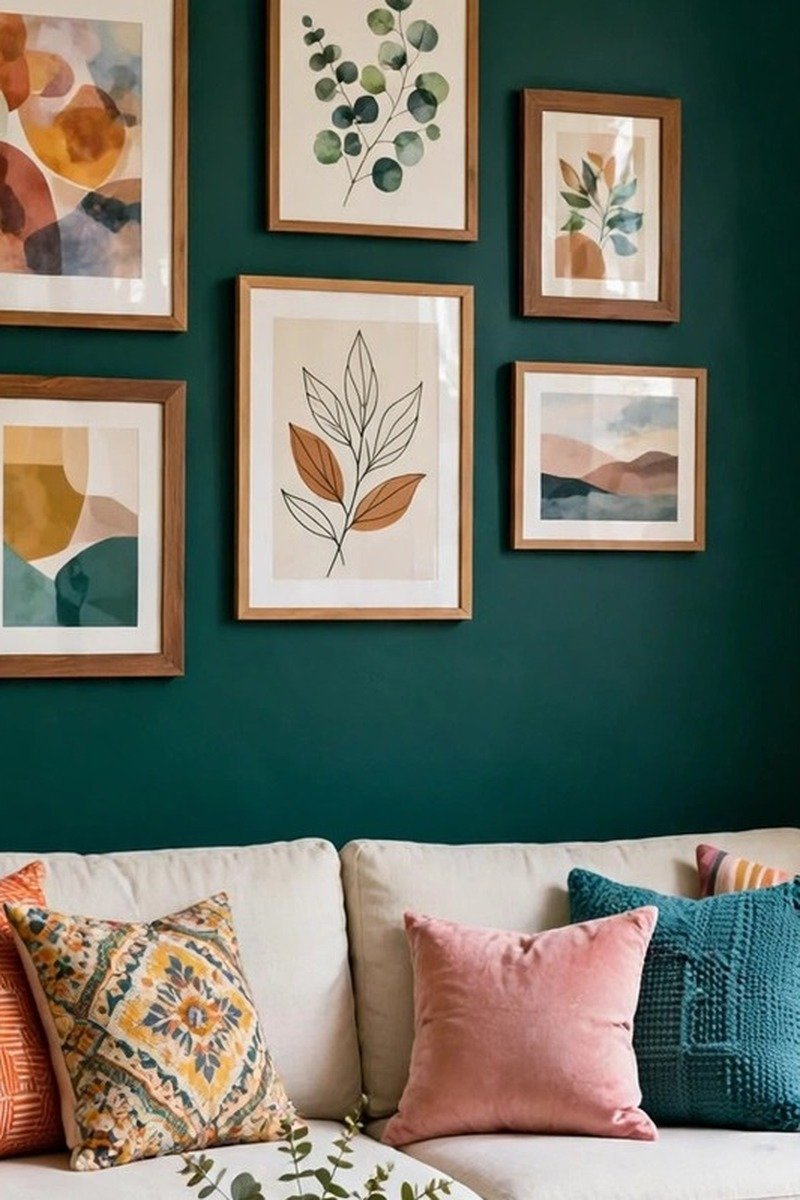
1. Paint One Jewel Tone Accent Wall
A deep emerald or sapphire wall gives a living room depth at once. The rich color frames the sofa, makes art stand out, and keeps the rest of the room calm.
Pro tip: One accent wall in a normal living room needs about 4 liters of paint for two coats. A good interior paint costs about 30 to 50 dollars per 4 liter can, and the job takes about 3 to 4 hours with drying time.
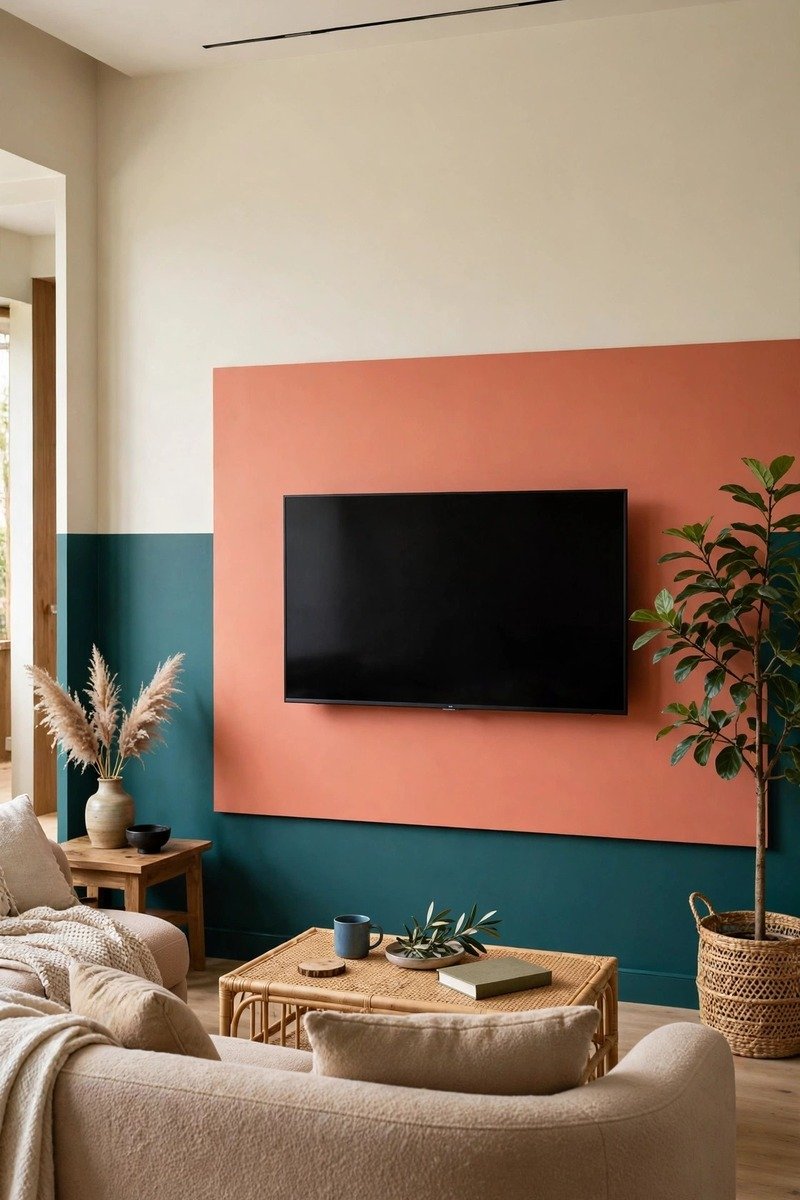
2. Try Color Blocked Walls
Color blocked walls split the wall into large blocks of solid color. Paint the lower half teal and the upper half cream, or paint one wide panel behind the TV in coral.
Pro tip: Mark a level line with painter tape at about 90 cm from the floor. Use a small roller for a smooth finish, and pull the tape off while the second coat is still slightly wet for a sharp edge.
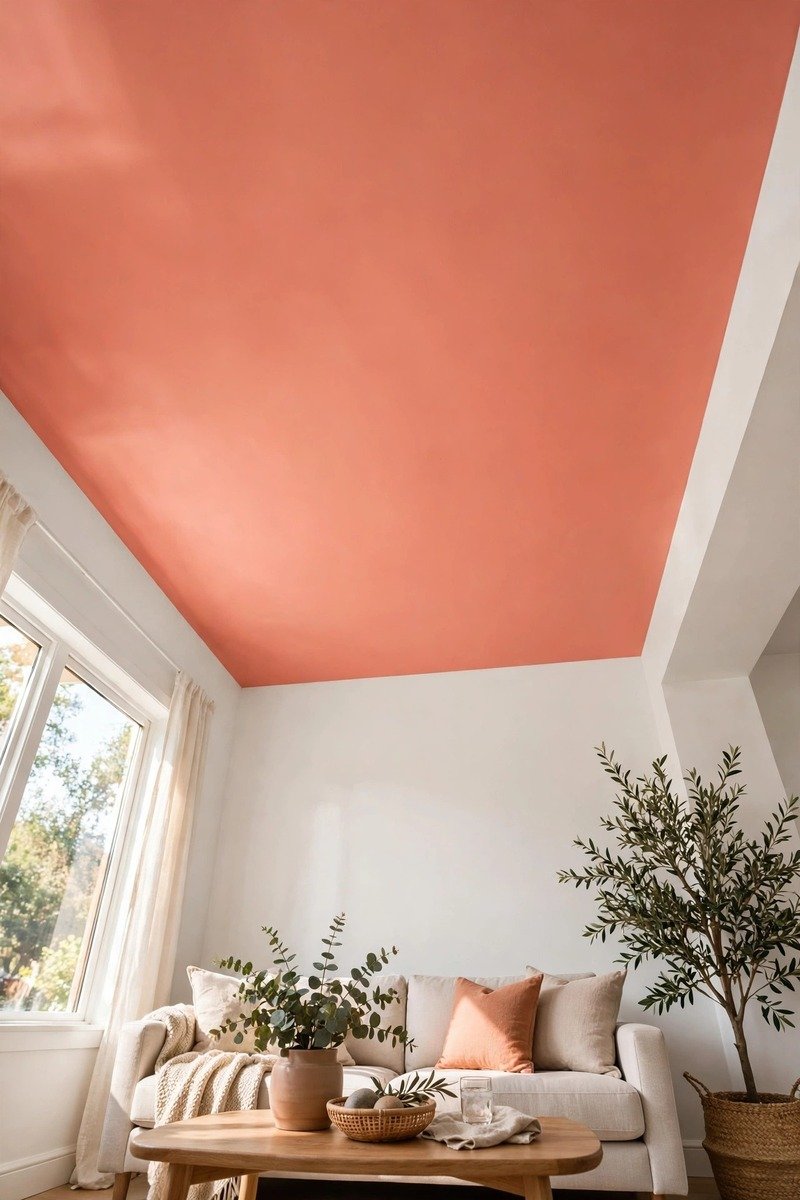
3. Paint the Ceiling a Bold Color
A bold ceiling is a surprise that guests notice at once. Soft coral, sky blue, or butter yellow on the ceiling adds warmth without taking any floor space.
Pro tip: A ceiling in a medium living room needs about 5 liters of flat ceiling paint. A can costs about 25 to 40 dollars, and you should cover the floor and furniture with drop cloths before you start.
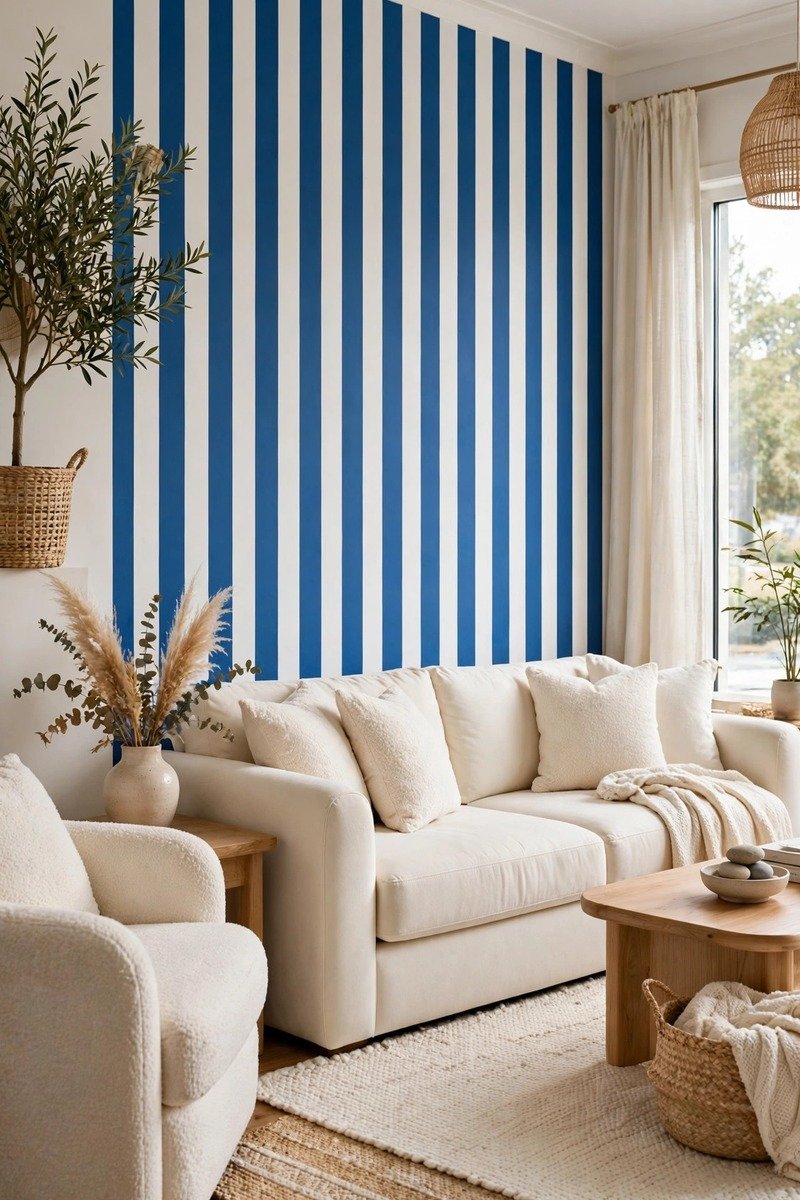
4. Add Bold Stripes to One Wall
Bold stripes make a living room feel fresh and lively. Blue and white stripes feel coastal, while pink and cream stripes feel soft and sweet. Stripes also make a short wall look taller when they run up and down.
Pro tip: Wide stripes of 20 to 25 cm look cleaner than many thin stripes. Taping one wall takes about 1 to 2 hours, and a level helps keep the lines straight from top to bottom.
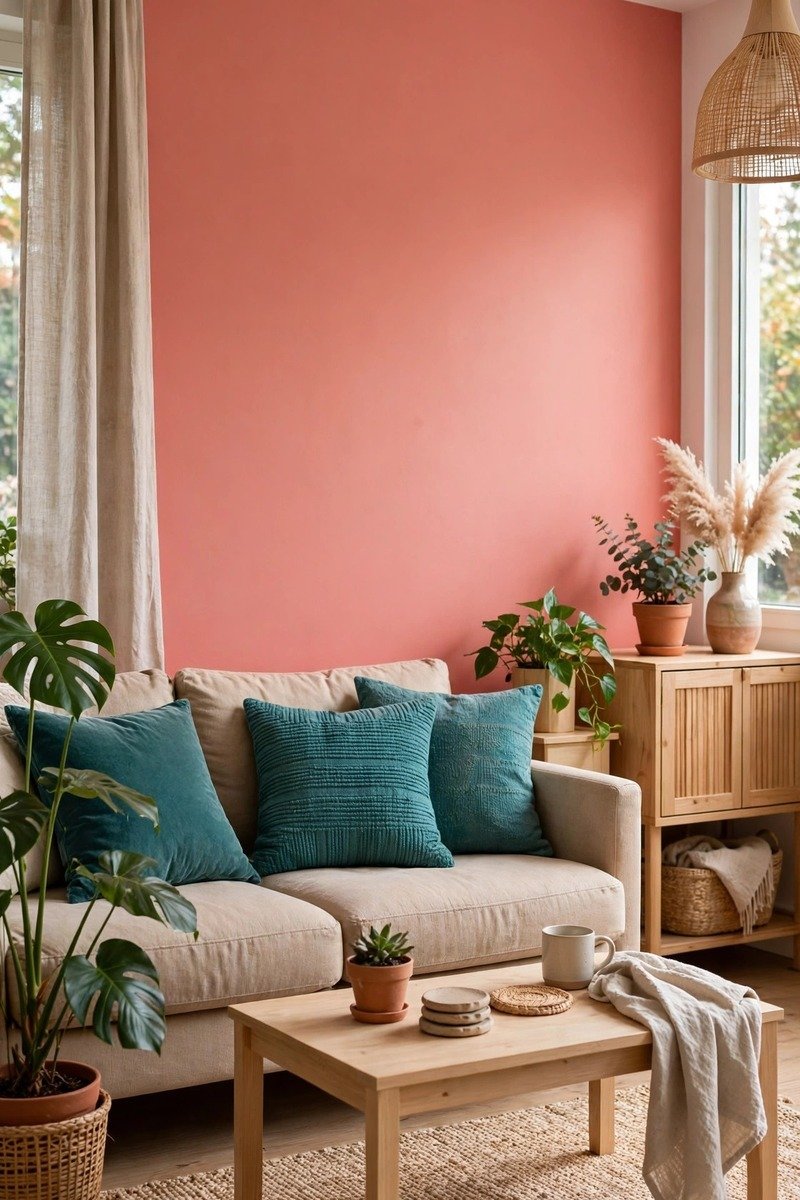
5. Paint One Wall Coral Pink
A coral pink wall is warm, cheerful, and easy to live with. It pairs well with teal cushions, green plants, and light wood furniture.
Pro tip: Test a sample pot first, since coral can look orange in warm light and pink in cool light. A sample costs about 5 to 8 dollars, and you should look at it for two full days before you buy a full can.
Sofas, Chairs, and Seating
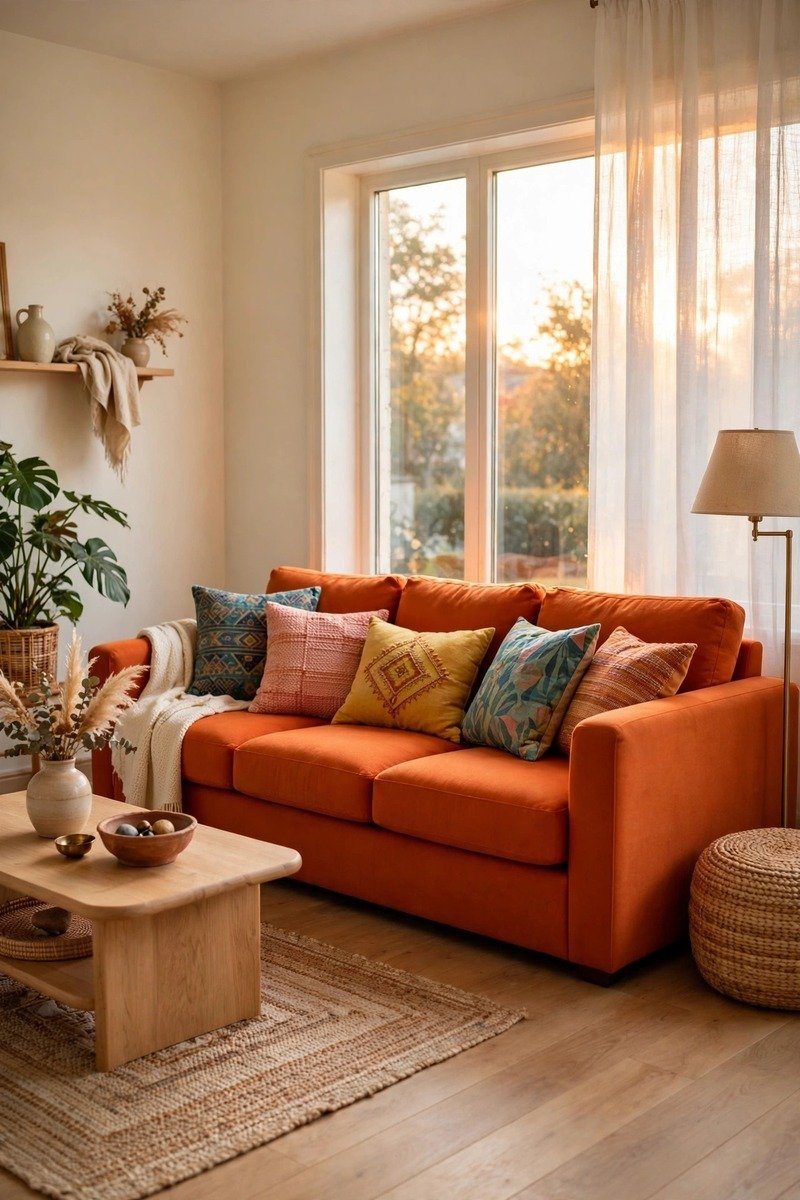
6. Choose a Bold Sunset Orange Sofa
An orange sofa turns a plain living room into a warm and cheerful space. Orange feels lively without being loud when the walls stay soft cream and the floor stays light wood.
Pro tip: A three seat sofa in a bold color costs about 600 to 1200 dollars in most stores. Before you order, measure the door and the stairs, since a sofa that is 220 cm long may not fit through a narrow hall.
7. Add an Emerald Velvet Armchair
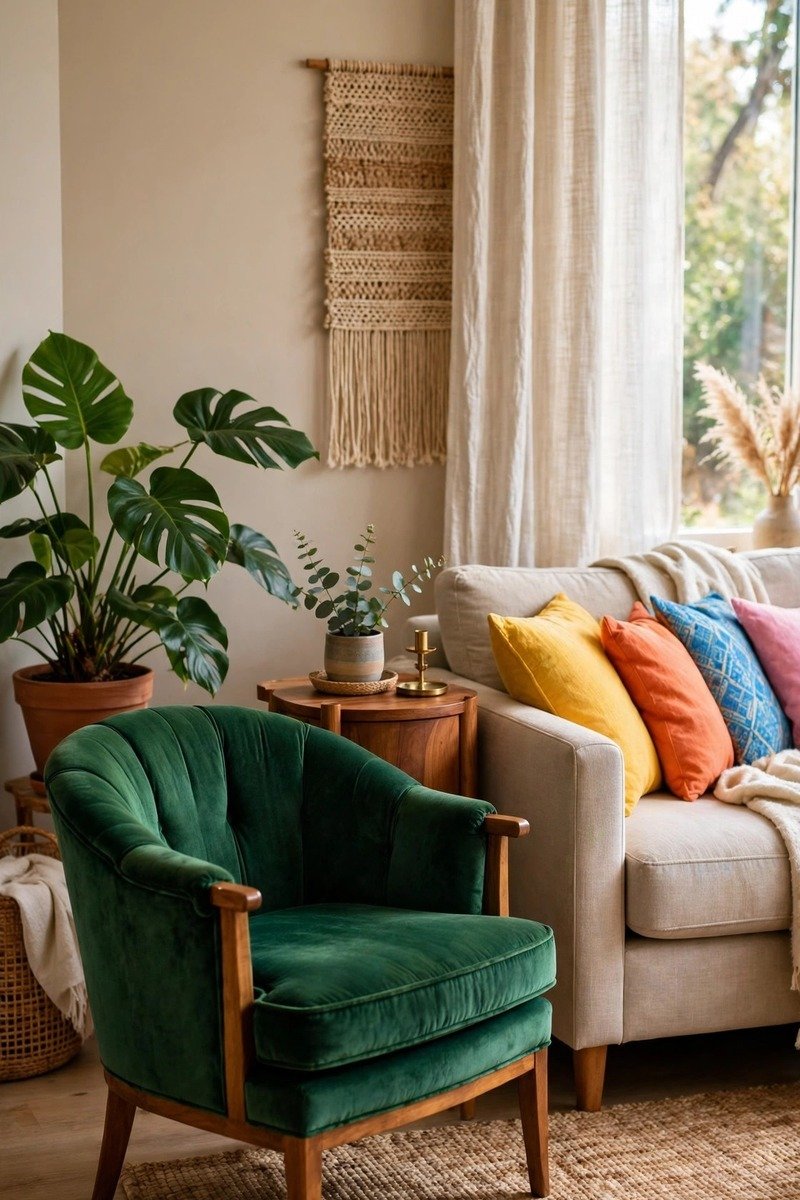
One emerald velvet armchair can carry the whole color story of a room. Velvet catches light through the day, and deep green pairs well with warm wood and bright cushions.
Pro tip: A velvet armchair costs about 250 to 500 dollars. Keep it out of direct sun for long hours, since strong sun can fade the color, and brush the fabric once a month to keep it soft.
8. Try a Mustard Yellow Loveseat
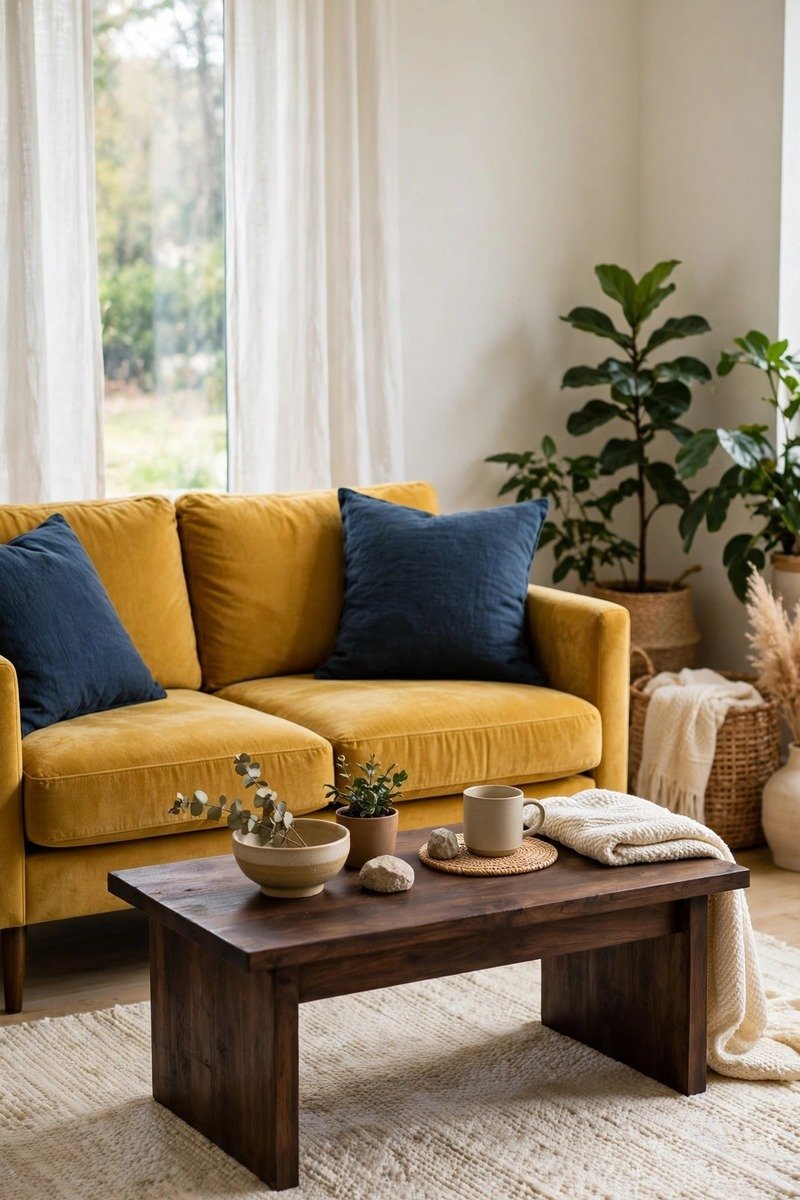
A mustard loveseat adds sunshine to a room without painting a wall. It works well with navy cushions, a cream rug, and dark wood tables.
Pro tip: A loveseat is about 140 to 160 cm wide, so it fits most small living rooms. A washable throw in a matching shade costs about 20 to 35 dollars and protects the fabric from daily use.
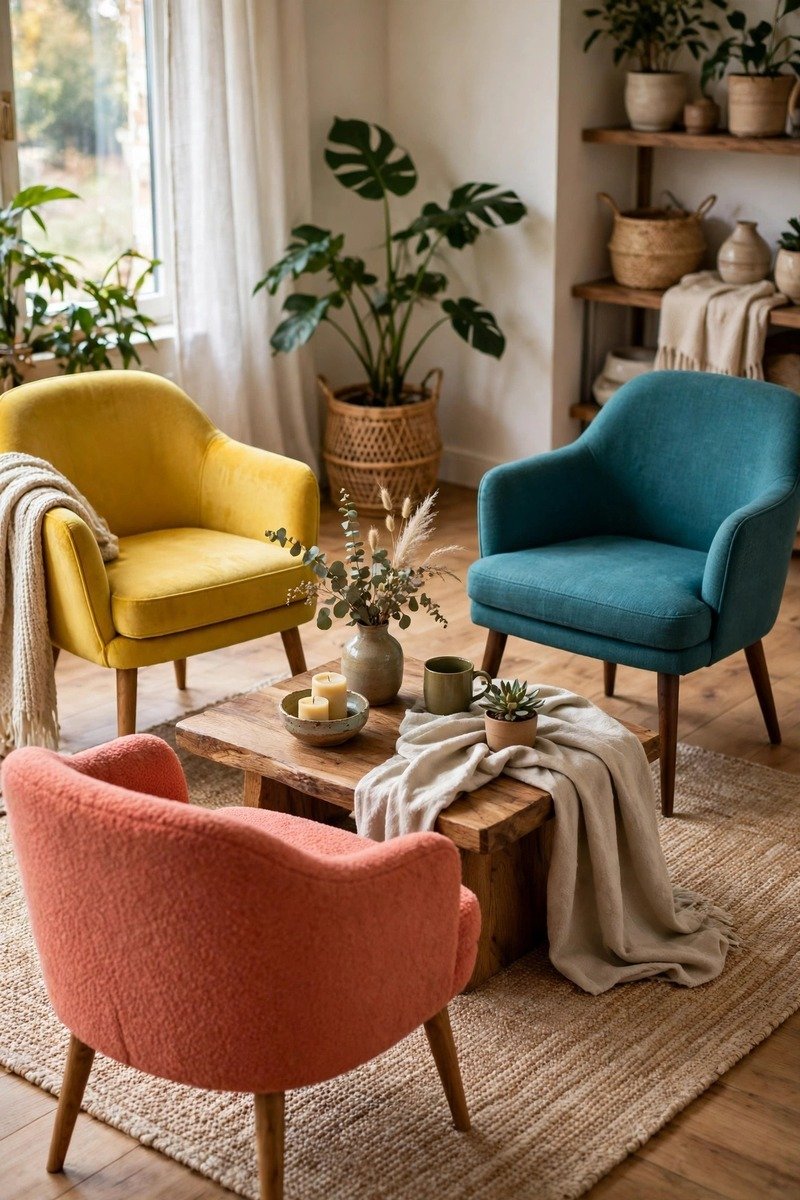
9. Mix Mismatched Colorful Chairs
Mismatched chairs bring instant personality to a seating area without matching sets. A yellow chair beside a teal one makes the room feel collected over time, like pieces found on travels.
Pro tip: Pick chairs in three colors that share the same warm or cool tone. Keep the chair heights within 5 cm of each other, and repeat one chair color in a cushion to tie the group together.
Rugs, Curtains, and Floors
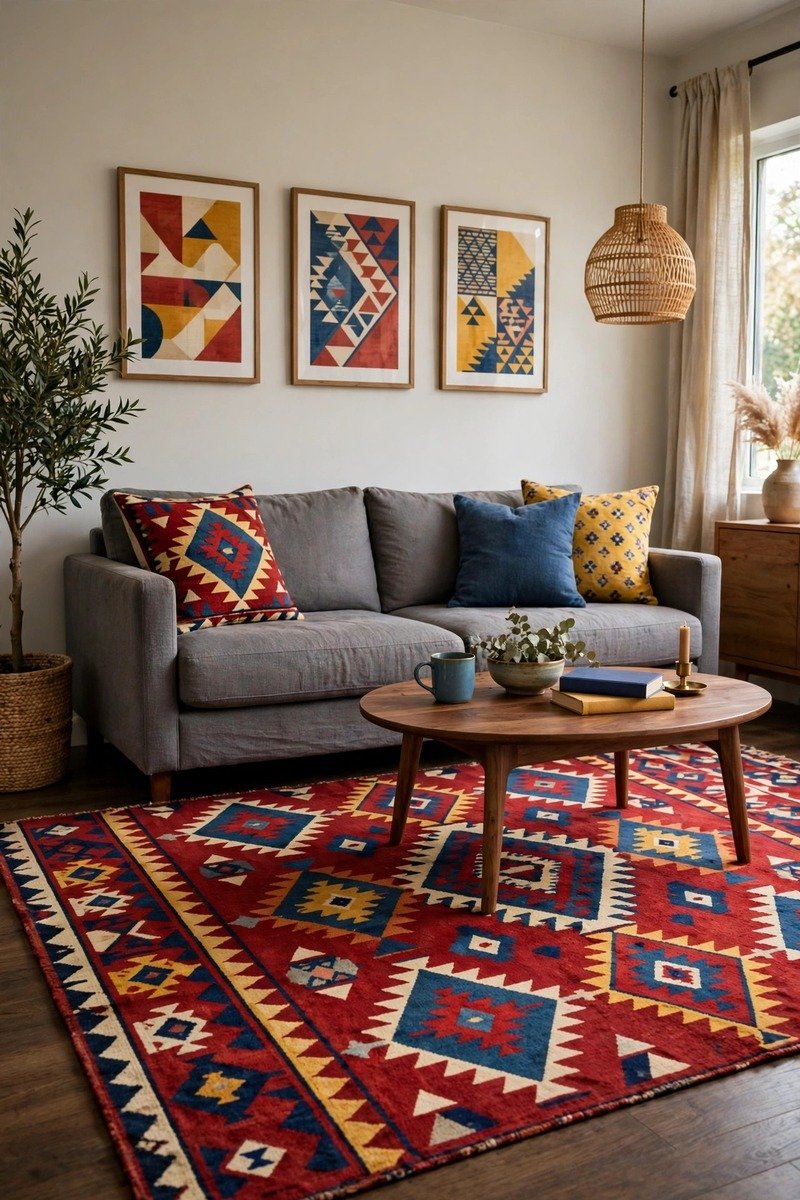
10. Lay a Patterned Colorful Rug
A patterned rug anchors a bright room and stops strong colors from floating apart. Red, blue, and yellow underfoot link the cushions and the art above, so the whole room feels warm and finished.
Pro tip: A rug of 240 by 300 cm suits most three seat sofas. A good wool blend rug costs about 200 to 400 dollars, and you should place a non slip pad under it for safety.
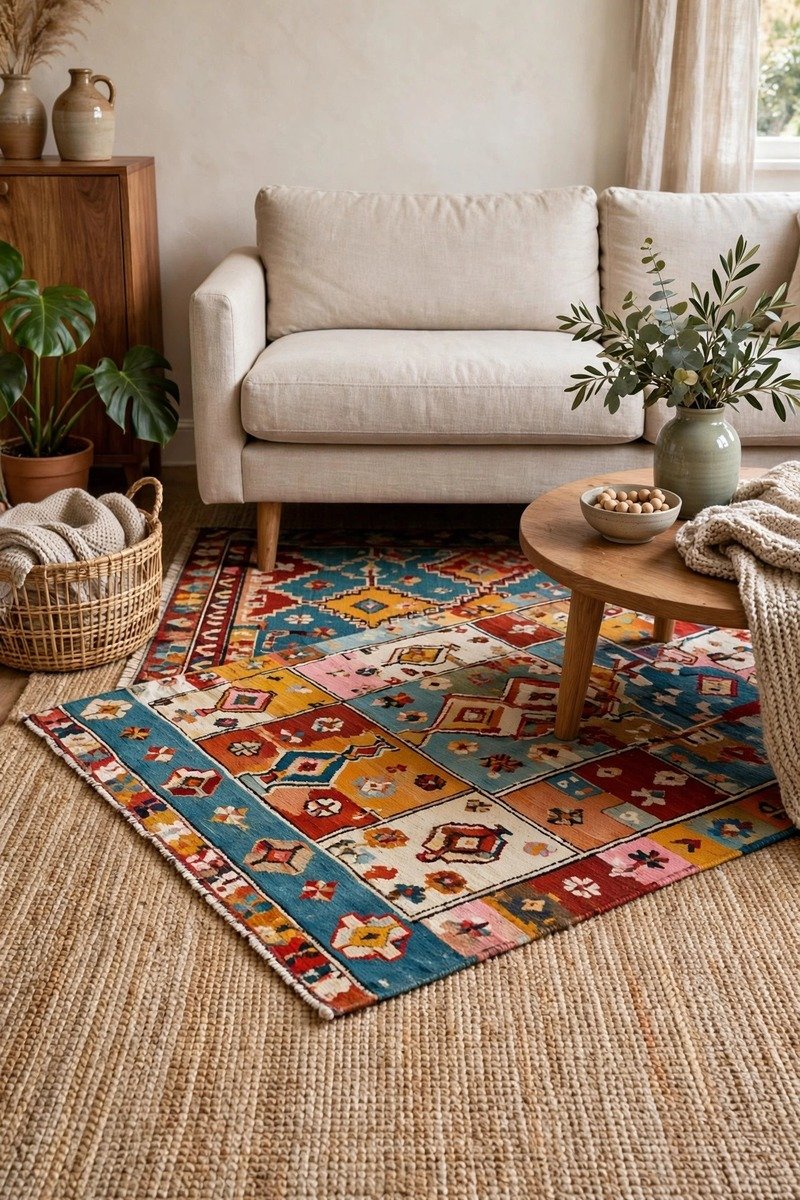
11. Layer Two Rugs for More Color
Layered rugs add color and texture without touching the walls or furniture. Start with a large plain rug in jute or cream, then layer a smaller patterned rug on top, slightly angled, so the colors peek out at the edges.
Pro tip: The top rug should be about 60 cm shorter on each side than the base rug. Keep the furniture legs on the top rug so the layers stay flat, and vacuum the edges weekly to stop curling.
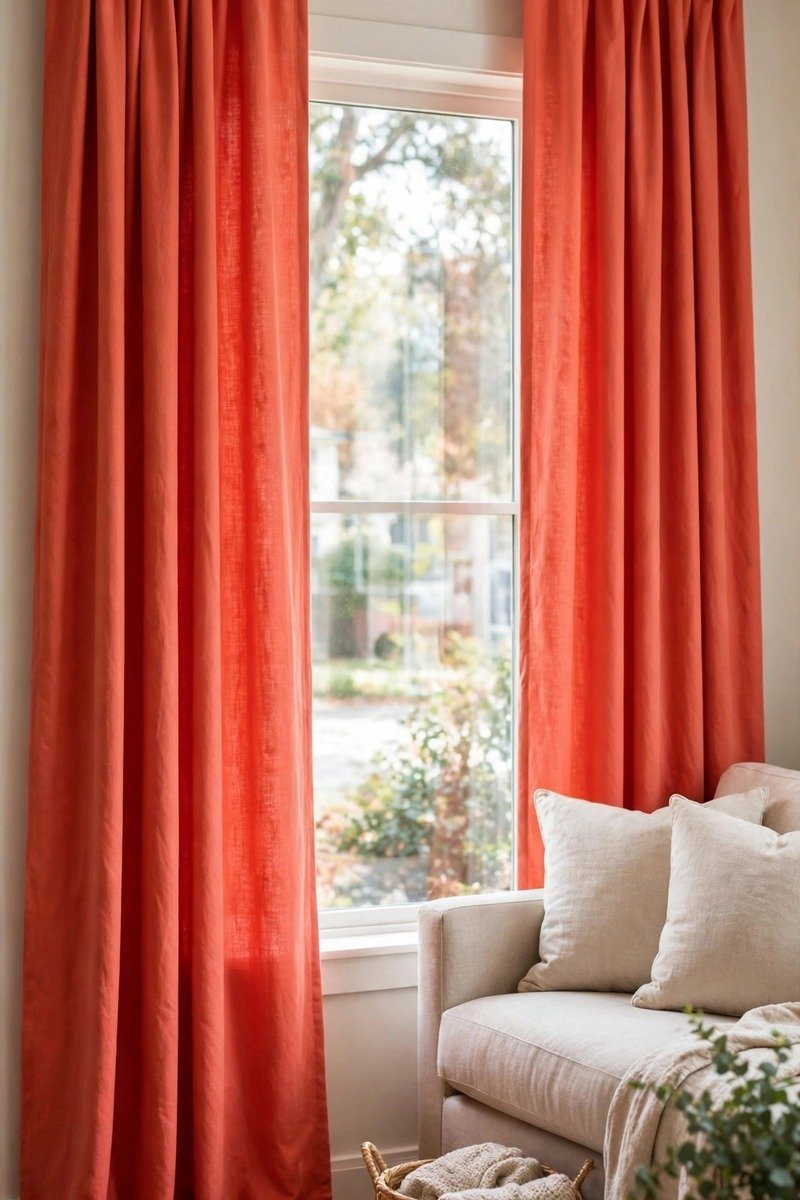
12. Hang Bright Curtain Panels
Bright curtains frame the window and set the color tone for the whole room. Solid panels in coral or teal give a clean look and pair easily with a patterned sofa. Hang them high so the ceiling feels taller.
Pro tip: Hang the rod 10 to 15 cm above the window frame and 10 cm wider on each side. A pair of lined curtain panels costs about 60 to 120 dollars, and lined fabric hangs better than thin unlined fabric.
Art, Shelves, and Small Color
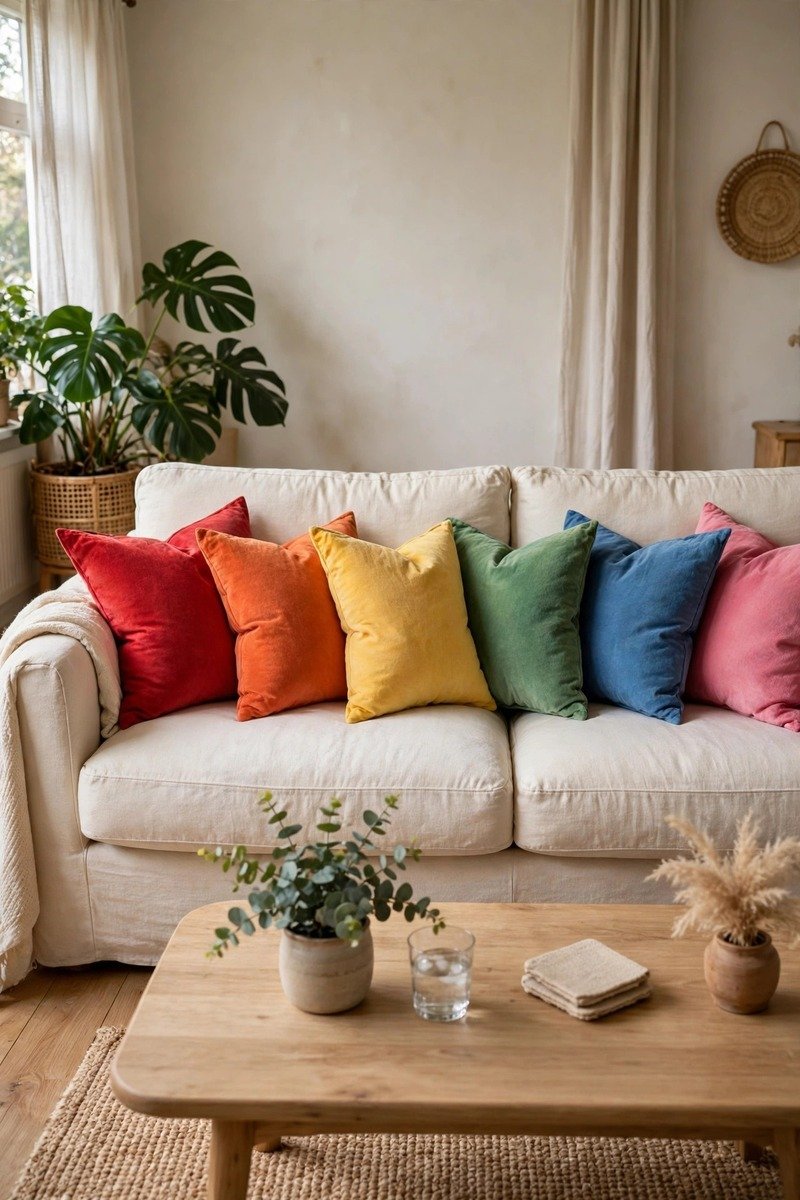
13. Add Rainbow Throw Pillows
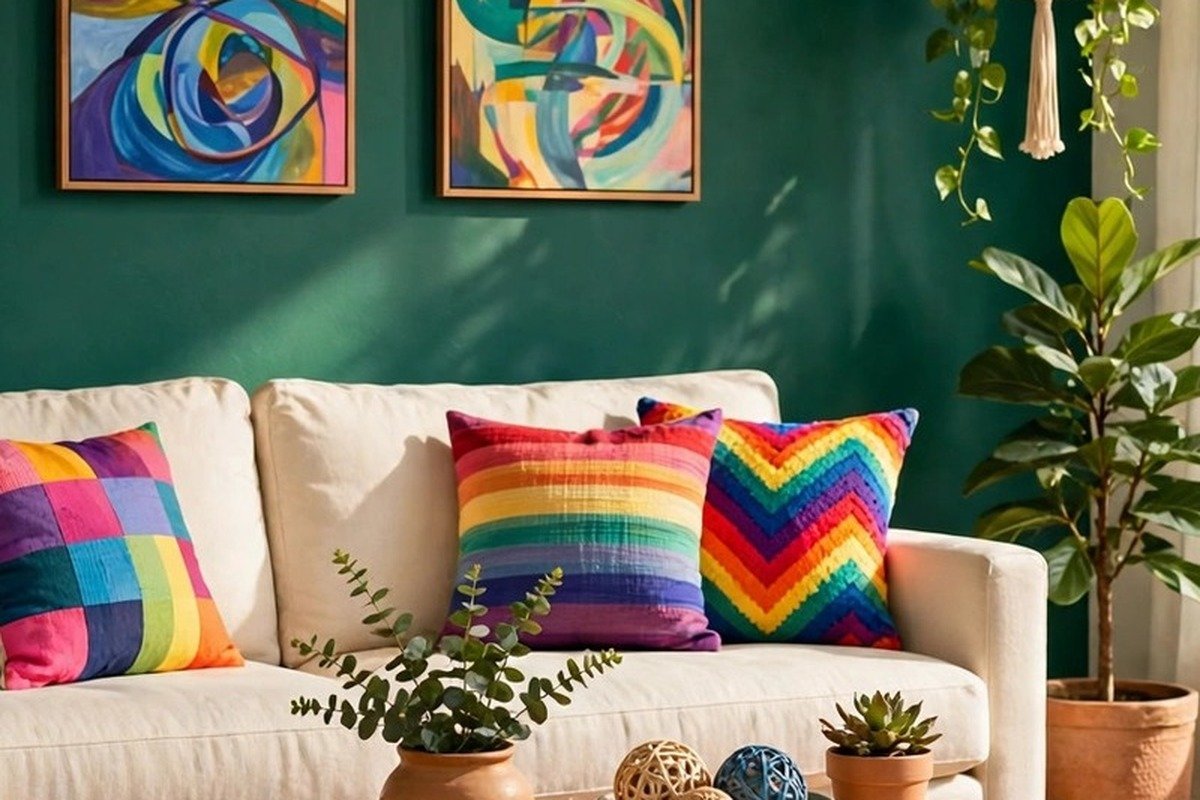
Rainbow pillows are the fastest way to add color without paint or new furniture. They soften a plain sofa, make reading and movie nights more comfortable, and can move to chairs when guests visit.
Pro tip: Pick three main colors and repeat each one in at least two places. Washable covers in cotton or linen cost about 15 to 25 dollars each, and a 50 by 50 cm cover fits most standard sofa pillows.
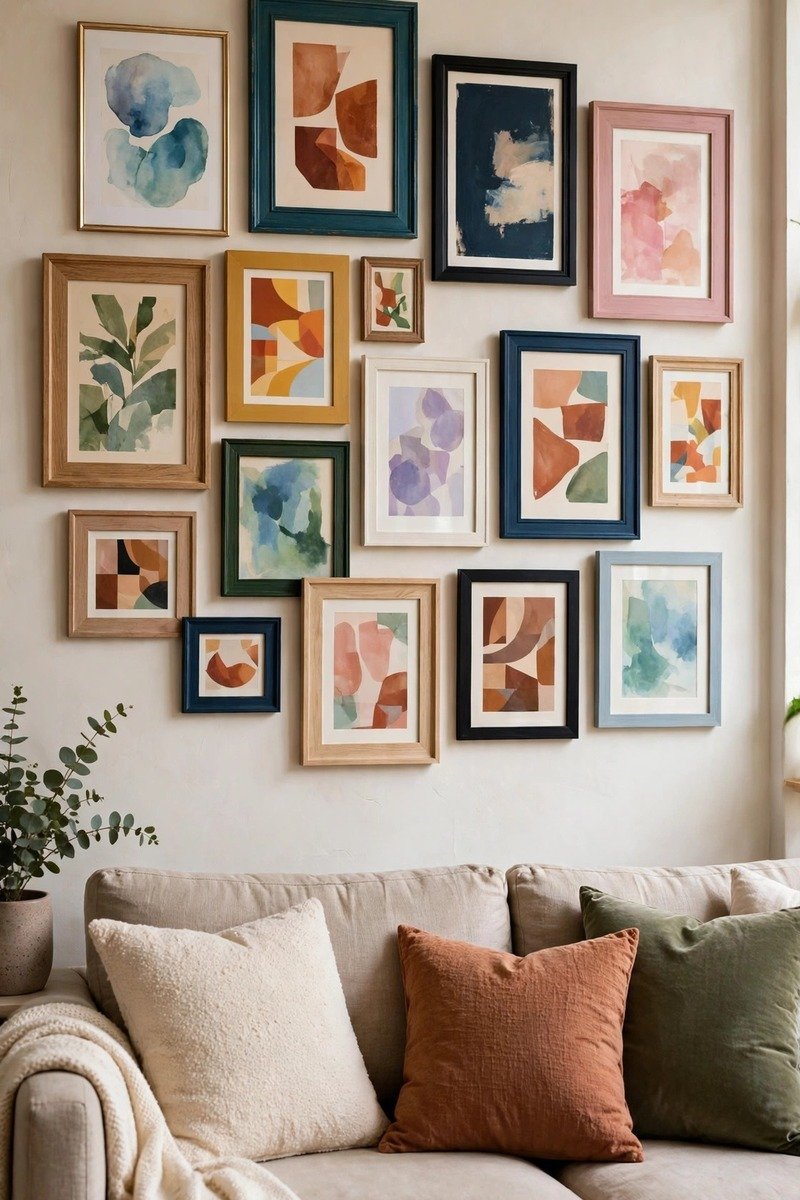
14. Build a Multicolor Gallery Wall
A gallery wall turns a blank wall into the brightest spot in the room. Mix frame colors when the art shares a warm palette, so the wall feels collected rather than messy.
Pro tip: Lay all the frames on the floor first and move them until the balance feels right. Keep 5 cm between frames, hang the center at eye level, about 145 cm from the floor, and the job takes about 2 hours.
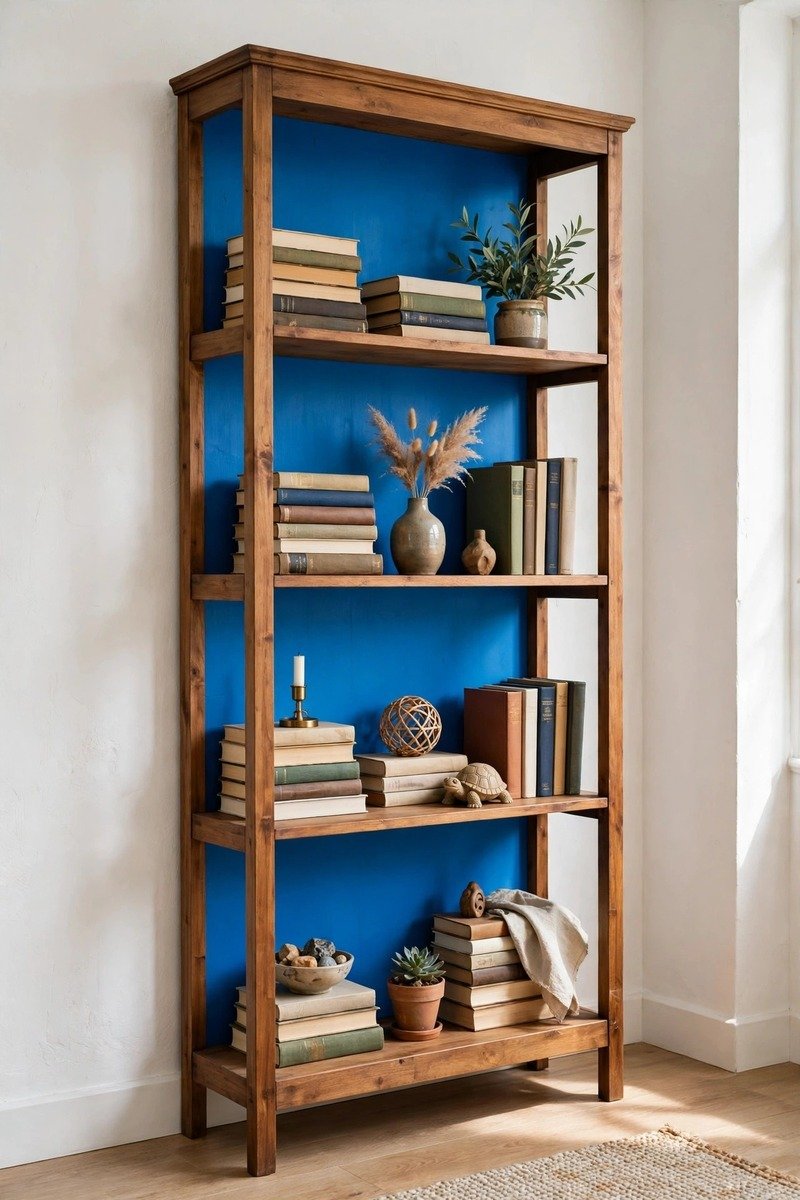
15. Paint the Back of a Bookshelf
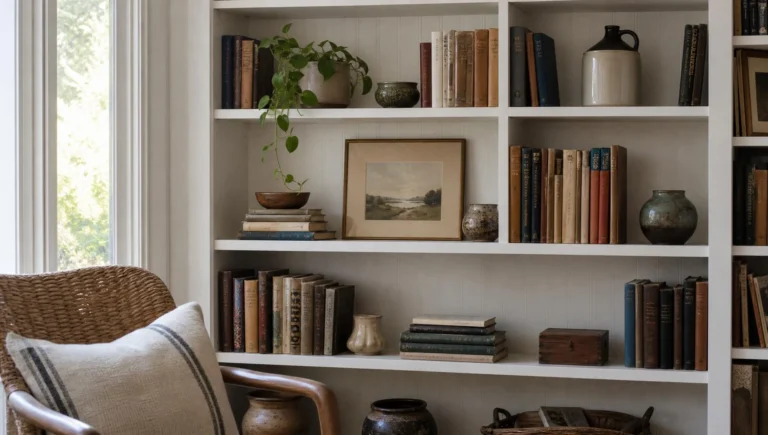
A painted bookshelf brings a strong splash of color for the cost of one small tin of paint. Cobalt blue, coral, or sunny yellow all work well against white walls and light wood. For more shelf styling ideas, see our bookshelf ideas that turn books into beautiful decor.
Pro tip: Paint the back panel only, so the color shows through without making the shelf feel heavy. A small tin of paint costs about 12 to 20 dollars, and two thin coats give a smooth finish in about 2 hours.
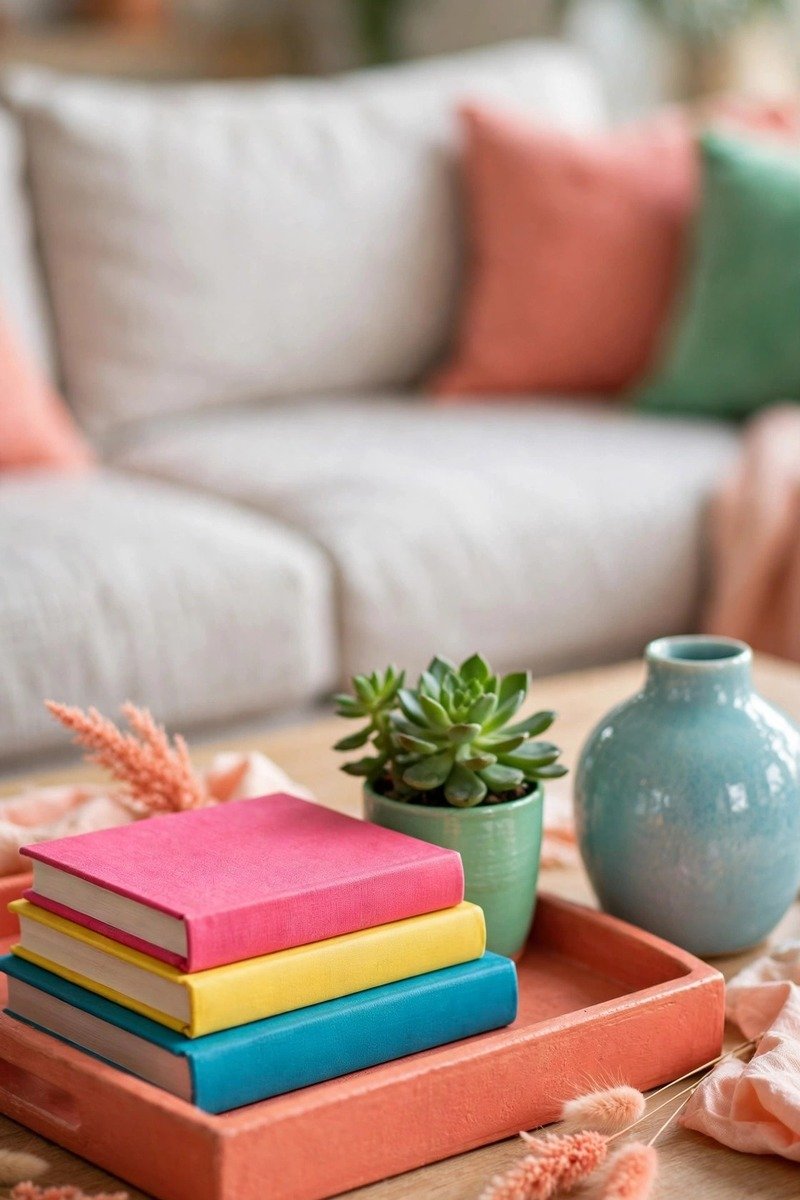
16. Style the Coffee Table in Bright Colors
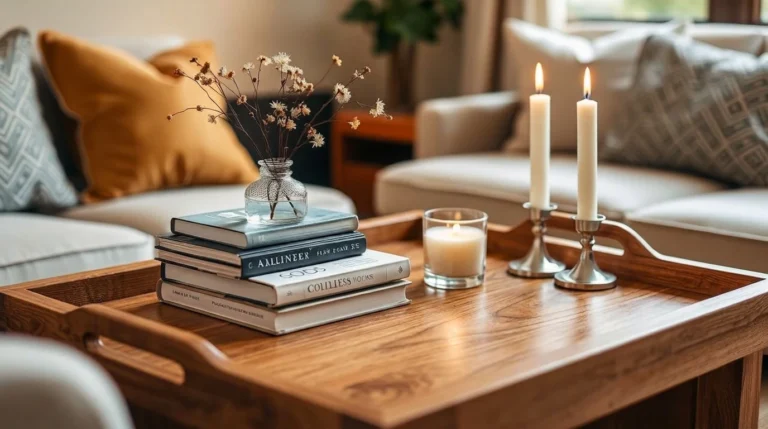
A coffee table is a small stage for color. A coral tray, a stack of bright books, a small green plant, and one ceramic vase can change the whole seating area in minutes. Our coffee table decorating ideas show more ways to style the same spot.
Pro tip: Use a tray of about 40 by 30 cm to hold the small pieces together. A wooden or lacquer tray costs about 20 to 35 dollars, and it makes cleaning the table much faster.
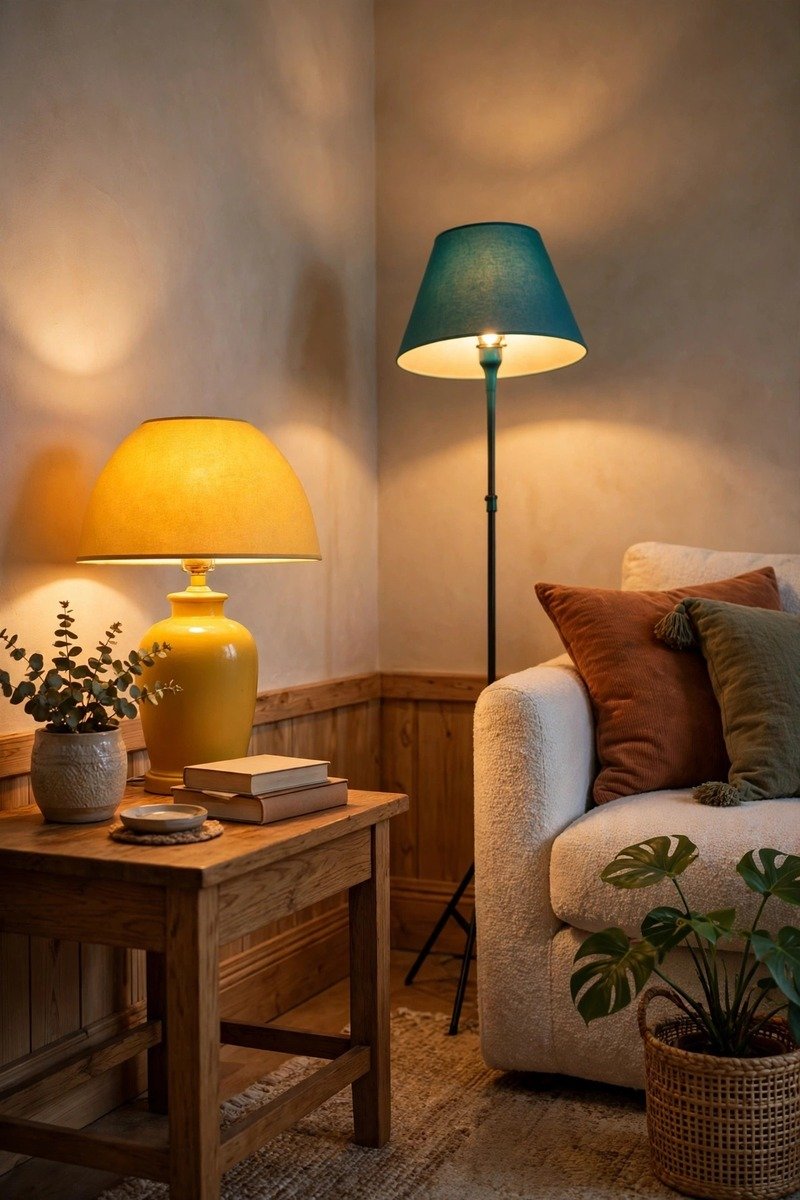
17. Add Bright Lamps and Shades
Bright lamps add color at every height in the room. A mustard table lamp, a teal floor lamp, or a coral shade gives a warm glow at night and a bold shape in the day.
Pro tip: Use warm white bulbs of 2700 Kelvin for a soft evening glow. A table lamp costs about 40 to 80 dollars, and a shade in a solid color is easier to match than a busy pattern.
Color Combos and Finishing Touches
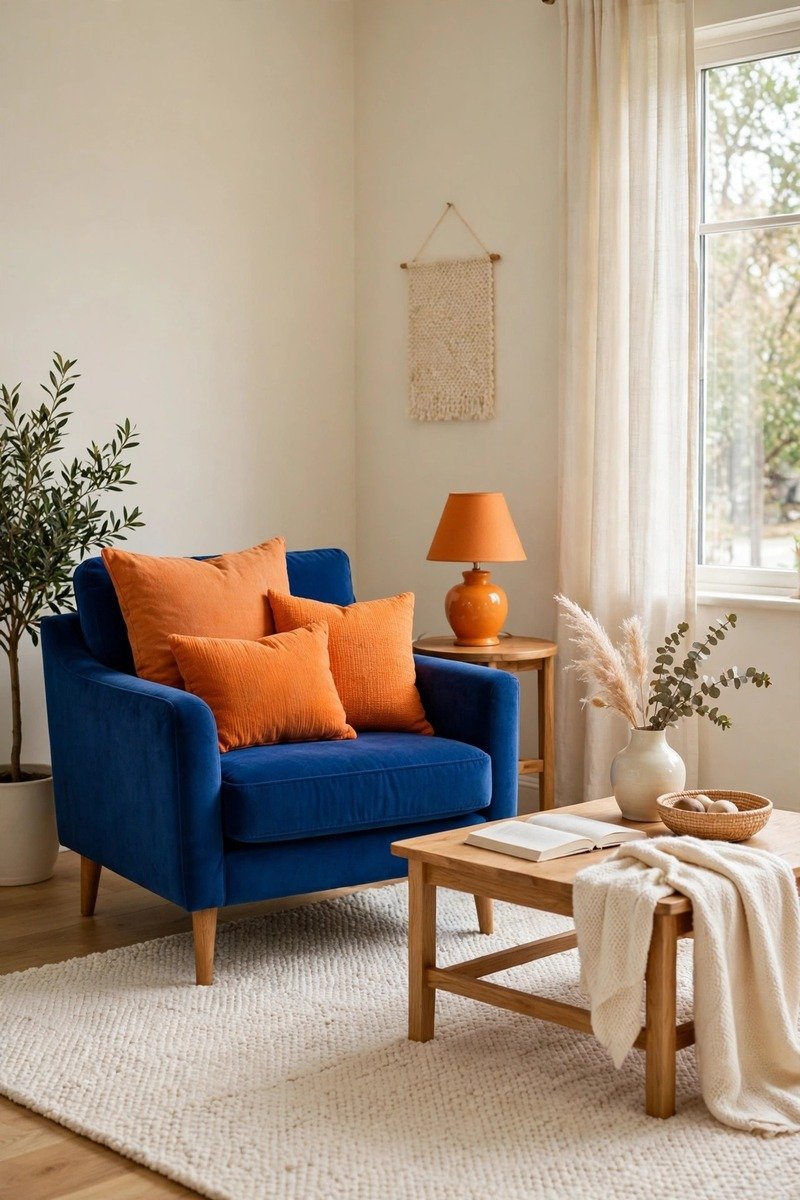
18. Pair Cobalt Blue With Tangerine and Cream
Cobalt blue, tangerine, and warm cream make a playful and graphic room. Use cream on large surfaces, place cobalt in one large piece such as an armchair or rug, then add tangerine through a lamp, artwork, or cushions.
Pro tip: Keep tangerine to about 10 percent of the room, since it is the strongest shade here. Two or three tangerine pieces are enough, and a softer orange works well if pure tangerine feels too sharp.
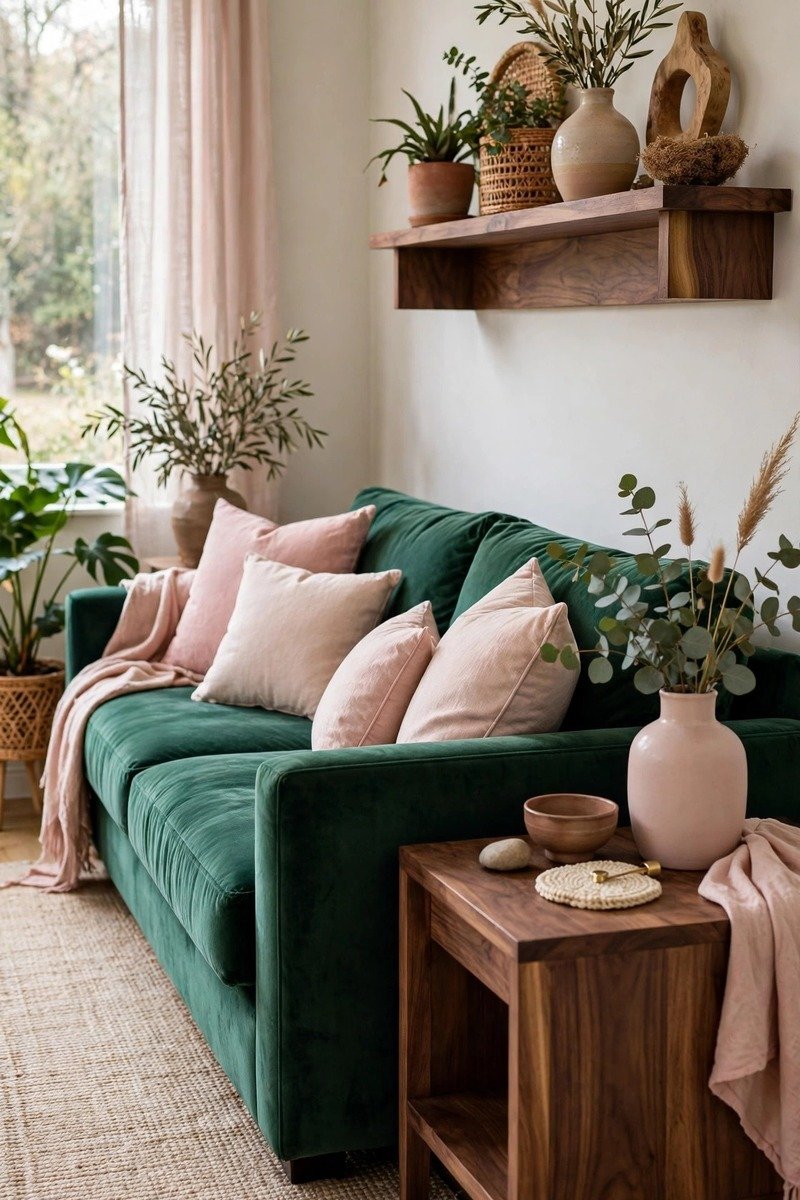
19. Pair Emerald Green With Blush and Walnut
Emerald green, blush pink, and walnut make a grown up colorful room. Deep green gives pink a strong counterpoint, while walnut brings warmth and depth.
Pro tip: Use walnut in at least two places, such as a side table and a shelf, so the wood feels planned. A walnut side table costs about 80 to 150 dollars, and it grounds the soft pink well.
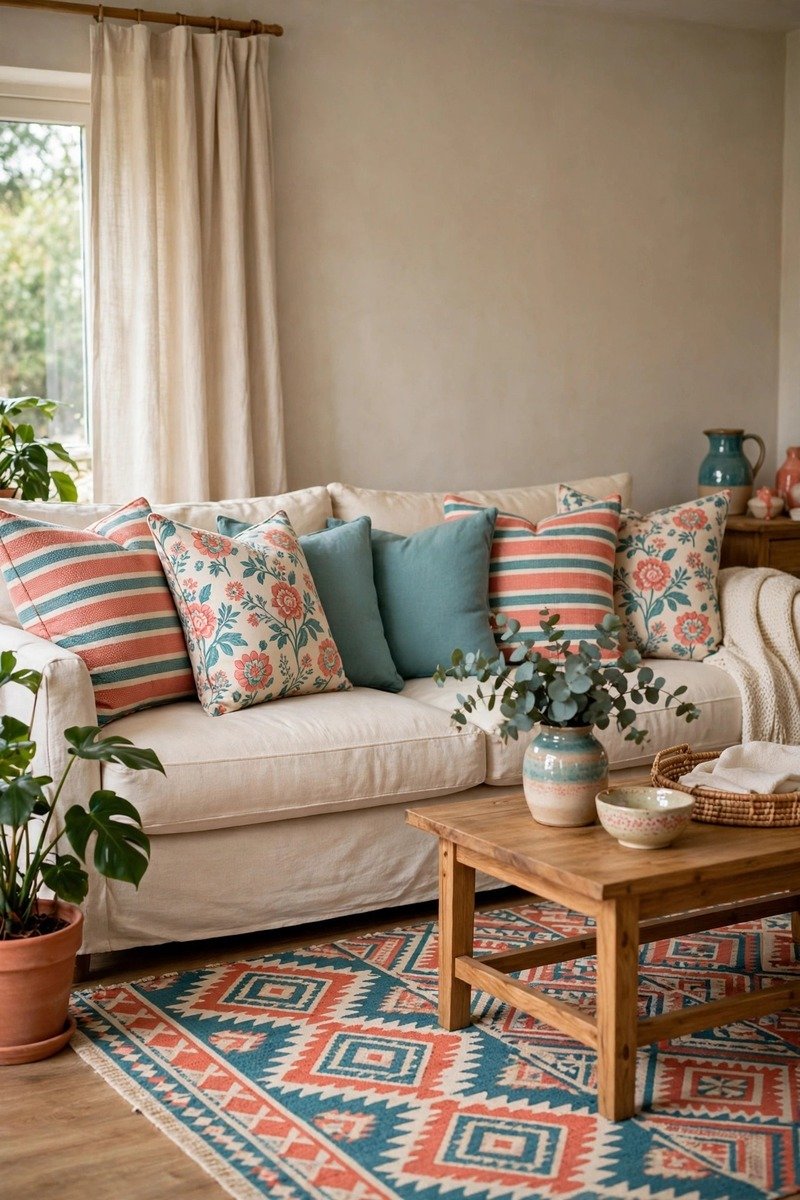
20. Mix Patterns With One Shared Palette
Mixing patterns sounds risky, yet it gives a living room a personal feel that matching sets never achieve. Stripes beside florals, and a geometric rug under both, create energy that pulls the eye around the room.
Pro tip: Start with one large pattern, add a medium one, then finish with a small print. Keep the colors to three or four shades, leave plain cushions in between, and the room will feel lively without looking busy.
Pick a Colour Temperature First
A colourful room needs one temperature, warm or cool, or the colours fight. Warm colours are red, orange and yellow, and they make a room feel cosy and close. Cool colours are blue, green and purple, and they make a room feel calm and open. Pick the temperature by the light: a room with cool north light suits warm colours, because the warmth balances the light, and a room with warm south light suits cool colours, for the same reason. Test paint and fabric in the room at three times of day, because a colour that looks bright at noon can look dull at dusk. Colorful living room ideas work best when the temperature is decided first, because a room with warm and cool colours mixed at random looks messy, not bold.
The 60 30 10 Rule for Colour
Use the 60 30 10 rule to keep colour under control. Sixty percent of the room should be one main colour, usually the walls and the largest piece of furniture. Thirty percent should be a second colour, such as the curtains and the rug. Ten percent should be an accent colour, such as cushions, art and small objects. A room that is 60 percent white, 30 percent blue and 10 percent yellow reads as colourful, because the yellow pops against the blue. A room that is equal parts of three strong colours reads as noise. Measure the rule by eye, not by tape, and step back after each change, because a room is judged as a whole, not piece by piece.
Colour by Light: What Changes at Night
Colour changes when the lights come on, so plan for the evening as well as the day. A bright red wall looks rich in daylight and dark at night, so pair it with warm bulbs around 2700 Kelvin, because warm light keeps red warm. A deep blue wall looks calm in daylight and almost black at night, so add a table lamp near it, because a pool of light stops the wall from swallowing the room. Use one light source on each side of the room, not all in one corner, so the colours read evenly. Avoid cool white bulbs in a colourful room, because cool light washes colour out and makes the room feel like an office.
Add Colour Without Touching the Walls
Paint is not the only way to add colour. Start with the sofa cushions: three cushions in one strong colour cost about 30 to 60 dollars, and they change the whole room. Add a rug in a second colour, about 5 by 7 feet, and a throw in a third colour over one chair. Hang one large piece of art, about 24 by 36 inches, in the accent colour, because one large piece does more than five small ones. As a typical range, a set of three cushion covers costs about 20 to 40 dollars, and a colourful rug costs about 60 to 150 dollars. Buy the rug first, because the rug holds the most colour, and everything else should match it, not fight it.
Common Mistakes to Avoid
- Using every favorite color at once. Pick three main colors and repeat them, or the room will look messy.
- Painting all four walls in a dark shade. One bold wall is enough in most rooms, since four dark walls can make the space feel small.
- Matching every shade exactly. Shades from the same color family often feel more natural than perfect matches.
- Forgetting the light. Test paint and fabric in morning and evening light, since warm lamps change bright colors.
- Leaving one bright piece alone. Repeat each accent color in at least two other spots, or it will look stranded.
- Mixing too many busy patterns. Pair one large print with a fine stripe or small geometric design, not with several large prints.