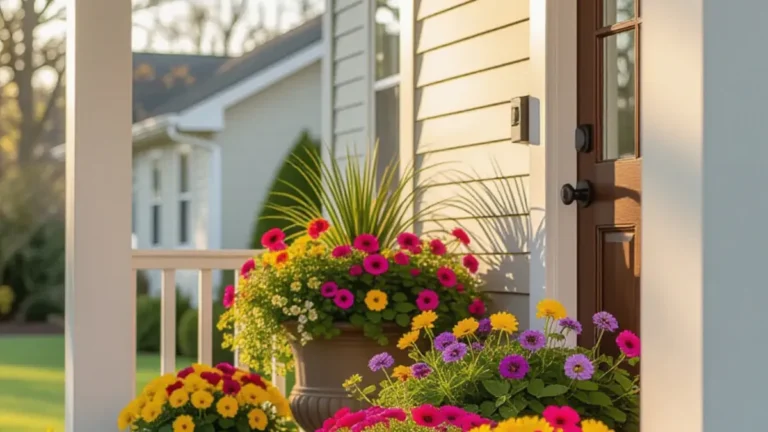
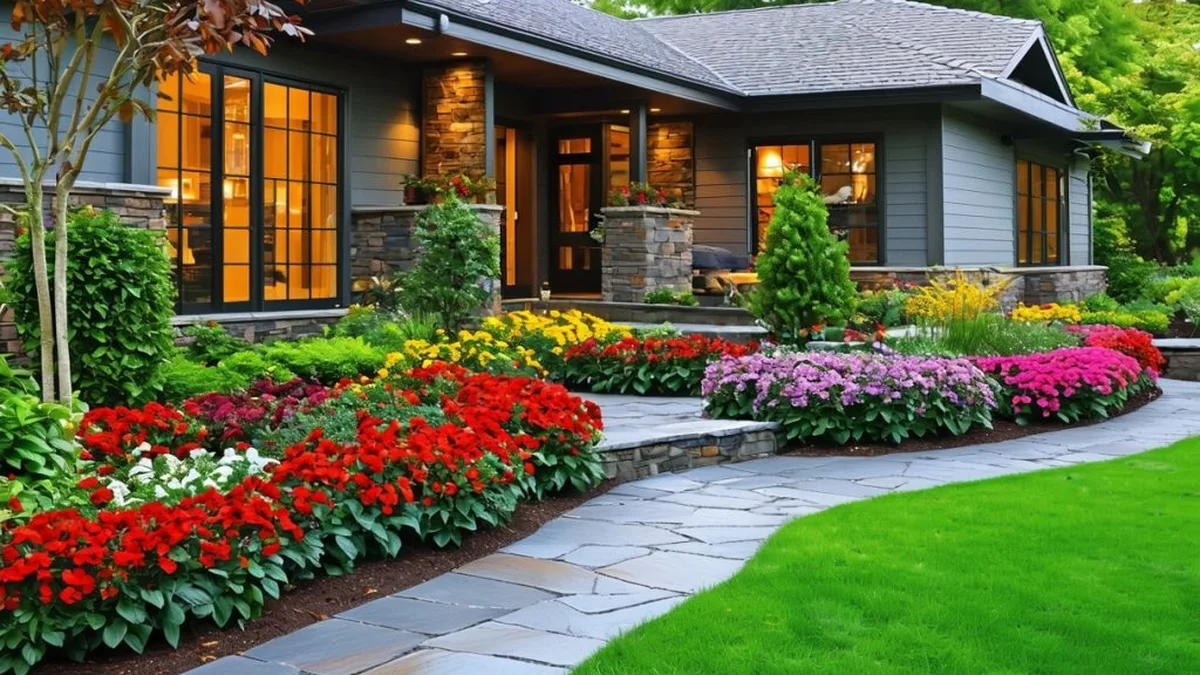
Your front yard is the first hello your home gives. A pretty flower bed in front of the house sets the tone before anyone reaches the door, and it can lift the whole look of the place in a single weekend.
You do not need a big budget or a green thumb to pull it off. These flower bed ideas in front of house work for tiny yards and big ones, sunny spots and shady corners, and most of them cost less than a nice dinner out.
Below you will find 21 ideas, from five minute edging tricks to small weekend builds. Pick the one that fits your yard and start there. And if you want blooms up higher too, window box flower ideas pair beautifully with any of these.
Quick Picks for Front of House Flower Beds
In a hurry? These six will change your curb appeal fast.
- Best for instant color: A bed of seasonal annuals. A flat of marigolds or petunias fills a bed the same day you plant it.
- Best for low effort: A perennial border. Plant once and it comes back bigger every spring with almost no yearly cost.
- Best for structure: An evergreen backbone of boxwood or dwarf juniper so the bed never looks bare in winter.
- Best for small budgets: A fresh two inch layer of dark mulch. It makes everything look richer for a few dollars.
- Best for the mailbox: A simple ring of daylilies around the post. Everyone walks past it, so make it pretty.
- Best for nighttime: Warm white solar lights tucked along the bed edge. Your best planting deserves an evening show.
Why Flower Beds Make the Biggest Difference Out Front
The front of the house gets judged in about three seconds. A tidy, blooming bed tells people the home is cared for, and it frames the house the way a good frame flatters a picture. Nothing else you can do in a weekend changes curb appeal this much for this little money.
There is a practical side too. Beds along the foundation hide plain siding and concrete, soften hard edges, and can even help with drainage when they are graded right. Plant smart once and the bed mostly takes care of itself while you enjoy the view from the street.
1. Curved Edging Bed
Straight beds can look stiff. A gentle curve along your walkway or driveway softens the whole front of the house and makes even a small bed feel generous.
Mark the curve with a garden hose, then cut the edge with a flat spade. A roll of steel or plastic edging runs about 20 to 40 dollars and keeps grass from creeping in.
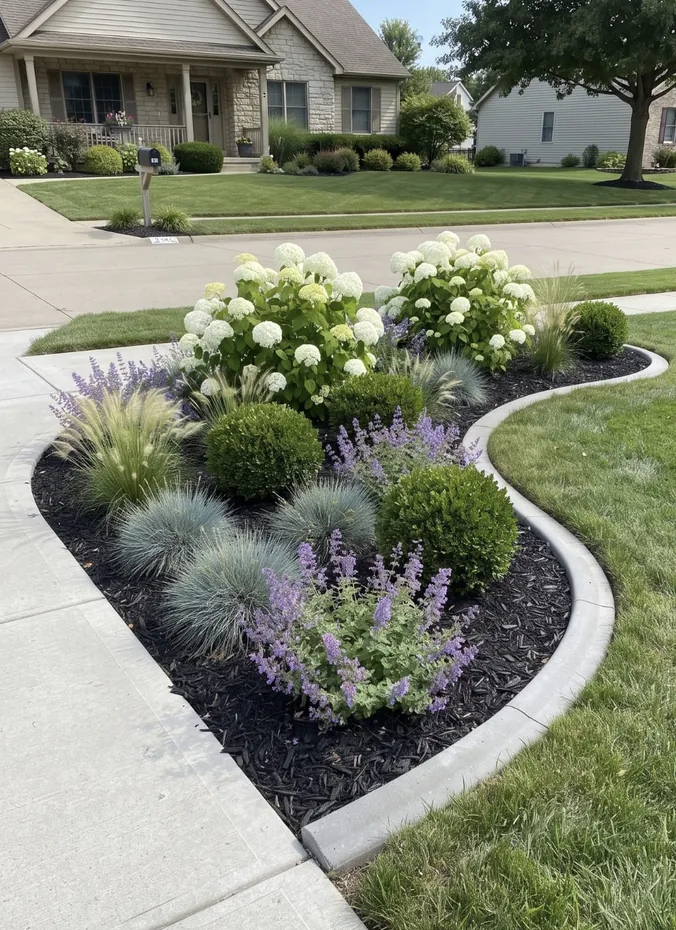
Make the curve generous. A shy little wiggle looks accidental. Big sweeping arcs look planned.
2. Layered Heights Bed
Pro beds look full because they plant in layers. Tall plants go in back, medium ones in the middle, short ones up front, and every plant gets its moment.
Try coneflower or salvia in back, black eyed susans in the middle, and sweet alyssum or marigolds along the front. A flat of annuals costs 15 to 25 dollars and fills gaps fast.
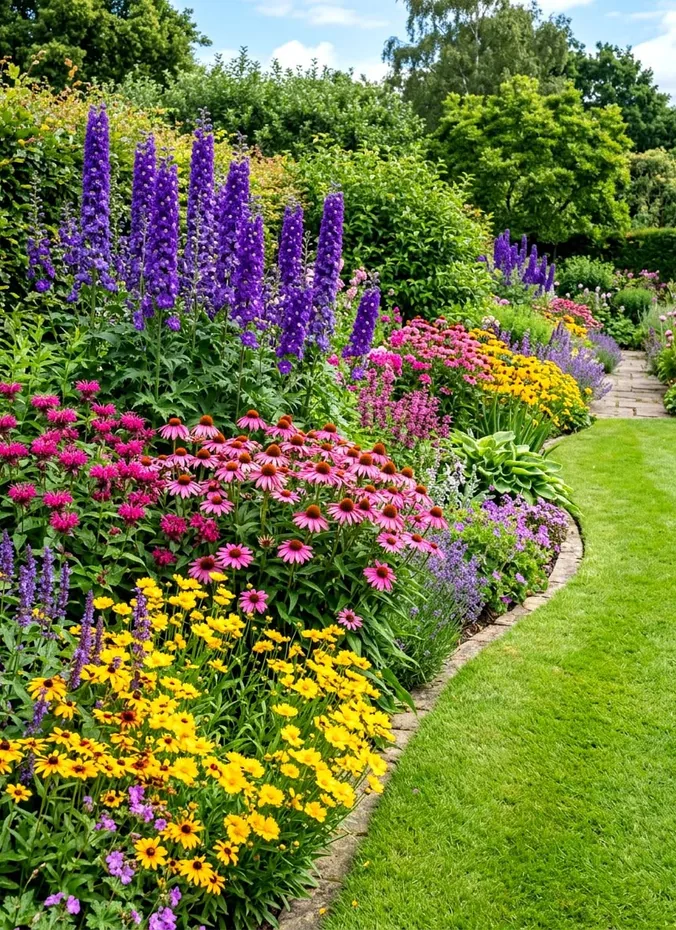
Plant in odd numbered groups of three or five. It reads as natural instead of lined up like soldiers.
3. Mailbox Flower Bed
Your mailbox sits out there doing nothing all day. A ring of flowers around the post turns that lonely spot into a little garden moment everyone walks past.
Keep it simple with a circle about two feet wide. Daylilies or lantana around the base look great and handle the heat that bounces off the pavement. A bag of mulch for about 5 dollars finishes it.
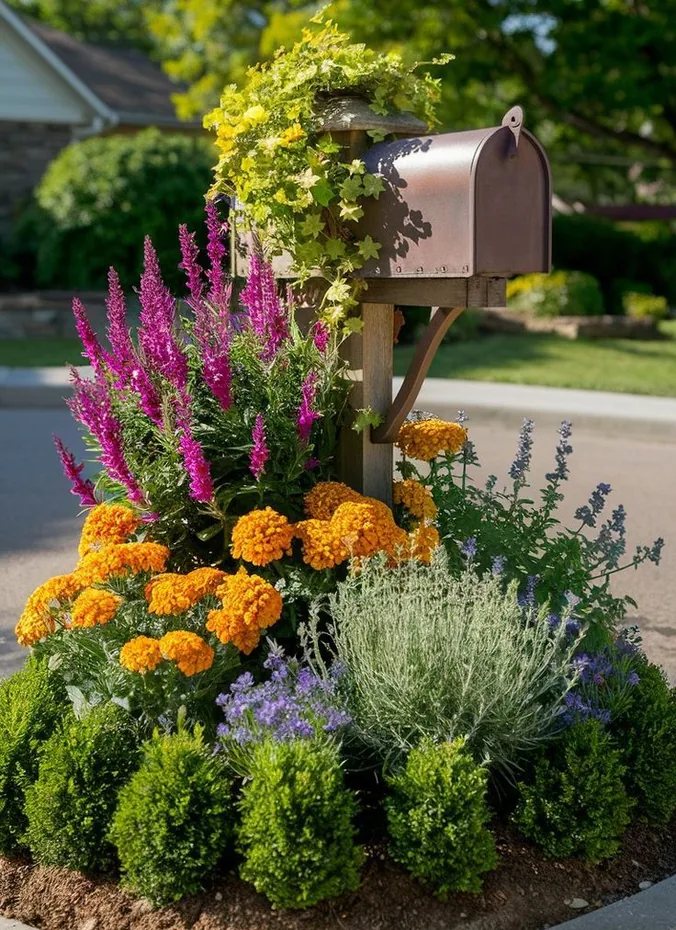
Do not plant anything with thorns or anything that grows over the box. The mail carrier will thank you.
4. Stone Border Bed
A stone border gives a bed a finished edge that mulch alone cannot. It reads as permanent and cared for, which is half of curb appeal right there.
Natural fieldstone or tumbled pavers both work. Set them on a level base of sand so they sit steady. Expect to spend 30 to 60 dollars for a small bed, or gather stones if your area allows it.
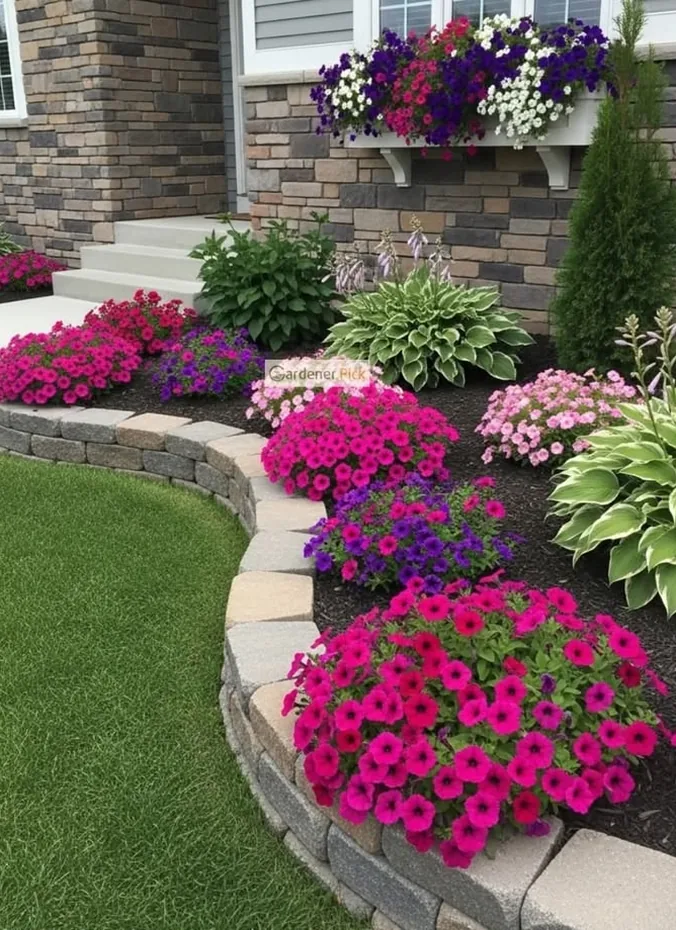
Lay the stones before you plant. It is much easier than working around new flowers later.
5. Evergreen Backbone Bed
Flowers come and go, but evergreens hold the bed together all year. A few boxwood, holly, or dwarf juniper give structure so the bed never looks empty in winter.
Plant the evergreens first, spaced for their full grown size, then fill around them with seasonal color. Small shrubs run 15 to 30 dollars each at the garden center.
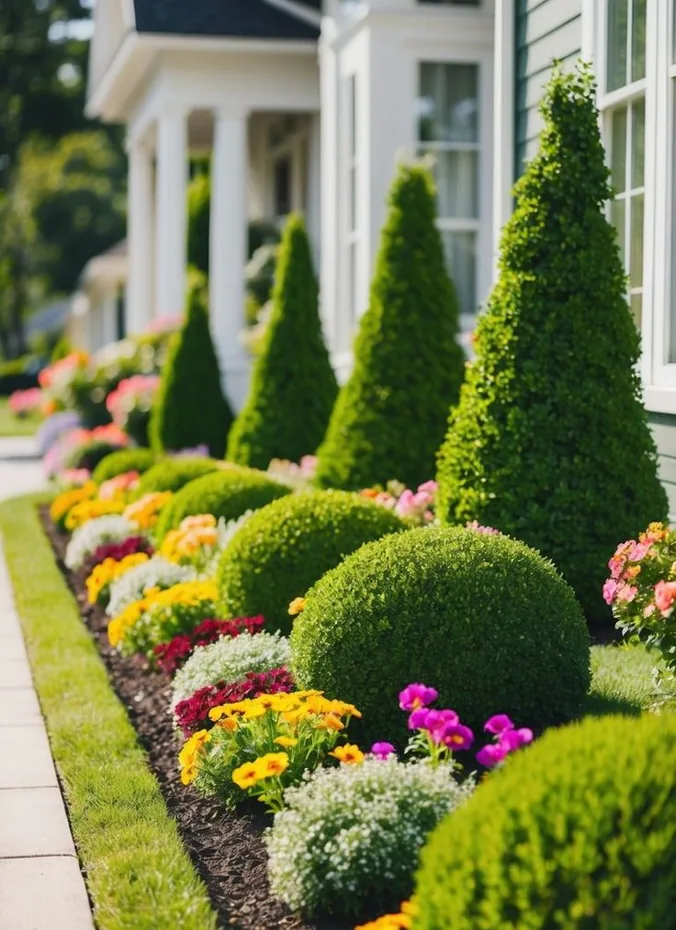
Keep the evergreens toward the back or the corners. They are the frame, not the picture.
6. Cottage Garden Bed
The cottage look is controlled chaos in the best way. Roses, daisies, foxglove, and catmint spill together and the bed looks like it has been loved for years.
Pack plants closer than the tag says. Cottage beds thrive on fullness. Start with a mix of perennials so the bones return every year, then tuck annuals into the gaps.
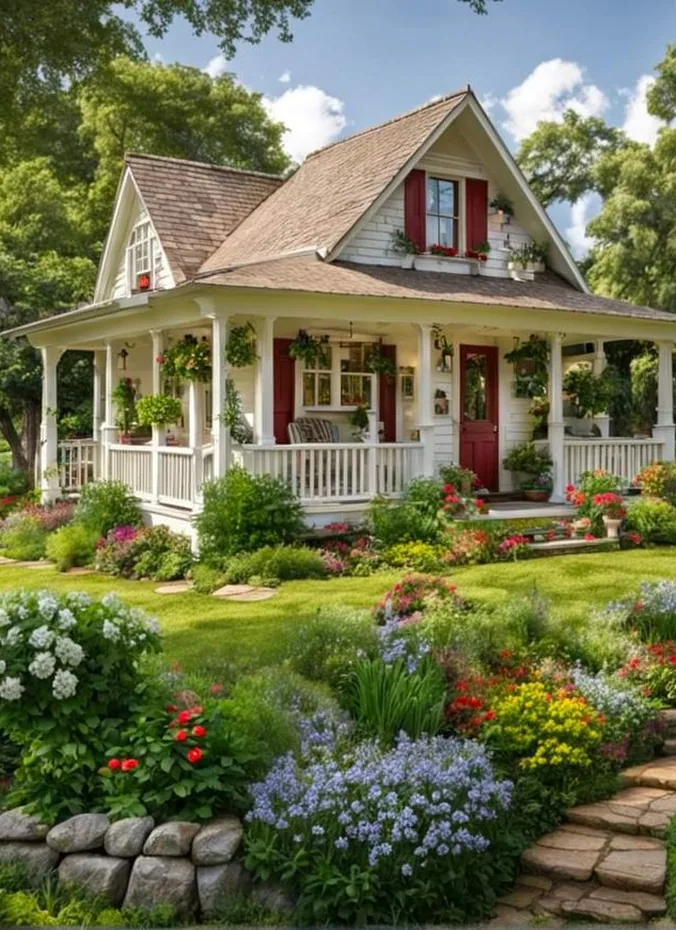
Let a few things self seed. Next spring you will get happy surprises in exactly the right spots.
7. Dark Mulch Bed
Never underestimate mulch. A fresh two inch layer of dark bark mulch makes every flower pop and hides a multitude of sins underneath.
Dark brown or black mulch reads as rich and tidy. A bag costs 4 to 6 dollars and covers about six square feet at two inches deep. Water the bed first, then mulch.

Keep mulch a few inches from stems and trunks. Piled up mulch rots plants and invites pests.
8. Perennial Border
A perennial border is the gift that keeps giving. Plant once and the bed returns every spring, bigger and better, with almost no yearly cost.
Pick a sequence of bloom times so something is always showing off. Spring bulbs, summer coneflowers, fall asters. That is three seasons from one bed.

Divide crowded clumps every few years in early fall. You get free plants for the rest of the yard.
9. Raised Stone Bed
A raised bed adds height where flat yards feel boring. It also saves your back and gives roots the loose soil they love.
Stacked stone or block kits make this a weekend project. A small kit runs 60 to 120 dollars. Fill with a mix of garden soil and compost, not just bagged topsoil.

Raised beds dry out faster, so plan on watering a little more often in summer heat.
10. Foundation Planting Bed
The strip along the house foundation is prime real estate. Done right it softens the hard line where the house meets the ground.
Leave at least a foot of space between plants and the wall for air flow. Low shrubs plus flowers work well here. Watch your roof drip line and slope soil away from the house.

Keep mature plant heights below the windowsills. You want to frame the windows, not hide them.
11. Corner Anchor Bed
House corners are awkward until you anchor them. One good sized shrub or small ornamental tree in the corner bed gives the whole front a sense of balance.
Pick something with at least three seasons of interest, like a hydrangea or a dwarf Japanese maple. Underplant with low flowers so the ground never shows bare.

Resist the urge to cram the corner full. One strong anchor plus simple fillers beats a crowded jumble.
12. Spring Bulb Drift
Nothing says spring like a drift of tulips and daffodils. Planted in loose sweeps instead of rows, bulbs look like they have always been there.
Plant in fall, about three times as deep as the bulb is tall. Daffodils are the safest bet since squirrels and deer leave them alone. A bag of 25 runs about 12 to 18 dollars.
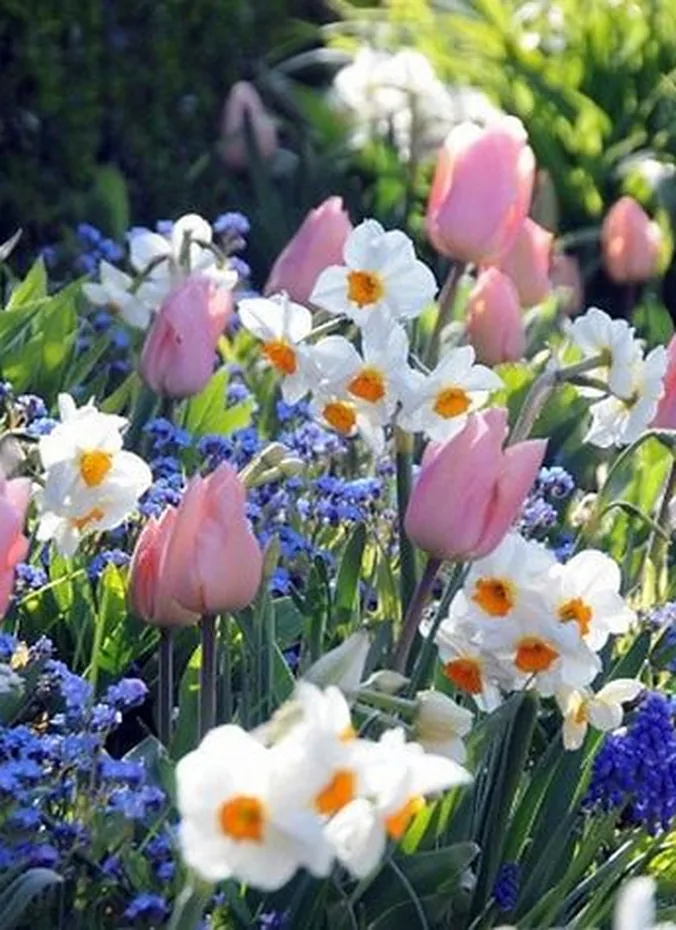
Let the leaves die back on their own. Cutting them early steals next year’s flowers.
13. Drought Wise Bed
If watering feels like a chore, plant like it. Lavender, salvia, yarrow, and sedum laugh at dry spells and still bloom their heads off.
These plants want sun and soil that drains fast. Mix in some gravel or coarse sand at planting time. Once settled, most need water only in real heat waves.

Skip the rich fertilizer. Lean soil makes these plants tougher and keeps them from flopping over.
14. Shade Loving Bed
Shady front yards can still have great beds. Hostas, impatiens, begonias, and ferns love the cool dark and bring plenty of color without full sun.
Lighten the gloom with chartreuse and cream foliage. White impatiens or a variegated hosta can brighten a shady bed like a lamp.

Shade beds stay damp, so mulch a little thinner here and watch for slugs after rain.
15. Symmetrical Flanking Beds
Two matching beds on either side of the front door or walkway look crisp and welcoming. Symmetry tells the eye that someone cares about this house.
Mirror the layout but do not stress about identical plants. Same shapes and colors on both sides read as a pair even if a few plants differ.

Keep both beds the same size and mulch color. Mismatched mulch breaks the spell faster than anything.
16. Pollinator Friendly Bed
A bed that buzzes is a bed that blooms. Bees and butterflies keep flowers coming and the whole yard feels alive.
Plant single petal flowers like coneflower, bee balm, and zinnias. Double blooms look fancy but pollinators cannot reach the nectar. Skip the pesticides and let nature work.
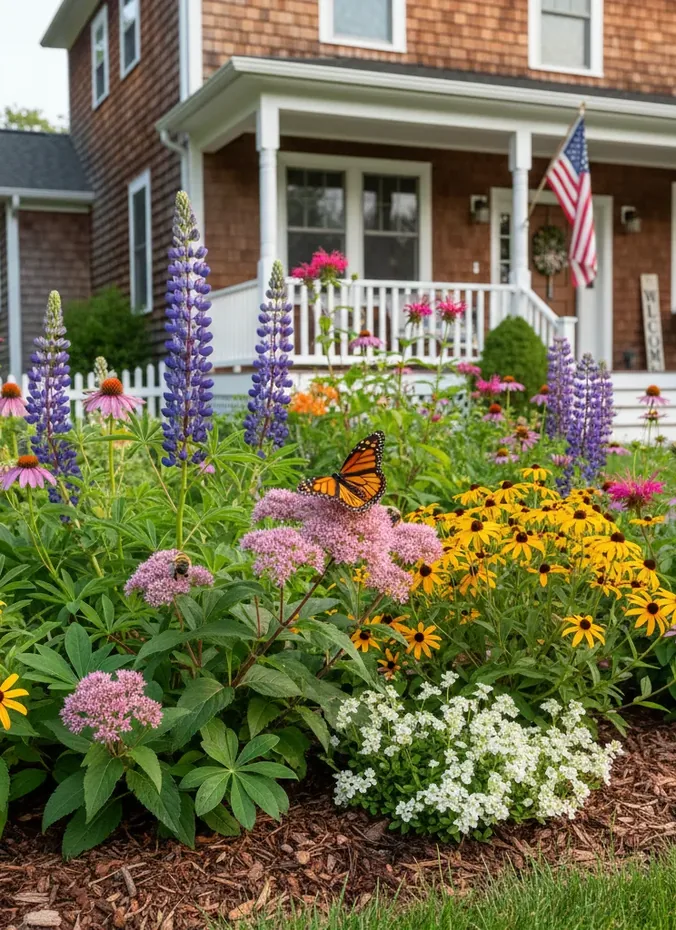
Add a shallow dish of water with pebbles. Pollinators need drinks too.
17. Ornamental Grass Bed
Grasses bring movement that flowers cannot. Fountain grass, switchgrass, and feather reed grass sway in the breeze and look good from summer through winter.
Use grasses as the backdrop and tuck flowers in front. They need almost no care beyond a yearly haircut in late winter before new growth starts.

Give them room. That cute one gallon pot can become a four foot fountain in two years.
18. Rose Bed
Roses by the front door are pure romance. Modern shrub roses bloom all season and shrug off the fussiness old roses were famous for.
Look for disease resistant types like Knock Out or Drift roses. They need six hours of sun and a good drink at the roots, not overhead.

Deadhead spent blooms to keep new ones coming. It takes five minutes and doubles your flower count.
19. Seasonal Color Bed
Some gardeners swap annuals with the seasons and the bed always looks fresh. Pansies in spring, zinnias in summer, mums in fall.
Buy flats when they first hit the stores for the best pick. A flat of 36 annuals runs 15 to 25 dollars and can fill a whole bed.
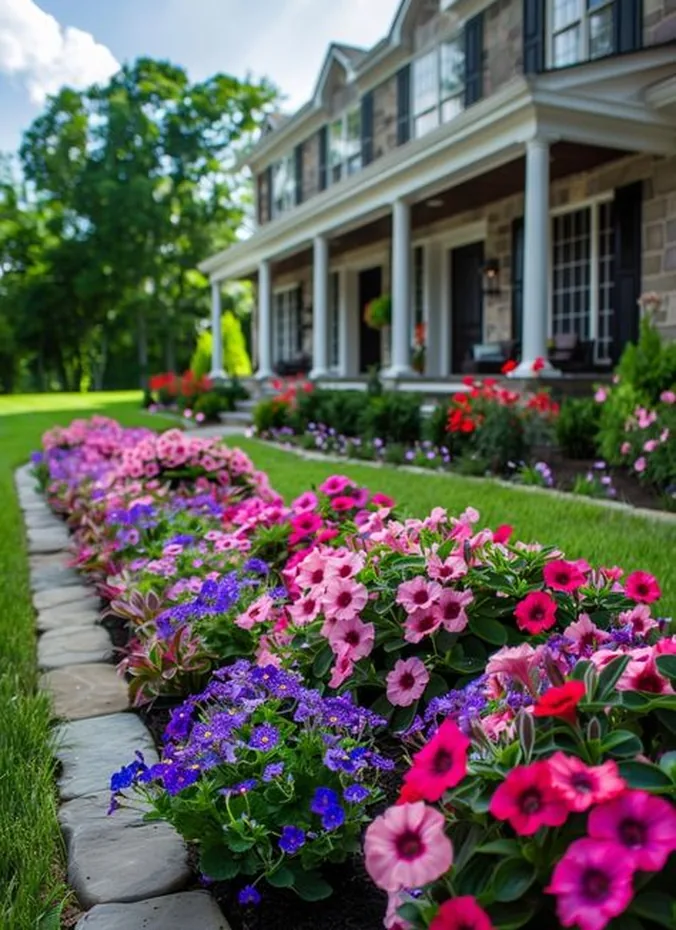
Pull tired plants without guilt. Annuals are rentals, not pets.
20. Rock Garden Bed
Rocks and flowers are a great team. Alpine plants, sedum, and creeping thyme tuck into stone crevices and ask for almost nothing in return.
Set the largest rocks first, burying a third of each so they look natural. Then add soil pockets and plants. A few bags of river rock run 5 to 8 dollars each.

Keep it weeded the first year. After the plants knit together, weeds mostly give up.
21. Solar Lit Bed
A flower bed you can see at night is a bed that works double shifts. A few solar lights turn your best planting into an evening show.
Stick to warm white lights and place them to wash across the plants, not stab straight up. A six pack of path lights runs 20 to 35 dollars and needs no wiring.
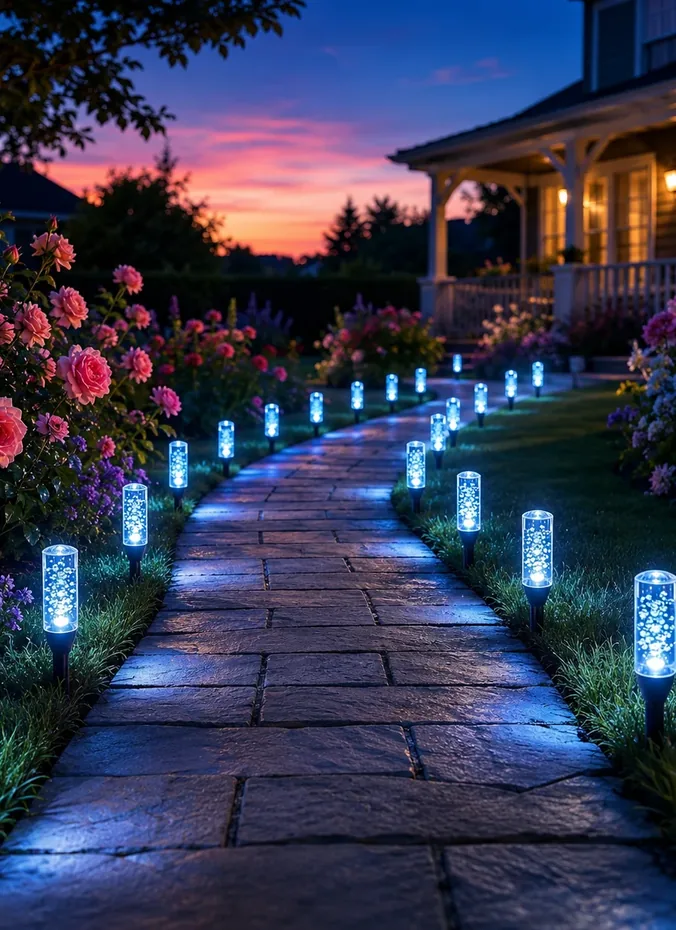
Clean the little solar panels now and then. Dust is the number one reason they go dim.
How to Build Beautiful Flower Beds on a Budget
Great beds do not need great spending:
- Start with the soil: Compost from your own pile is free and does more for plants than any fancy fertilizer.
- Buy small plants: A one gallon perennial costs half as much as a three gallon one and catches up in a single season.
- Shop end of season sales: Garden centers mark down perennials 40 to 60 percent in late summer. Plant them and they come back next year.
- Divide and swap: Split your crowded perennials every few years and trade extras with neighbors. Free plants for everyone.
- Mulch is your best friend: A 5 dollar bag of mulch makes a scrappy bed look finished in twenty minutes.
- Use seeds: A 3 dollar packet of zinnia or cosmos seed fills more bed than a 20 dollar flat of seedlings.
- Borrow height for free: A fallen log, a big rock, or a stump behind the bed adds structure without spending a cent.
Common Mistakes to Avoid With Front of House Flower Beds
A few easy errors can sink a good bed. Dodge these:
- Planting too close to the house: Give plants a foot of breathing room from the wall. Crowded plants trap moisture against the siding.
- Ignoring mature size: That tiny shrub can triple in three years. Read the tag and space for the grown plant, not the cute one in the pot.
- All flowers, no structure: Flowers fade. A few evergreens or grasses keep the bed looking intentional all year.
- Forgetting the hose: New beds need water until roots settle. If the bed is far from a spigot, plan how water gets there before you plant.
- Skimping on the edge: A ragged edge makes the nicest planting look sloppy. Cut a clean line or add edging and the bed instantly looks pro.
Frequently Asked Questions
What are the easiest flowers for a bed in front of the house?
Start with daylilies, black eyed susans, coneflowers, and marigolds. They forgive bad soil, missed waterings, and beginner mistakes. Of all the flower bed ideas in front of house, the simple sun loving perennials are the most forgiving first pick.
How wide should a flower bed in front of the house be?
Three to four feet is the sweet spot for most homes. That gives room for a back row of taller plants and a front row of low ones. Narrower than two feet and plants will spill onto the walk or press against the house.
What should I plant for color all year?
Mix evergreens for winter structure, spring bulbs for early color, summer perennials for the main show, and fall bloomers like asters and mums. Four plant groups, four seasons, one bed that never looks empty.
How do I keep weeds out of my flower beds?
Mulch two inches deep and pull weeds when they are tiny. A sharp hoe on a dry morning takes care of a whole bed in ten minutes. Planting densely also helps, since full beds shade out weed seeds.
How much does it cost to put in flower bed ideas in front of house?
A simple bed can cost 50 to 100 dollars if you do the work yourself and buy small plants. A bigger bed with stone edging and shrubs runs 200 to 400 dollars. Start small, add a little each season, and the cost spreads out painlessly.
Conclusion
A good flower bed does more than look pretty. It frames your home, welcomes your guests, and gives you something lovely to look at every time you pull into the driveway.
Start with one bed and one idea from this list. You can always add more next season, or take on raised garden bed ideas when you are ready for a bigger weekend project.
Happy planting, and do not forget to step back to the curb once you are done. That view is the whole point.